

Sustainable Packaging: How Can It Help Reduce CO₂ Emissions?
Packaging does more than simply protect the product. The material used, size, weight, reusability and the way it is recycled influence resource consumption and the impact of the entire logistics process.
Reducing the amount of material, simplifying the packaging structure and using recycled or recyclable materials can help reduce the carbon footprint associated with packaging. At the same time, better-optimised packaging can take up less space during transport and generate less waste.
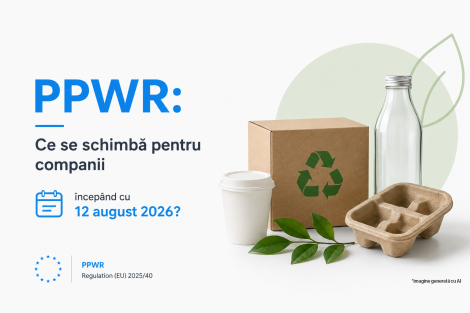
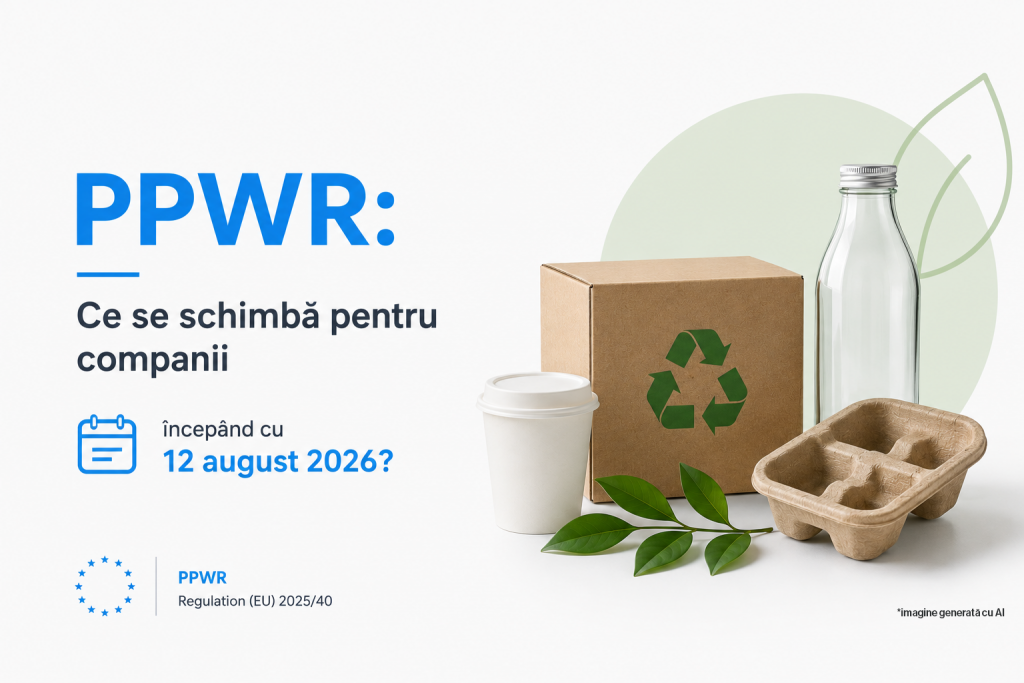
From 12 August 2026, the PPWR does not ask companies to be sustainable in spirit. It requires them to demonstrate that they are, through Declarations of Conformity, technical documentation for each type of packaging and supply-chain traceability.
Companies that cannot produce these documents when requested by authorities or business partners are not exposed morally. They are exposed legally and commercially.
The problem is not that the industry does not want to be sustainable. The problem is that it does not know where or with whom to start.
At INATECH, compliance documentation is available from the very first contact—including under an NDA for customers in the defence sector and industries with strict confidentiality requirements.
REDUCE: fewer resources, the same protection
Oversized packaging means more material, more space occupied during transport and a greater amount of waste at the end of its useful life.
That is why optimisation starts by using the necessary amount of material without compromising product protection.
At INATECH Packaging, we reduce consumption and CO₂ emissions through sustainable packaging solutions and the use of recycled materials, wherever the application allows.
Using less material means less material to recycle or dispose of. This is sustainability that shows up in the P&L, not just in the ESG report.
REUSE: from a single use to multiple usage cycles
Reusable packaging can distribute the impact associated with production across multiple usage cycles and reduce the need for new packaging. The source analysed highlights reuse as one of the important ways to reduce the impact of packaging.
At INATECH Packaging, the packaging we deliver today does not end with its first use. We design it to circulate—in warehouses, during transport and throughout the logistics chain—because good packaging is not the cheapest packaging, but the packaging that works the hardest.
RECYCLE: keeping materials in circulation
Recyclability must be considered from the design stage. Packaging with simpler structures and materials that are easy to separate can facilitate their recovery and recycling after use.
The materials we deliver are FSC®-certified and recyclable. Every batch comes with documentation—full traceability, ready for audit.
Because saying that you are sustainable is one thing. Being able to prove it is another.
INNOVATE: designing to fully meet our customers’ packaging needs
Reducing impact does not mean simply choosing a “green” material. The way the packaging is designed also matters.
Size, weight, number of components and material-use efficiency can influence both the carbon footprint and logistics costs.
That is why we design customised packaging solutions, from prototype to serial production, according to your needs, the product and the actual transport and storage conditions.
OPTIMISE: What does packaging cost optimisation mean at INATECH?
Packaging must be evaluated by more than its purchase price.
The amount of material, time required for packaging, space occupied during transport, non-conformity incidents and product damage can influence the final cost.
By optimising the packaging process, our objective is to reduce the total packaging cost: from raw materials and the time allocated to this process to eliminating potential incidents occurring during transport and reducing the risk of non-conformity.
RESPONSIBILITY: long-term partnership
Because equipment that stops unexpectedly is not merely a breakdown; it is a production problem, a delayed delivery and an unhappy customer.
That is why we have built a partnership model that does not end at the time of purchase: a preventive maintenance programme that identifies wear before it causes a breakdown.
Because packaging equipment is located at the end of the production line, in warehouses and logistics centres, and when it stops, everything stops.
How can INATECH Packaging support you?
Packaging sustainability is not about a single choice, but about optimising the entire usage cycle: we reduce, reuse, recycle, innovate and optimise.
And sustainability in industrial packaging is no longer optional. From 12 August 2026, when the PPWR—the European Packaging and Packaging Waste Regulation—comes into force, companies placing products on the EU market will have specific obligations: documented materials, traceable processes and demonstrated levels of recyclability.
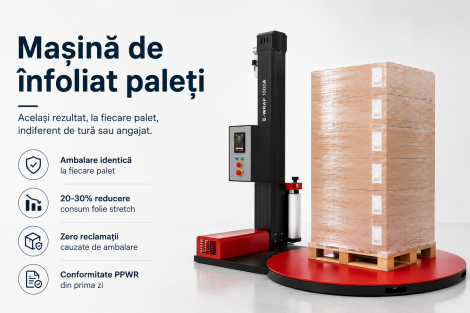
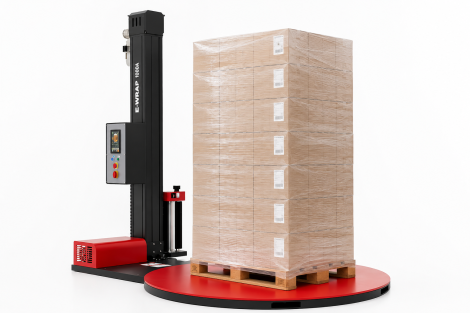
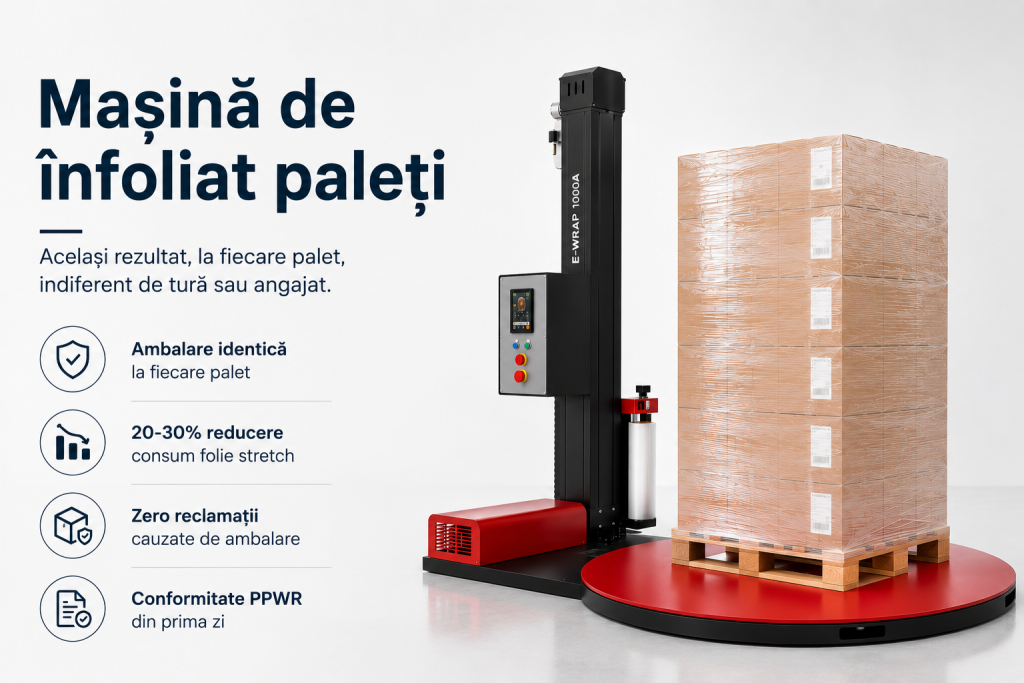
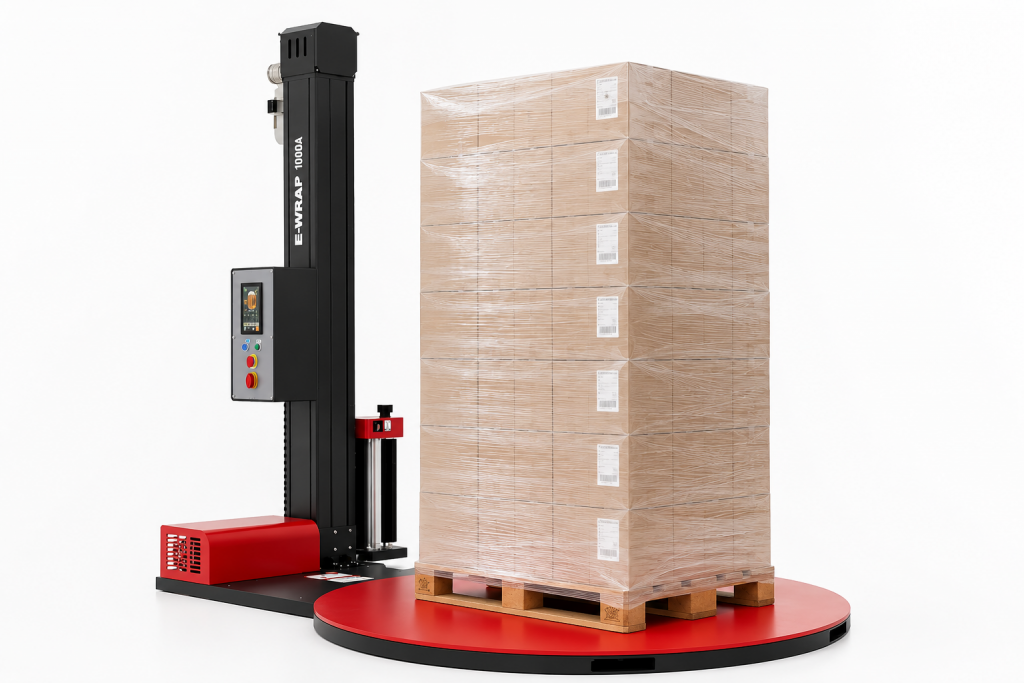
A non-standardised manual process uses 20–30% more material than the actual technical requirement. This means that, regardless of how sustainable the material you purchase is, you waste it before it reaches the pallet.
The first concrete step towards sustainable packaging is not replacing the material—it is standardising the process that consumes it.
We work with companies in industrial manufacturing, distribution, automotive and defence that face three simultaneous challenges: excessively high packaging costs, processes that are difficult to document for audits and the pressure of PPWR compliance.
If sustainable packaging is on your company’s agenda for 2026—whether out of conviction or legislative obligation—we are available for a consultation.
Complete the form and an INATECH specialist will contact you within 24 hours.
Fewer resources. Greater efficiency. Packaging designed for a sustainable cycle.