

Changes to Recyclable Packaging Regulations: What to Expect?
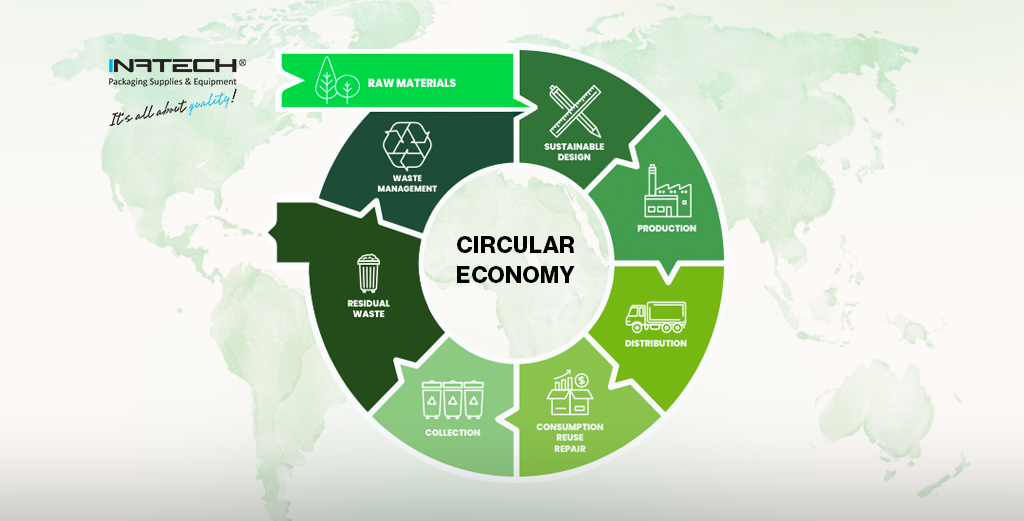
In 2024, new regulations on recyclable packaging were introduced to support the transition to a circular economy and reduce the negative impact on the environment. These changes affect manufacturers, distributors and retailers, imposing stricter standards and new obligations for managing recyclable packaging. Here is what you need to know about these changes and how to comply with the new requirements.
1. Higher recycling targets
More ambitious targets
The new regulations require higher packaging recycling rates, with the aim of reaching more ambitious targets by 2030. For 2024, the target for plastic packaging is at least 50%, while the target for cardboard, wood and paper packaging is 80%.
Producer responsibility
Manufacturers are required to assume extended responsibility for their products, ensuring that their packaging is collected and recycled at the end of its life cycle. This may involve participating in extended producer responsibility (EPR) schemes, as well as investing in recycling infrastructure.
2. New packaging design requirements
Design for recycling
The new regulations promote “design for recycling”, requiring packaging to be designed in a way that facilitates the recycling process. This includes:
- single-material packaging: packaging should, wherever possible, be made from a single type of material to simplify recycling;
- compatible labels and adhesives: the use of labels and adhesives that do not hinder recycling or can be easily removed is required;
- colour and opacity: dark colours and opaque materials can affect the recycling process, so the use of lighter colours and transparent materials is recommended.
Reducing the use of non-recyclable plastic
Non-recyclable or difficult-to-recycle plastic packaging is being discouraged. In 2024, the use of such materials may result in additional charges or even market bans. Switching to recyclable or biodegradable materials that meet the new standards is recommended.
3. Labelling obligations
Clear recycling labels
Packaging must be clearly labelled to indicate the correct recycling methods. Labels must be visible and contain detailed information about the material composition and recycling instructions.
Recycling codes and symbols
The new regulations require the use of standardised recycling symbols and codes to make recyclable materials easier to identify and improve recycling rates. This will help consumers make informed choices and actively contribute to recycling.
4. Reducing single-use packaging
Bans and restrictions
Single-use packaging, particularly plastic packaging, is increasingly subject to restrictions. In 2024, bans on certain types of single-use packaging are being extended, including expanded plastic packaging and packaging that does not contain at least a minimum percentage of recycled material.
Promoting reusable packaging
The transition to reusable and refillable packaging is encouraged. Manufacturers and retailers must provide reusable alternatives and encourage consumers to reduce their use of single-use packaging through incentives and return schemes.
5. Promoting innovation in packaging design for 2025
From 2025 onwards, a major focus will be placed on innovation in packaging design, with the aim of facilitating recycling, reuse and reduced environmental impact. This trend is part of global efforts to transition to a circular economy, in which packaging is not only easier to recycle but is also designed to have an extended life cycle or be made from sustainable and environmentally friendly materials.
Companies will be encouraged to adopt modular designs, meaning packaging that can be easily disassembled so that its components can be recycled separately. This method allows difficult-to-recycle elements to be removed, such as plastic and metal or plastic and paper combinations, which are often difficult to process in standard recycling streams. Instead of being sent to landfill, this packaging can be reused or fully recycled.
Review the packaging you use, implement design-for-recycling practices and ensure that you comply with the new requirements to avoid penalties and actively contribute to environmental protection. Consult a packaging regulations expert and prepare your business for success in the new legislative landscape of 2024!