

The Hidden Costs of Improper Pallet Wrapping
Most discussions about pallet wrapping start with the wrong question: “How much does the film cost?” The right question—the one truly mature operators ask—is different: “What containment force do we achieve—and do we achieve it consistently?” The difference between these two questions separates a warehouse that relies on luck from one that has a process.
At INATECH, we see this every day in automotive, FMCG, distribution and heavy industry operations. And the conclusion is always the same: palletising is not an end-of-line routine, but a technical step that determines whether the goods reach the customer intact.
Wrapping is not about “coverage”, but about securing the load
Wrapping a pallet does not mean covering it with film. It means transforming dozens of separate packages into one stable unit that behaves as a single body during acceleration, braking and vibration. The technical term is containment force: the pressure exerted by the film on the load, keeping it compact throughout transport.
This force depends on three factors that manual wrapping cannot control consistently: film pre-stretch (a high-performance film can stretch by 150-250%, covering more with less material), the number and position of the layers (the base and the upper section require additional wraps), and the applied tension, which must be sufficient to secure the load without deforming the product.
Why inconsistency is a technical problem, not an aesthetic one
A pallet wrapped “by eye” can look good while still having insufficient containment force. The differences are not visible to the naked eye: one layer missing at the base, lower tension at the end of the shift, or a corner left uncovered under time pressure. Each of these reduces stability—and the result only becomes visible at the destination, in the form of a shifted load or a crushed package.
This is the core of the problem: as long as the result depends on who is holding the film, quality will vary. Not because people make mistakes, but because the process does not produce a consistent result on its own. It is a process problem, not a people problem.
How a safe shipment is actually measured
The stability of a unit load is not a matter of opinion—it can be tested. The European standard EUMOS 40509 defines methods for assessing the stability of a palletised load through acceleration tests that simulate real transport conditions. A load that deforms beyond the permitted limits during these tests is, by definition, a risk—regardless of how neat it looks.
For a serious supplier, the benchmark is not “that’s how we have always done it”, but a repeatable and, when necessary, demonstrable result. A standardised process produces the pallet the same way every time, which also means it can be documented—providing a real advantage during supplier audits and in meeting increasingly strict supply chain requirements.
The right cost: price per roll vs. cost per pallet
A common purchasing mistake is comparing films based on the price of the roll. This is a misleading measure. What really matters is the cost per pallet shipped: a thinner film with high pre-stretch may provide better protection while using less material than an inexpensive film applied in excess.
Added to this cost are the hidden expenses that no one budgets for: damaged goods, urgent reshipment, administrative time spent handling complaints and, most costly of all, the customer who does not return after a compromised delivery. The correct analysis is not based on the film invoice, but on the total cost of the operation.
What PPWR brings into the equation
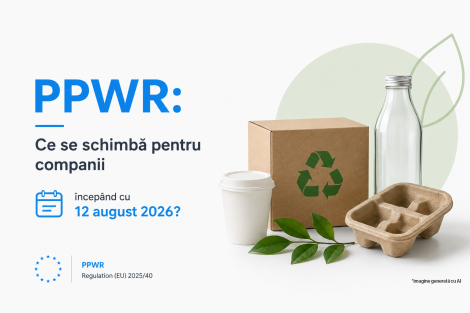
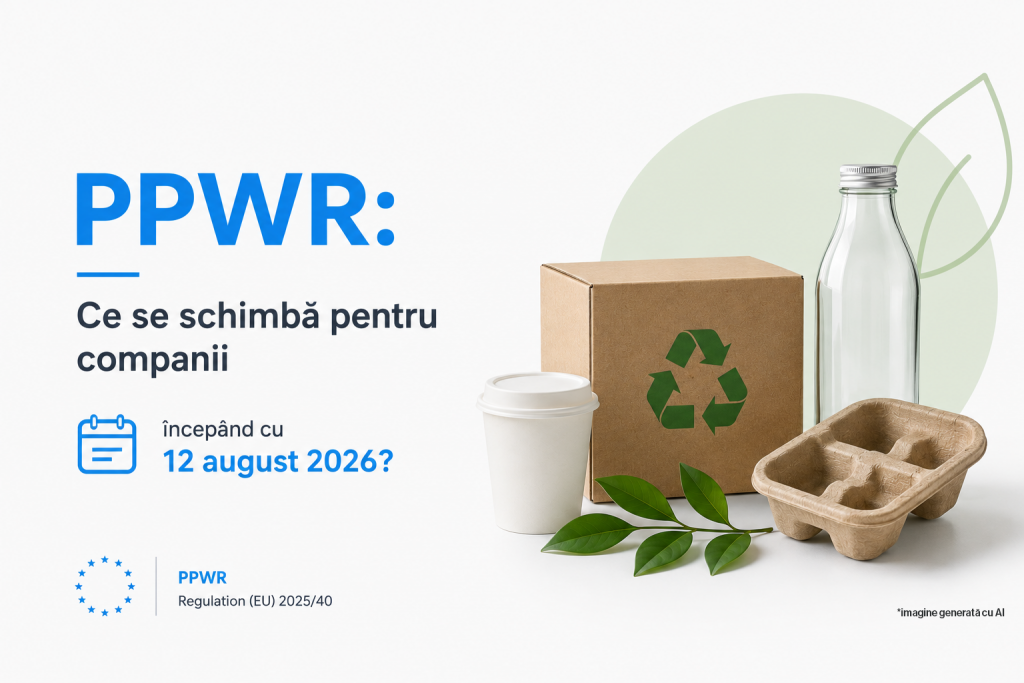
The European Packaging and Packaging Waste Regulation (PPWR) applies from 12 August 2026 and is pushing the entire industry towards more efficient packaging and reduced material use, with minimisation targets coming into force from 2030 and reporting to EPR schemes. This direction favours companies that control their process: less film, used more efficiently, means both lower costs and a stronger position regarding compliance requirements.
How we approach the issue
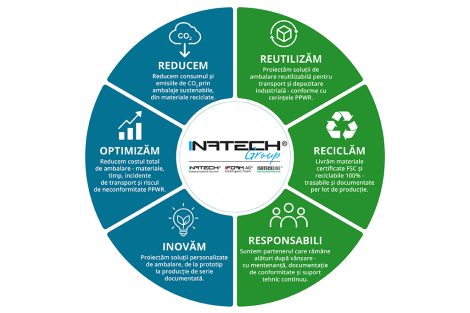
At INATECH, we do not sell film by the roll. We start with the right question—what containment force do you need and how can you achieve it consistently—and build the solution around it: the right film, the right equipment and a reproducible process. As a complete packaging provider and a member of the European PackSynergy network, we bring the experience of hundreds of operations similar to yours into the discussion.
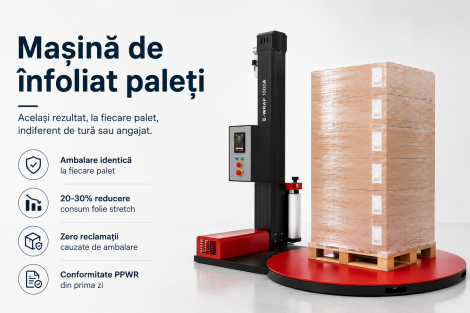
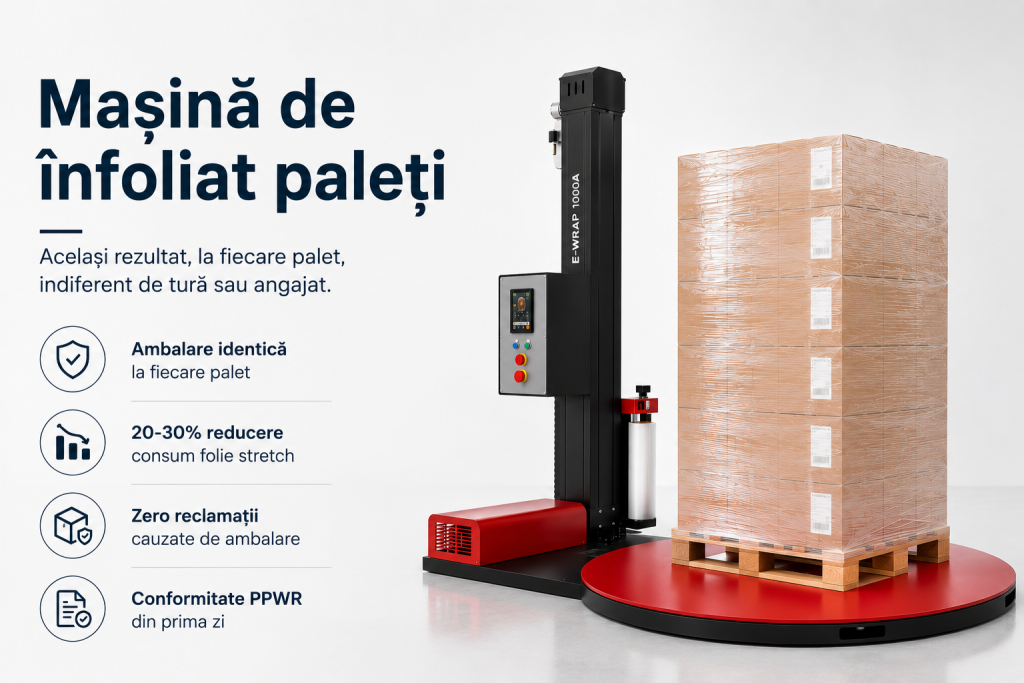
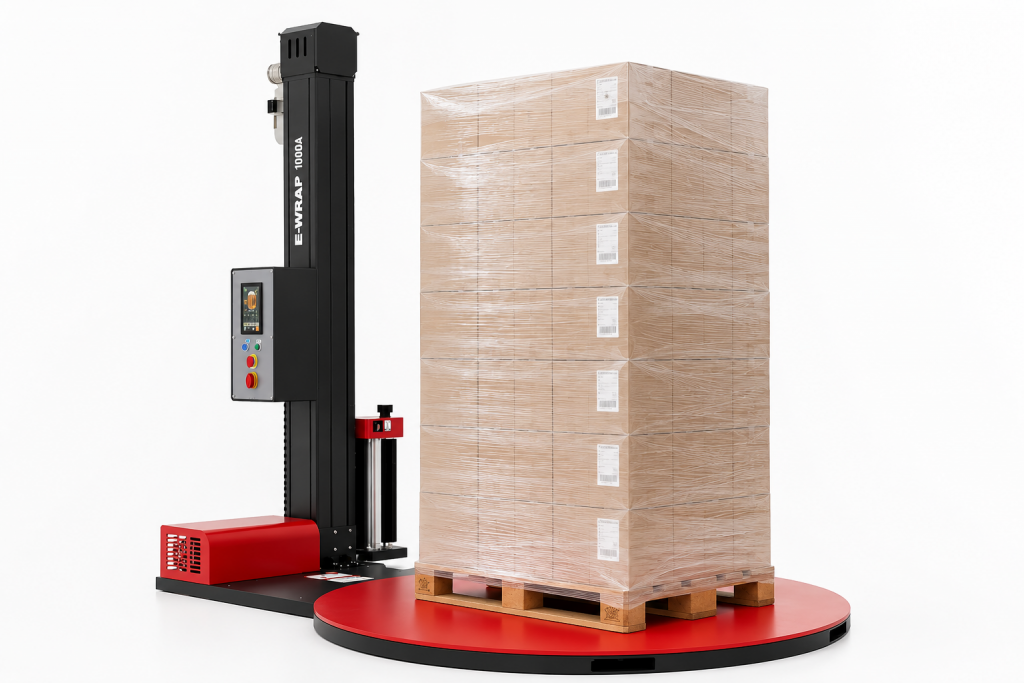
Sometimes the solution is a pallet wrapping machine, which eliminates variability and optimises film consumption. Other times, it is simply a change of film or parameters. The difference lies in the correct diagnosis, not in forcing a product on the customer.
Conclusion
Proper palletising should not be judged by how the pallet looks, but by the containment force it achieves and how consistently it repeats it. This is the difference between hoping the goods arrive intact and knowing they will—on every shipment.
If you want to see where you are losing money and stability in your current process, the first step is an assessment of how you package today. We can do it together.