

Packaging Technology: From Manual to Automated
In a constantly changing world, packaging technology has evolved significantly, moving from simple manual methods to complex automated solutions. This transition has not only optimized packaging processes but has also completely transformed the way companies manage product flows, influencing efficiency, costs and quality.
Manual Packaging
1. The manual process:
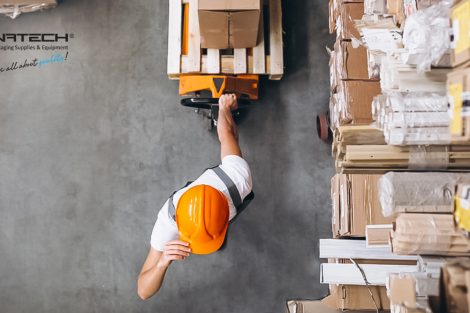
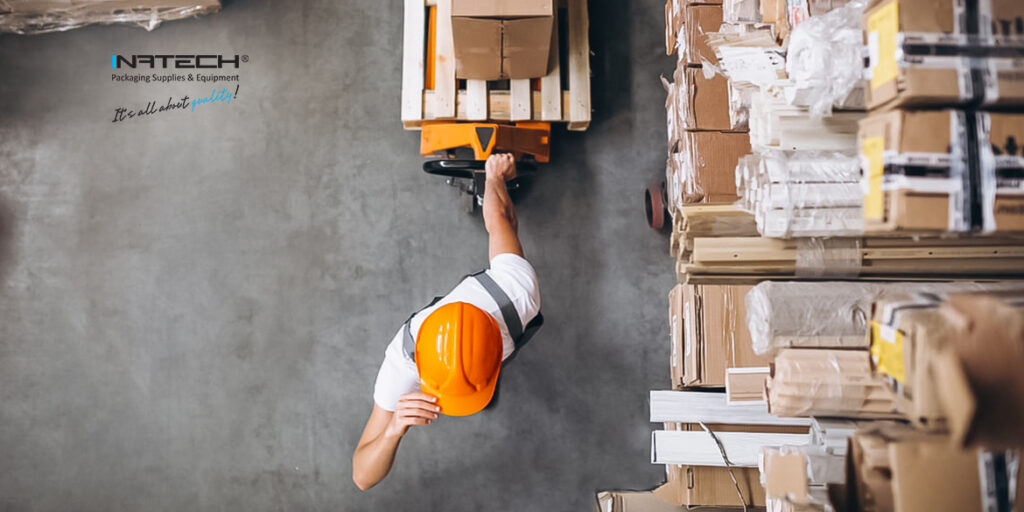
Manual packaging is the traditional packaging method, involving the manual handling of packaging materials and labels. This approach includes the use of adhesive tape, standard cardboard boxes, stretch film and other materials, which are applied directly by employees. Although this method can be flexible and easily adapted to various requirements, it has significant limitations in terms of efficiency and consistency.
2. Advantages:
- flexibility: allows the packaging process to be quickly adjusted for products of different shapes and sizes;
- low initial costs: does not require major investments in specialized equipment.
3. Limitations:
- time and resources: the manual process is time-consuming and requires a dedicated team, which can lead to increased operating costs;
- consistency: each employee may apply cardboard, wood and paper packaging slightly differently, which can affect packaging uniformity;
- limited productivity: manual packaging cannot keep up with high production demands and can lead to human errors and product losses.
Automated Packaging Technology
1. The evolution towards automation:
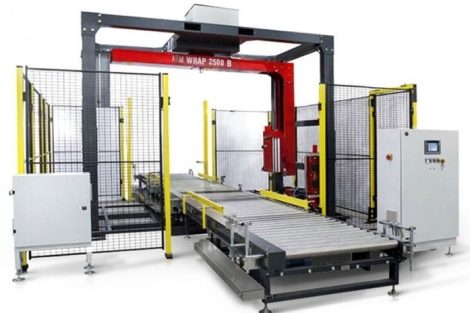
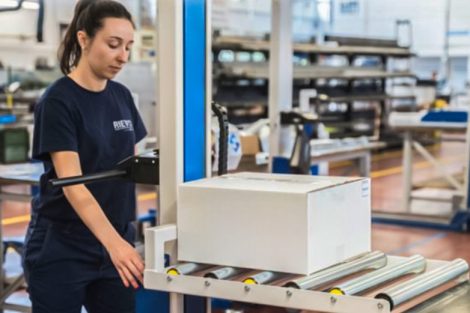
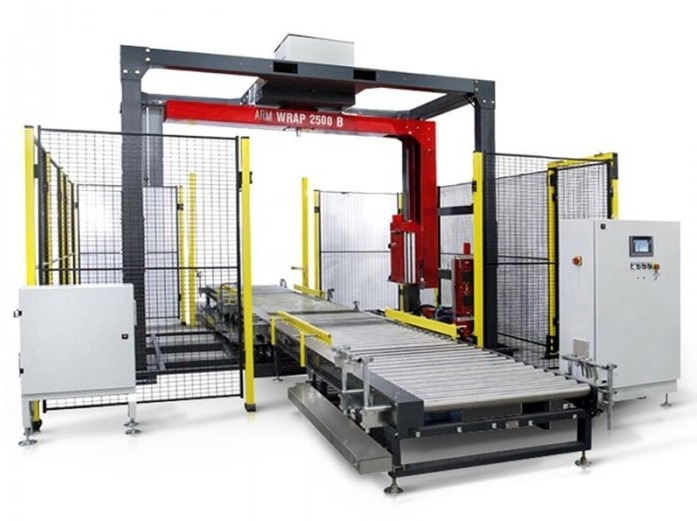
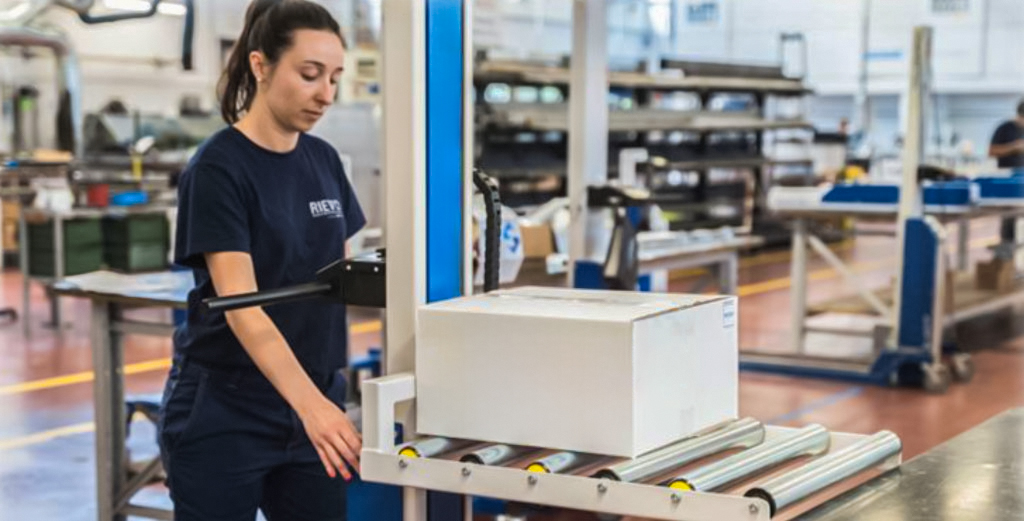
Automated packaging technology emerged as a solution for overcoming the limitations of manual processes. Automation involves the use of electronically controlled equipment and systems that can perform packaging tasks quickly and accurately. This includes filling machines, automatic labelling machines, palletizing machines and fully automated packaging lines.
2. Advantages:
- increased efficiency: automated equipment can process a larger volume of products in less time, reducing packaging time and labour costs;
- consistency and quality: automation ensures a uniform packaging standard, minimizing variations and errors that may occur in manual processes;
- error reduction: automated systems are equipped with error detection and correction technologies, reducing the risk of incorrect packaging and product losses;
- flexibility and scalability: modern systems can be adjusted to accommodate different product sizes and shapes, as well as varying production volumes.
3. Types of automated equipment:
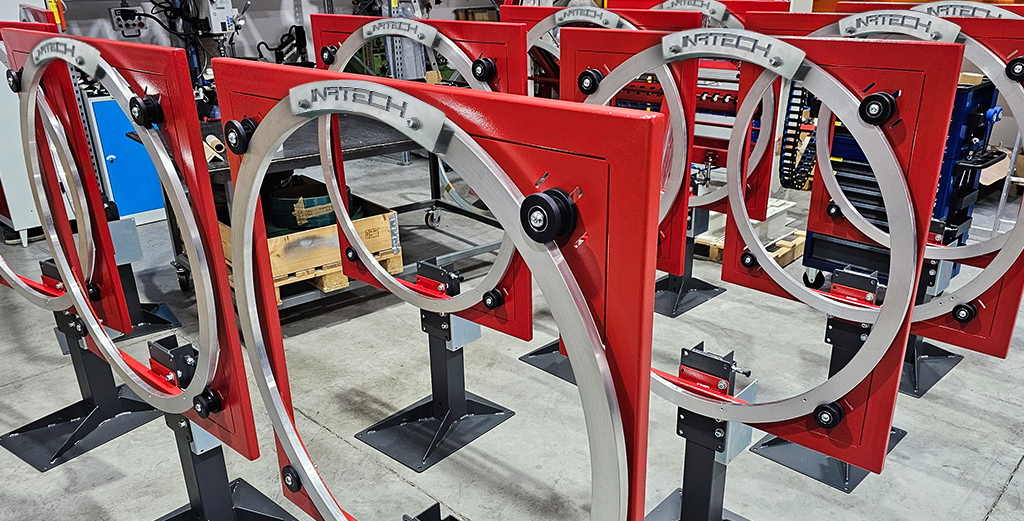
- wrapping machines: used to close boxes and apply packaging seals, ensuring optimal product security;
- labelling machines: apply labels containing product information, barcodes or QR codes, ensuring traceability and regulatory compliance;
- complete packaging lines: integrate multiple functions, including filling, closing, labelling and palletizing, into a single automated system.
4. Limitations:
- high initial costs: investing in automated equipment can be significant, which may be a barrier for small and medium-sized enterprises;
- technical complexity: requires regular maintenance and qualified personnel to operate the equipment and resolve technical issues.
The Impact of the Transition from Manual to Automated Packaging
1. Improved productivity:
Automation has revolutionized industries by considerably increasing productivity. By reducing the time required to package products and eliminating human variations, companies can manage larger production volumes with the same resources.
2. Reduced operating costs:
Although the initial investment in automated equipment can be substantial, the long-term savings are significant. Labour costs are reduced, while errors and product losses are minimized, helping to lower operating costs.
3. Improved security and safety:
Automation reduces the risks associated with the manual handling of products, protecting employees from potential accidents and injuries. Automated systems are designed to operate in controlled environments and minimize direct human contact with hazardous substances.
4. Greater adaptability:
Automated equipment is designed to be flexible and scalable, allowing companies to respond quickly to changes in demand and introduce new products without major production interruptions.
Packaging technology has come a long way, from traditional manual methods to sophisticated automated solutions that are transforming the way products are packaged and distributed. Although manual packaging remains a viable option for some businesses, automation offers a significant competitive advantage in terms of efficiency, consistency and long-term costs. Choose the packaging method that best suits your project!