

How to Properly Dispose of Used Cardboard Boxes
Used cardboard boxes are present in almost every home or commercial space, especially with the rise of online shopping and frequent deliveries. Proper disposal is essential for protecting the environment and ensuring the efficient operation of recycling systems. Cardboard is a valuable, easily recyclable material, but only when it is managed correctly. Find out from INATECH Packaging how to prepare, sort, store and dispose of used cardboard boxes, so that you can actively contribute to reducing waste and adopting a sustainable lifestyle.
Properly disposing of cardboard boxes helps protect the environment
Cardboard is made from cellulose fibres, obtained mainly from wood, which means that recycling it directly helps reduce tree felling. When cardboard boxes are disposed of correctly, they can be transformed into new products using less energy than manufacturing cardboard from virgin raw materials.
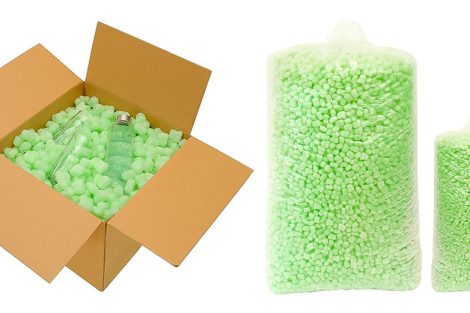
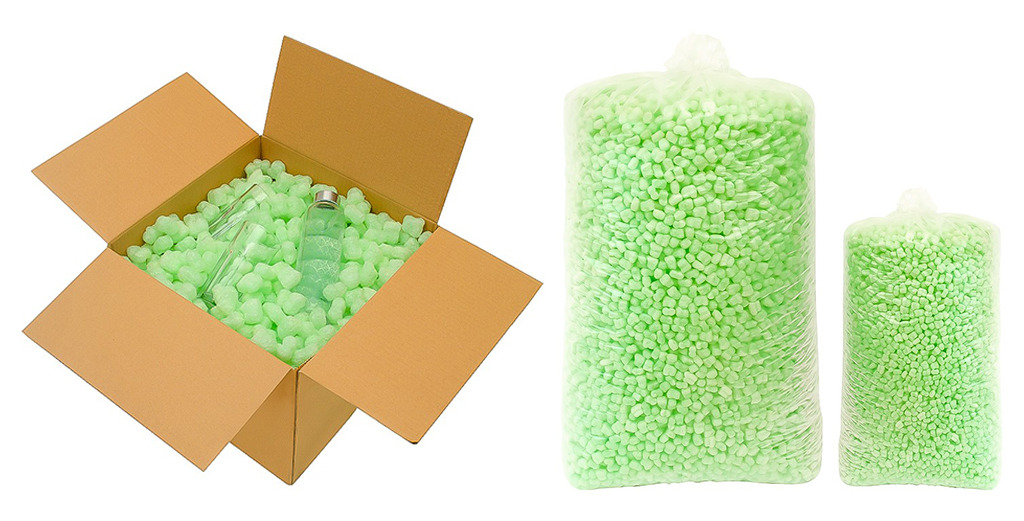
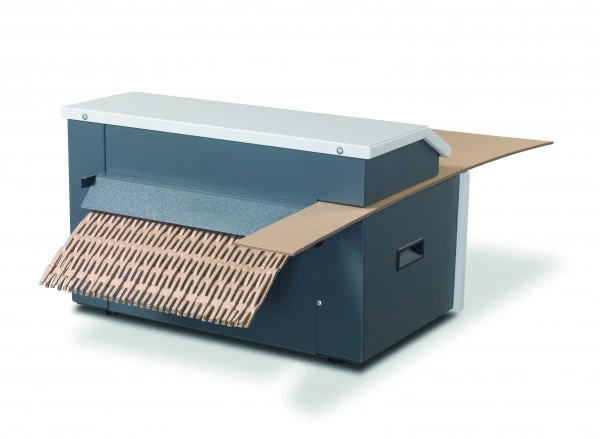
The use of an HSM ProfiPack cardboard shredder is recommended. This system is designed to process cardboard waste resulting from boxes left over from various activities. It transforms the boxes into shock-absorbing material that protects sensitive goods and fragile objects during storage or transport.
Responsible cardboard disposal reduces the amount of waste sent to landfill, where biodegradable materials can produce emissions that are harmful to the environment. Through recycling, cardboard remains in the economic cycle and supports the circular economy.
Properly preparing cardboard boxes is the essential first step
Before disposing of used cardboard packaging, it must be properly prepared so that the material is accepted for recycling and not rejected. The boxes must be completely emptied and cleared of any element that is not made of cardboard. Adhesive tape, plastic film, staples and large labels should be removed wherever possible. The cardboard must also be clean and dry.
Cardboard soiled with grease, oil or food residue cannot be recycled efficiently and can contaminate other recyclable materials in the same container. If a box is only partially soiled, the clean section can be recycled, while the contaminated section should be disposed of separately.
Flattening and properly storing cardboard boxes optimises recycling
Flattening cardboard boxes is a simple but extremely important step. An unflattened box takes up a lot of space and makes collection and transport more difficult. By flattening the cardboard, it becomes more compact, easier to store and more efficient to handle. The boxes should be fully opened, flattened and stacked on top of one another.
Store the boxes in a dry place protected from rain and moisture until collection or delivery for recycling. Properly stored cardboard retains its quality and can be processed more easily by recycling operators.
Separate collection enables efficient cardboard disposal
Separate collection is one of the most accessible ways to dispose of used cardboard boxes. In most localities, cardboard is collected separately or together with paper in dedicated containers. It is important to follow local rules, as they may vary. The cardboard must be clean, dry and flattened.
In some cases, very large boxes must be placed next to the container or taken directly to a collection point. Following separate collection rules contributes to an efficient recycling flow and reduces sorting costs.
Recycling centres are the ideal solution for large quantities of cardboard
When you have a large volume of cardboard boxes, recycling centres are the best option. They are specially designed to receive large quantities of recyclable waste and direct it correctly for processing.
Recycling centres are frequently used by companies, warehouses or people who are moving and are left with a large amount of packaging. Delivering the material directly to these centres ensures that it is managed efficiently and reduces pressure on urban collection systems.
Reusing cardboard extends the material’s lifespan
Before recycling, cardboard can be reused in many ways. Reuse is one of the most effective methods of reducing waste because it eliminates the need for immediate processing.
Cardboard boxes can be used for storage, organisation, protecting fragile items or various creative projects. In commercial environments, cardboard can be reused for secondary packaging or internal transport. Through reuse, you reduce the amount of waste generated and contribute to more responsible consumption.
Avoiding common mistakes improves the recycling process
One of the biggest problems in recycling is material contamination. Dirty, wet or mixed cardboard reduces the efficiency of the entire process. In addition, failing to flatten boxes leads to unnecessary use of container space and may result in collection being refused. Mixing cardboard with household waste is another common mistake that makes recycling impossible.
Choose boxes made from certified cardboard, manufactured from recycled fibres. Requirements in the logistics and manufacturing industries often call for recyclable packaging that complies with European regulations. INATECH Packaging provides certified eco-friendly packaging for shipping and storage.
Methods for disposing of cardboard boxes – recommendations from INATECH Packaging
| Disposal method | Detailed description | Main advantages | Limitations | Recommendations from INATECH Packaging |
|---|---|---|---|---|
| Separate collection | Placing cardboard in dedicated paper containers | Easy to use, accessible | Requires correct sorting | Household use, small quantities |
| Recycling centres | Delivering cardboard directly to specialised collection points | Accept large volumes | Requires transport | Moves, companies, warehouses |
| Reuse | Using cardboard for secondary purposes | Reduces waste, zero cost | Limited use | Storage, packaging |
| Compacting | Flattening and efficient organisation | Space saving | Requires time | Before collection |
| Disposal as waste | Disposal with household waste | Fast | Harms the environment | Only for contaminated cardboard |
Frequently asked questions about cardboard box disposal
Here is how to recycle protective packaging and other types of cardboard packaging:
Can dirty cardboard still be recycled?
Cardboard soiled with grease, oil or food residue is not suitable for recycling. It should be disposed of together with household waste.
Does adhesive tape need to be removed completely?
It is recommended to remove as much adhesive tape and as many labels as possible, as they can affect the recycling process.
Is wet cardboard accepted for recycling?
Wet cardboard should be dried before collection. If it is severely damaged, it may not be recyclable efficiently.
Can large boxes be placed in a container?
Large boxes should be flattened. If they do not fit in the container, they should be taken to a recycling centre.
Can coloured or printed cardboard be recycled?
Yes, most types of printed cardboard can be recycled as long as they are not covered with laminated materials or thick varnishes.
Properly disposing of used cardboard boxes is a simple action with a major impact on the environment. Through proper preparation, flattening, reuse and responsible recycling, cardboard can be reintegrated into the economic cycle without becoming unnecessary waste. Keep up to date with regulations on recyclable packaging, as legislative changes influence how you manage waste and storage costs.
If you want to optimise the disposal, recycling or management of cardboard boxes in your company, request advice from INATECH Packaging. The company provides certified solutions, packaging that can be easily adapted to requirements and up-to-date information about packaging management. Find out from our specialists the latest details and personalised recommendations on reuse, recycling or the correct choice of materials.