

Types of Protective Packaging
Today, most of us have received or sent parcels containing products and have had to package them to protect them during transport or storage. This ensures that the recipient receives the product in perfect condition. For this purpose, we use protective packaging. Here are some of the most commonly used types of packaging for protecting products:
1. PROTECTIVE POLYSTYRENE PACKING PEANUTS
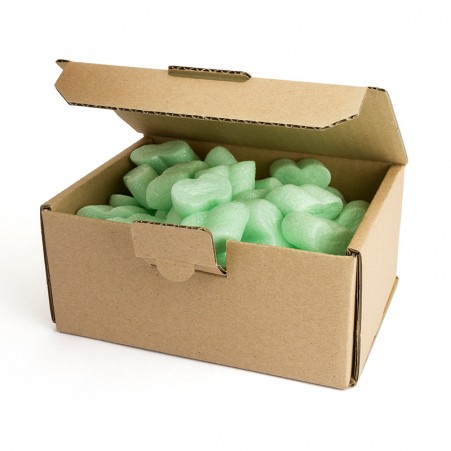
Polystyrene packing peanuts, also known as foam peanuts, resemble peanuts in their shells. They protect products by filling the empty space inside the box, keeping the product safe from knocks and scratches. They serve as a filling material to protect fragile items while providing cushioning.
Biodegradable packing peanuts protect products more effectively, increase packing efficiency and reduce shipping costs. During transport, they secure the goods inside the packaging more effectively and reduce damage caused during transit.
2. PROTECTIVE FOAM TUBE
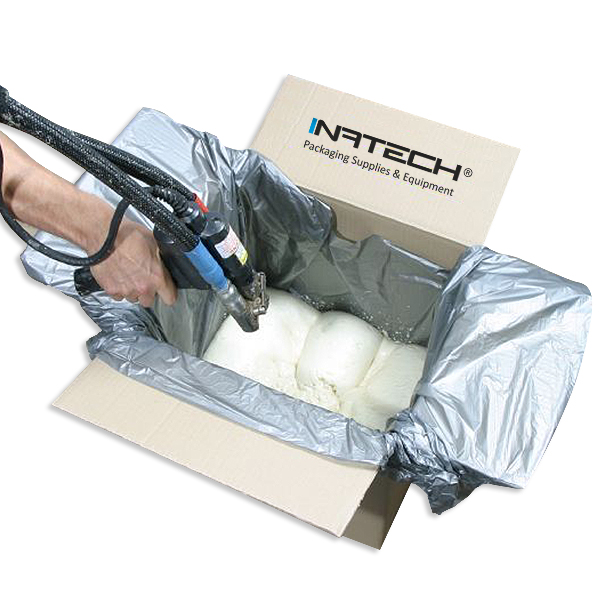
These economical foam systems are versatile and easy to use. They have CE approval, fully electric operation, and are safe and reliable, making them ideal for small packaging operations. The electric dosing pumps and self-diagnostic control guarantee superior foam quality.
Foam packaging protects products of any shape, size and weight during transport, storage and handling. Within seconds, the foam expands and forms a protective cushion that takes the shape of the product inside the box.
3. BUBBLE WRAP
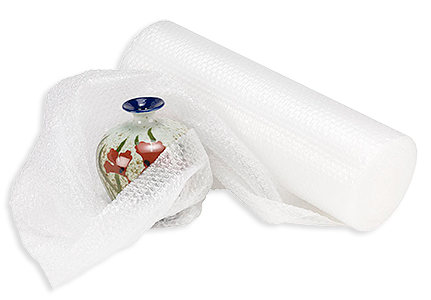
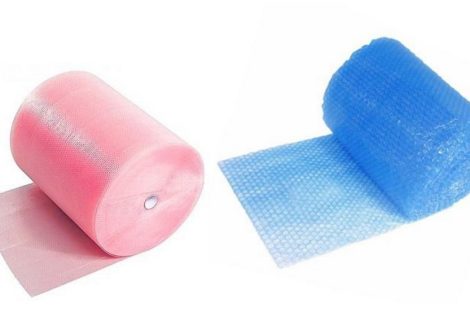
Bubble wrap and bubble bags are widely used as protective packaging. Bubble wrap can take several forms. Here are a few other things you should know about it:
– It is also available in roll form;
– Bubble wrap bags and envelopes may have an adhesive strip for sealing;
– They offer the dual benefit of protection and packaging;
– A significant amount of energy and pressure is required to burst all the air bubbles during transport.
4. FOAM PACKAGING
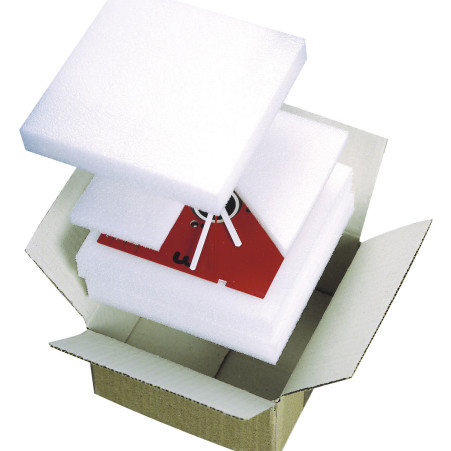
Foam packaging represents a broad category of protective packaging. It includes a wide variety of products that can be moulded and cut into any shape most suitable for a particular item. When products are packed in foam packaging materials, they are better protected against accidents. Unlike packing peanuts, packaging foam tends to be denser and has a much larger size. Here are some useful things to know:
– There is no fixed shape for foam packaging;
– Popular types include sheets, sponge rolls, foam rolls and boxes;
– Foam packaging comes in many varieties, so there is rarely a standard material;
– It can be wrapped individually according to preference or together with a particular item;
– This type of protection is measured by firmness;
– It can be customised to provide the level of protection required for a particular product.
5. PAPER PACKAGING
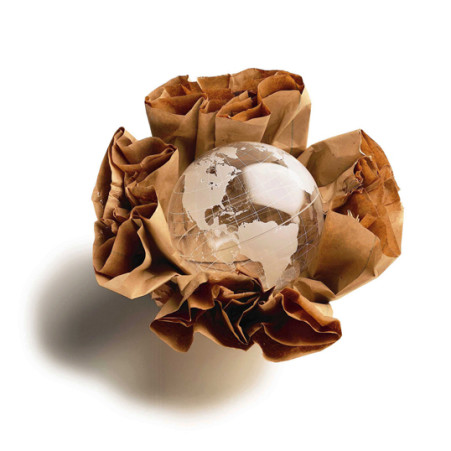
Packaging paper is a specialised paper used as a protective packaging method. It is much denser and more robust than the standard paper used for writing and may take the form of butcher paper, kraft paper and other types. It is normally available in rolls. Here is more information about packaging paper:
– Kraft paper and butcher paper are two subtypes;
– It was initially created for storing meat and fish;
– It is now used to protect a variety of packaged products;
– Packaging paper must be secured with adhesive tape to keep it in position;
– When packing silverware and porcelain, it should be wrapped generously to prevent any damage;
– When used in large volumes, adhesives become optional.
PROTECT YOUR PRODUCTS!
During storage, handling and transport, protective packaging is essential. There is no universal type of packaging that can be used across the entire range of products, and the five main types of packaging materials listed above cover most applications. Using the correct and appropriate protective packaging is crucial and can make the difference between safe transport that keeps the product intact and transport in which the product is damaged.
At INATECH, you will find the full range of protective packaging, with fast delivery from stock at competitive prices!