

Logistics Checklist: How to Choose the Right Cardboard Pallets for Domestic and International Deliveries
If you regularly ship goods domestically or for export, choosing the right pallet directly affects transport costs, product safety and the efficiency of warehouse operations. In recent years, cardboard pallets have become an increasingly popular alternative in eCommerce, manufacturing and distribution, thanks to their low weight and the fact that they do not require phytosanitary treatment for export.
Compared with traditional wooden pallets, cardboard pallets are lighter, easier to handle and better suited to fast logistics flows. At the same time, they can reduce transport costs, especially for air freight or one-way logistics projects where the pallet is not recovered after delivery. INATECH Packaging helps you choose the right cardboard pallets for domestic and international deliveries, helping you avoid logistics issues or product damage.
Understand the role of cardboard pallets in modern logistics
Cardboard pallets are made from multi-layer corrugated cardboard or honeycomb structures. These materials are designed to provide good compression strength in relation to their weight.
In most cases, a cardboard pallet weighs three to four times less than a wooden pallet. This advantage is particularly important in air freight or international deliveries, where costs are calculated based on weight.
Cardboard pallets are particularly suitable for transporting light or medium-weight products such as electronics, textiles, plastic components, automotive parts or products packaged for retail. They are also preferred in industries where hygiene is important, such as the pharmaceutical or food industries.
Key advantages include low weight, easy handling and the fact that they do not require ISPM 15 treatment for export. In addition, they are 100% recyclable and available in FSC-certified versions. However, one important limitation must also be considered: greater sensitivity to prolonged moisture compared with industrial wooden pallets.
Check pallet size and logistics compatibility
Pallet size must be selected according to the type of goods and the logistics infrastructure used. The most common formats are 1200 x 800 mm, compatible with the Euro pallet, 1200 x 1000 mm for industrial applications and 800 x 600 mm for retail or deliveries where space is limited.
It is important to check compatibility with warehouse racking, door widths, truck dimensions and the requirements of shipping containers. Goods must not extend beyond the pallet edges, as this reduces stability and increases the risk of damage during handling with a forklift or pallet truck. For products with unusual dimensions, cardboard pallets can be customised according to the weight and shape of the load.
Calculate the pallet’s actual load capacity
An essential criterion for proper palletisation is load capacity. This must be assessed from the perspective of both static and dynamic loads. Static weight refers to the load the pallet can support when stored without movement. Dynamic weight refers to the load supported during transport and handling.
For example, a pallet may support approximately 800 kg statically, but only 400–500 kg under dynamic conditions. Mechanical shocks occur during handling with a forklift or pallet truck and must be taken into account. Weight must be distributed evenly across the entire pallet surface—concentrating heavy products in one corner can deform the structure.
Apply correct stacking methods for load stability
The way boxes are arranged on a pallet directly affects the strength and stability of the load. Column stacking involves placing boxes corner to corner. This method provides good compression strength and is suitable for identical boxes. INATECH Packaging offers a wide range of accessories for pallet stabilisation, protection and securing.
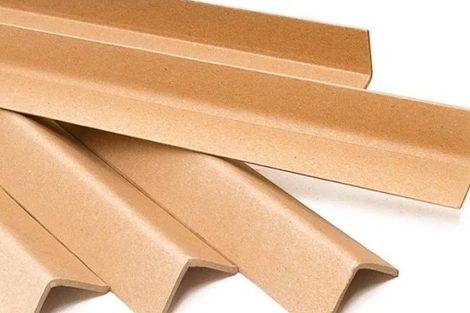
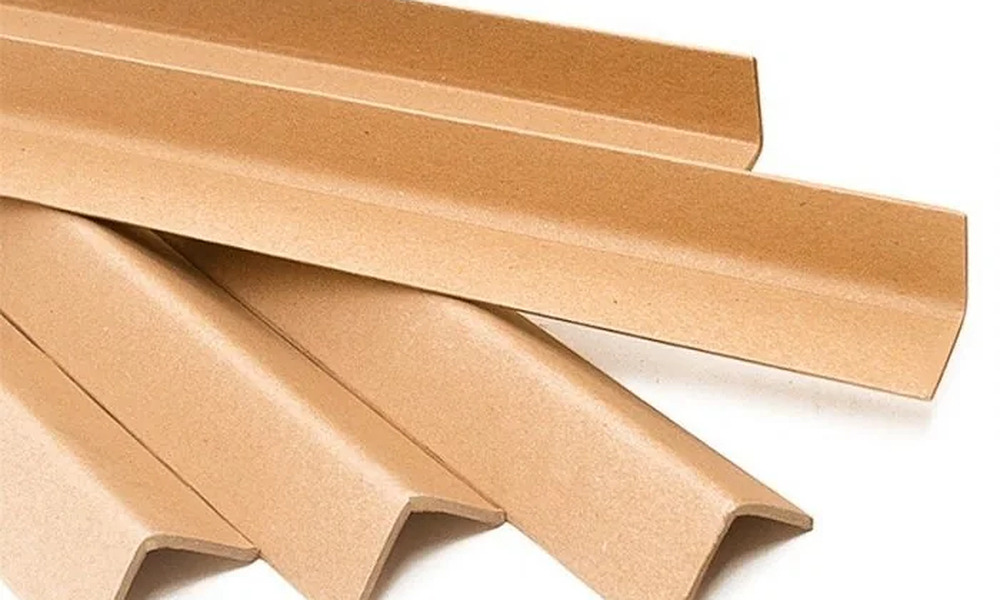
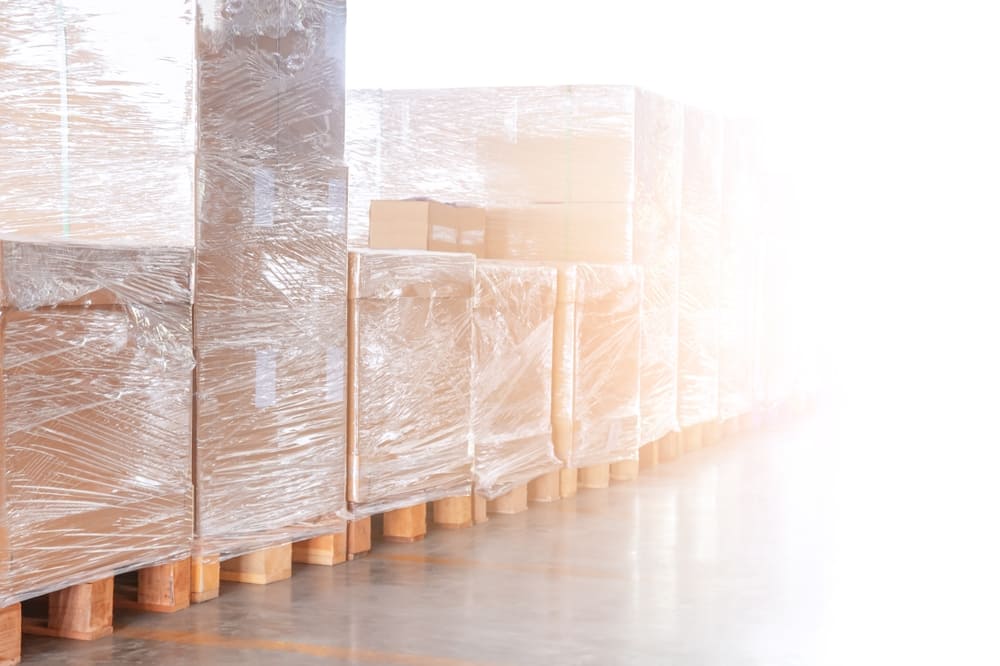
Interlocking stacking alternates the position of the boxes and improves the lateral stability of the load. It is a useful method when the packaging has good strength. Pyramid stacking should be avoided because it reduces the contact surface and destabilises the pallet. Stretch film is used to secure the goods, applied from the base to the top. For heavy loads, strapping or cardboard corner protectors can also be used for additional protection.
Protect goods against moisture and external factors
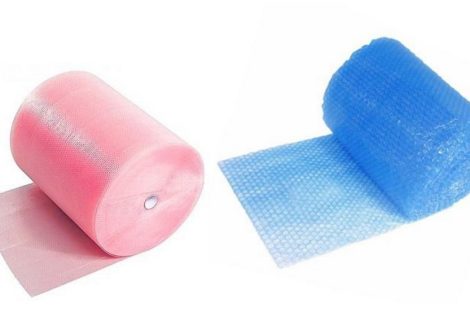
Cardboard performs very well in dry, ventilated spaces, but additional protection is required under certain transport conditions. For sea freight or storage in areas with high humidity, waterproof stretch film, polyethylene covers or absorbent interlayers can be used.
If products are sensitive to temperature, thermal insulation packaging can be used. INATECH Packaging supplies such solutions for industries such as pharmaceuticals and food, where temperature control is essential. Consider the advantages of cardboard pallets for domestic and international deliveries to organise your company’s operations efficiently throughout the entire supply chain.
Apply the correct labelling for transport and logistics
Prepare pallets for international transport by applying the correct labels in accordance with logistics standards and procedures. Labels must be applied to at least two sides of the pallet so they remain visible during handling. It is important that barcodes remain visible and are not covered by opaque film. The label must include the sender’s and recipient’s complete details, gross and net weight, transport codes and, where applicable, the customs code. Special markings such as “fragile”, “this way up” or “protect from moisture” help logistics operators handle the load correctly.
Adapt the palletisation solution for domestic deliveries and exports
For domestic deliveries, the main objective is to optimise the cost per trip and reduce handling time. Cardboard pallets are advantageous because they are lightweight and easy to load and unload.
For exports, a major advantage is the elimination of the ISPM 15 phytosanitary treatment requirement. Cardboard pallets simplify documentation and reduce shipment preparation time. However, it is important to check the destination country’s requirements and any restrictions imposed by the carrier.
Avoid common mistakes when using cardboard pallets
The most common errors occur when dynamic weight is underestimated or when fragile products are combined with very heavy products on the same pallet. In addition, the lack of stability testing for large orders can cause problems during transport. Storing pallets in areas with high humidity for extended periods can reduce the strength of the structure. For consistent results, it is recommended to test logistics configurations before implementing them on a large scale.
Frequently asked questions (FAQ) about cardboard pallets for domestic and international deliveries
Can cardboard pallets be customised for unusual dimensions?
Yes, cardboard pallets can be customised according to the size, shape and weight of the products being transported. Structures adapted to logistics requirements and warehouses can be produced for both industrial customers and smaller businesses, depending on volume and requirements.
Are cardboard pallets suitable for heavy products?
Yes, within the load capacity specified by the manufacturer. Industrial models can support several hundred kilograms under dynamic conditions and even more under static conditions. For very heavy loads, a technical assessment is recommended to select the appropriate structure.
Under what conditions can I store goods on cardboard pallets?
Cardboard pallets must be stored in dry, well-ventilated spaces protected from direct moisture. Under controlled conditions, they can retain their structural properties for several months.
Can cardboard pallets be used for international transport?
Yes, cardboard pallets are suitable for international transport because they do not require phytosanitary treatment under ISPM 15, which applies to wooden pallets. This simplifies export documentation.
How can I protect goods against moisture when using cardboard pallets?
For additional protection against moisture, waterproof stretch film, polyethylene covers or absorbent interlayers can be used. For temperature-sensitive products, thermal insulation packaging can also be used.
Cardboard pallets are a modern and efficient solution for transporting and storing goods across numerous industries. Their low weight, easy handling and elimination of phytosanitary treatment for export make this type of pallet a practical alternative for many logistics flows.
Choosing the right size, load capacity and stacking method helps reduce transport costs and increase product safety during delivery. Do you want to choose the right cardboard pallets and optimise your company’s logistics process? Contact the INATECH Packaging specialists and discover the complete range of packaging solutions available for manufacturing, eCommerce and distribution.