

10 Packing Tips for Transport
Moving is an overwhelming experience for both businesses and individuals. It is time-consuming and can be costly if it is not done correctly. Maximize your time and minimize stress with these 10 packing tips for a smooth move.
1. Start early
Many people seriously underestimate the time required for packing. Do not wait until the last minute. Start packing frequently used items as soon as possible. Then, as you make progress, you can move on to other everyday essentials. Keep in mind that when relocating a business, you will need to pack not only the physical office or retail space, but also any storage areas.
2. Plan everything in advance
Packing and planning are lengthy processes, but the actual move will probably take place over just a few days. With a well-established schedule, you will need to plan well in advance to hire a team and rent a truck. Request price quotes from every company operating in your area before making a decision. Once you know which company you want to handle your move, make the booking at least two months in advance to avoid a last-minute move.
3. Gather supplies
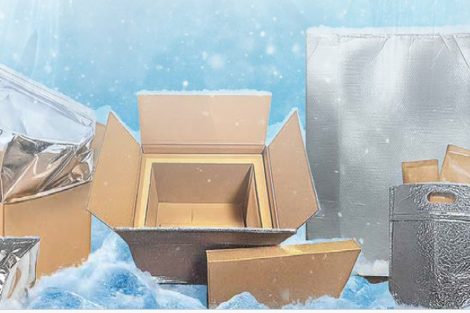
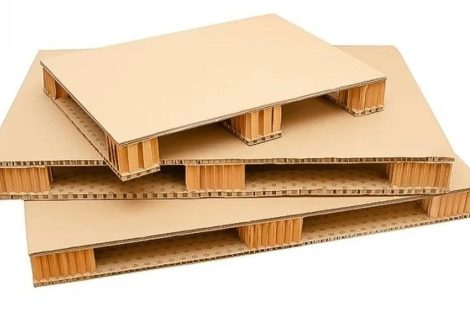
Before you start packing, you will need plenty of cardboard boxes. Buy them from us, reuse old product or office boxes, or collect them from local businesses such as university stores. However, make sure you have a variety of box sizes so you can pack everything from the largest to the smallest items. After boxes, protective packaging materials should be next on your list. You will also need adhesive tape, scissors, bubble wrap, polyethylene film, protective packing peanuts, and adhesive labels to seal and label each box.
4. Pack one room at a time in an organized manner
Stay organized while packing by completing each room before moving on to the next. This way, you will be able to move products from one room to another easily. Once a room is finished, use it to store the packed boxes. This will keep the right items together during the move and make unpacking in the new space easier.
5. Keep weight distribution in mind
The way you choose to pack each box can help or hinder the move. Keep your belongings organized. Try to keep all packed boxes under 50kg. If a box is very heavy, consider redistributing the items inside it or removing some heavy items in favor of lighter ones. Make sure you pack the heavier items at the bottom of each box first, then add the lighter ones. Large boxes require more filler material, and the weight can increase quickly.
6. Fill boxes safely
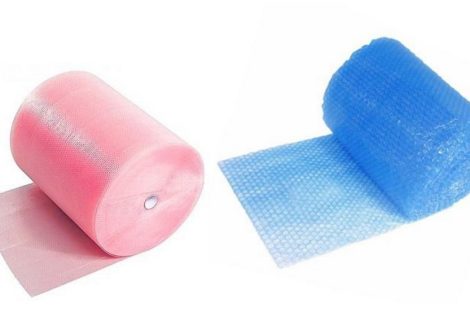
Once the boxes are packed, you will need plenty of protective material to keep your belongings safe. This may include bubble wrap, polystyrene protective peanuts, crumpled paper, expanded polyethylene film, and adhesive tape. Bubble wrap is excellent for filling extra space in boxes without adding weight, while protecting belongings by keeping them in place and absorbing shocks. Air cushions can be reused or recycled!
7. Check the bottom of the boxes
Check full boxes to make sure they are sturdy and will not break when lifted. Add an extra layer of packing tape or replace the box entirely if you are unsure about its strength.
8. Label and number each box
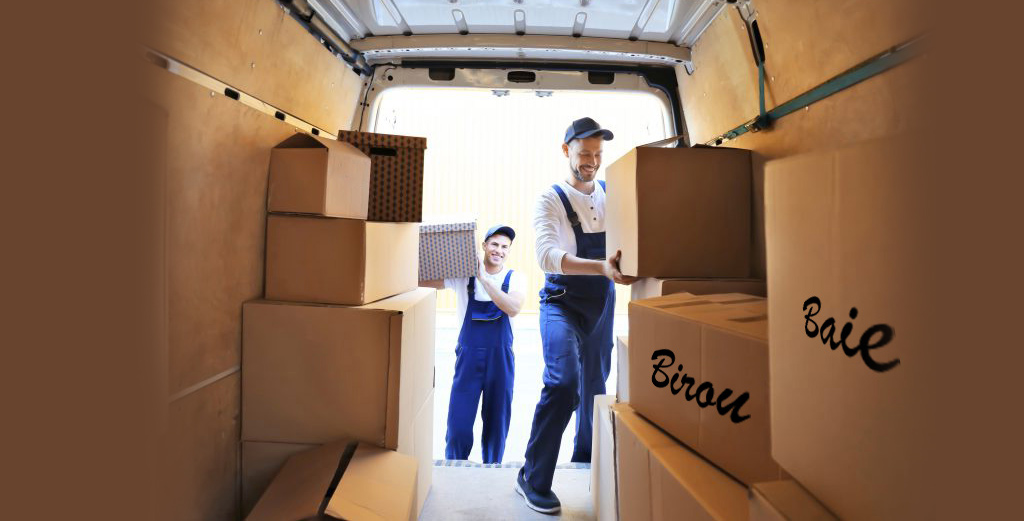
Even the most organized person cannot keep track of every individual box. Make your move much easier by labeling each box. Mark the labels so they are easy to see. Keep a record of each box number and a quick list of its contents. This way, if you need to unpack something before or immediately after the move, you will find what you need more quickly, even if the boxes are stacked.
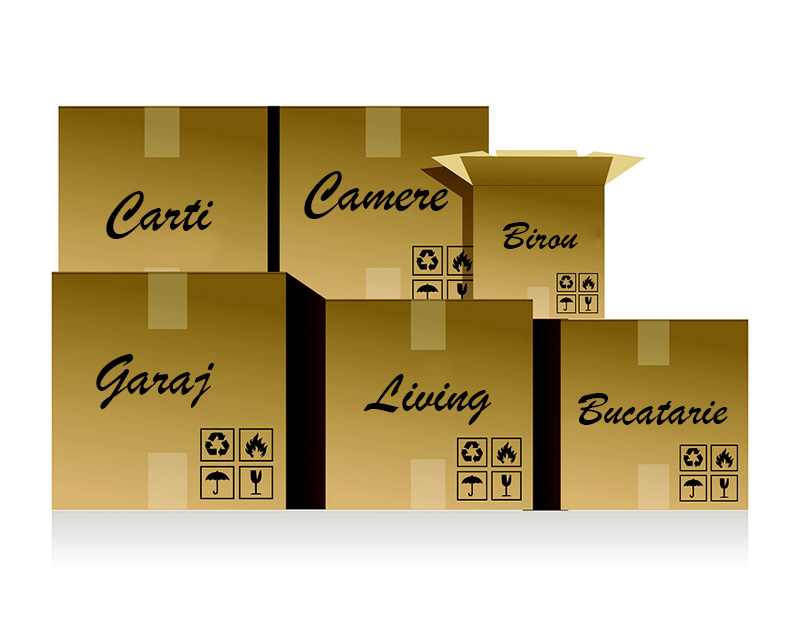
Once the move is complete, you will be sure that everything is in the right place and that no boxes or belongings are missing. However, if a box is missing, your record will be very useful when filing a claim to replace what was inside.
9. Donate what you no longer need
Moving into a new space is the perfect time to do some general decluttering. You can donate old phones, furniture, clothes, and office items you no longer need, so they will not take up unnecessary space at the new location. Save money by moving fewer items.
10. Pack electronic products safely
Packing electronic products correctly is very important to ensure that these often expensive items remain safe and in good working order. Start by removing all cables. Place the cables in transparent bags and label them with the device they belong to. Cables should be removed to prevent damage or loss. Monitors and televisions should be individually wrapped in thick blankets or bubble wrap bags. Never place monitors or flat screens in boxes. When packing computers, do not stack them or place other items on top of them. Like computers, printers are sensitive devices. Remove the cartridges and covers from the printer. Make sure you follow the specific instructions for moving fax machines, copiers, and printers. Improperly moving and damaging these devices will void the warranty.
Do not forget about your data! The best way to protect your digital data is to purchase an external hard drive or use an online cloud storage service to back up all computers before moving them.