

6 things to know before buying a packaging machine
Buying a packaging machine is an important investment for any business that manufactures, processes or distributes products. Choosing the right equipment directly influences packaging efficiency, operating costs, production speed and even product protection during transport or storage. In industries such as retail, logistics, manufacturing or food production, correct packaging helps maintain product quality and optimise operational workflows.
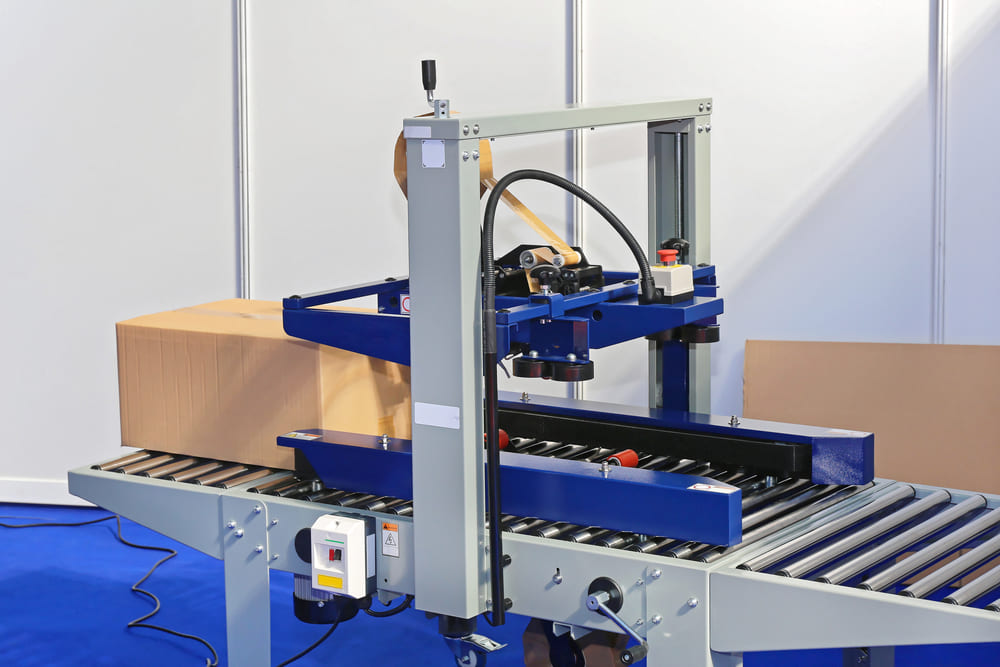
The market offers numerous types of packaging machines, from simple equipment for wrapping products in film to complex automated lines that form, fill and seal packaging in a single process. These machines are used to package a wide range of products, from food and pharmaceutical products to electronics and industrial goods.
To avoid making an unsuitable investment, it is essential to analyse several technical and operational criteria before making a decision. Find out from INATECH Packaging how to choose the best product packaging systems to meet your company’s operational needs:
The type of product determines the type of packaging machine
The first thing to clarify before making a purchase is the type of products to be packaged. Product characteristics directly influence the packaging technology required.
The product’s size, shape, weight and fragility are essential factors. For example, some machines are designed for solid or individual products, while others are used for liquids, powders or granulated products. There is specialised equipment for packaging food, pharmaceutical products and industrial goods.
Products may also require different packaging types:
- individual packaging;
- multipack packaging;
- box packaging;
- shrink film packaging.
For example, a shrink-wrapping machine uses heat to shrink plastic film around the product, protecting it from dust, moisture and improper handling. If the product type is not analysed correctly from the outset, there is a risk that the machine purchased will not package the products efficiently or will require costly modifications.
Production volume influences the level of automation
Another essential factor is production volume and the required packaging speed. Packaging machines are designed for different production levels:
- low or medium production;
- continuous-flow industrial production;
- fully automated lines.
Some equipment is suitable for manual or semi-automatic operation for companies with lower volumes. By contrast, automated lines are designed for high production volumes and can integrate several operations into a single warehouse workflow (packaging formation, filling, sealing and labelling). It is important to choose a machine that can support your current production volume while also providing spare capacity for future business growth.
Compatibility with packaging materials is essential
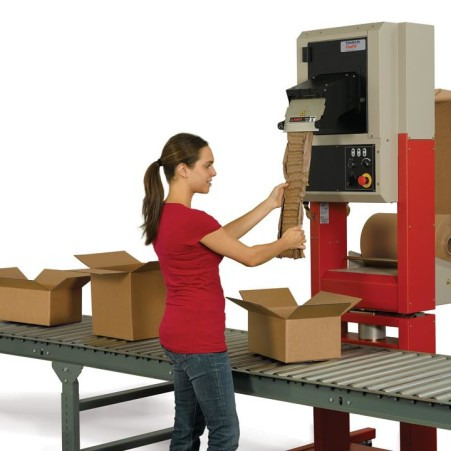
Not all packaging machines work with the same materials. That is why it is important to check the compatibility between the equipment and the type of packaging used.
The most common materials include:
- shrink film (PVC, polyolefin or polyethylene);
- cardboard;
- flexible bags;
- laminated films.
Shrink films are widely used because they provide a tight fit around the packaging and protect products from contamination and moisture. Some machines can work with different film thicknesses and types, while others are optimised only for specific materials. The wrong choice can lead to packaging defects, higher material consumption or additional costs.
Machine size and integration into the production line matter
A packaging machine does not usually operate in isolation. In many cases, it is part of a more complex production line. A complete packaging system may include:
- filling machines;
- sealing machines;
- labelling equipment;
- internal transport systems.
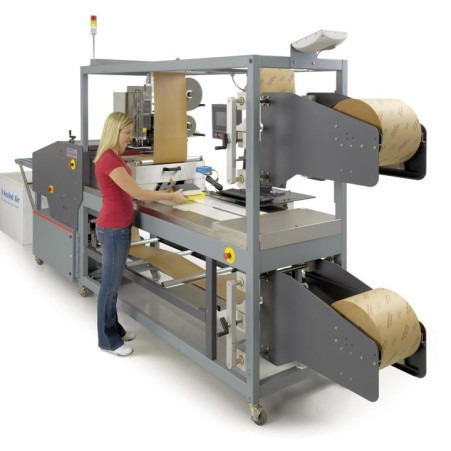
For this reason, it is important to check the equipment’s dimensions and how it can be integrated into the existing workflow. The machine must fit both physically and in terms of operating speed with the other equipment in the line. Other aspects must also be assessed, such as maintenance access, space for operators and the required electrical or pneumatic connections.
Ease of operation and maintenance reduce long-term costs
A high-performance machine is not only about high packaging speed. Ease of use and maintenance are equally important. Modern equipment often includes:
- intuitive operator interfaces;
- automatic adjustment systems;
- easy access to internal components.
These features reduce downtime and simplify maintenance operations. The availability of spare parts and technical support is also an important criterion for ensuring uninterrupted equipment operation. A machine that is difficult to operate or repair can generate unforeseen costs and affect company productivity.
The supplier and after-sales services influence the success of the investment
An often-overlooked aspect is the choice of equipment supplier. The quality of support provided after purchase can make the difference between an efficient investment and a problematic one. Before purchasing, it is advisable to check:
- the supplier’s experience in the field;
- the availability of installation services;
- operator training;
- access to spare parts;
- maintenance options.
A supplier with professional certifications, a good reputation and fast technical support can prevent long periods of downtime and ensure the correct use of the equipment. In the long term, this contributes to packaging process stability and protects your investment.
Frequently asked questions about packaging machines
What type of packaging machine is suitable for my business?
The type of packaging machine depends primarily on the product you sell, your production volume and the type of packaging required. For example, shrink-wrapping machines are often used for individual products or product sets, while food products, liquids or powders may require different equipment. Analysing the product characteristics and production workflow is essential for making the right choice.
What is the difference between a manual, semi-automatic and automatic packaging machine?
Manual or semi-automatic machines require operator intervention at certain stages of the packaging process, such as placing the product or starting the packaging cycle. They are suitable for low or medium production volumes. Automatic machines operate almost entirely independently and are used in industrial production lines where speed and productivity are very important.
What packaging materials can be used with a packaging machine?
Most packaging machines are designed for specific types of materials, such as shrink film (PVC, polyolefin or polyethylene), stretch film, cardboard or flexible bags. Material compatibility must be checked before purchase, as not all equipment can work with the same types or thicknesses of film.
How important is packaging speed?
Packaging speed is an important criterion, especially for companies with high production volumes. More advanced machines can package dozens or even hundreds of products per hour, depending on the type of equipment and the complexity of the packaging process. The choice should be based on the business’s actual requirements and potential production growth.
What should you check when choosing a packaging machine supplier?
In addition to the equipment’s technical specifications, it is important to check the services offered by the supplier. These may include equipment installation, operator training, access to spare parts and technical support if problems arise. An experienced supplier with well-developed after-sales services can make a significant contribution to the efficient long-term operation of the equipment.
How often should a packaging machine be maintained?
The maintenance interval depends on the type of machine and how intensively it is used. In general, manufacturers recommend regular checks of mechanical, electrical and pneumatic components, as well as regular equipment cleaning. Proper preventive maintenance helps prevent breakdowns and extend the machine’s service life.
Choosing the right packaging machine can make the difference between an efficient production process and one that generates additional costs and wasted time. Carefully analysing the type of products, production volume, compatible packaging materials and how the equipment integrates into the operational workflow is essential for making a well-founded investment.
The right packaging machine not only optimises the packaging process, but also helps protect products, increase productivity and reduce operating costs over the long term. That is why it is important to choose reliable equipment adapted to your business’s actual needs.
If you are looking for an efficient packaging solution, contact the INATECH Packaging team for specialised advice and professional equipment adapted to different types of production. Explore the range of packaging machines and complete packaging solutions, and choose the right equipment to streamline your company’s packaging process.