

What Are Silica Gel Sachets and How Can You Use Them?
What Is Silica Gel and How Is It Made?
Silica gel is an essential component in numerous applications where humidity control is crucial.
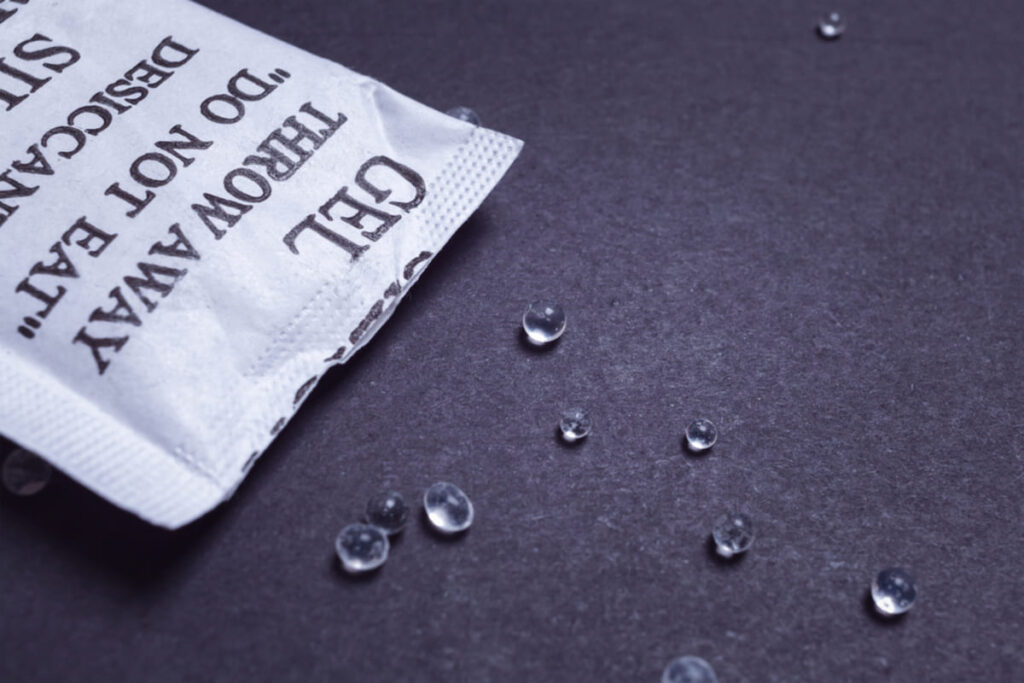
Silica gel is a transparent or blue granular material made from silicon dioxide. It is not a gel in the traditional sense, but a solid, porous form that is extremely effective at absorbing moisture. It is produced by processing sodium silicate into a gel, which is then dried to form the familiar granules.
This substance is widely used as silica gel desiccant – a material that absorbs moisture from the surrounding environment. Thanks to its structure, silica gel can retain up to 40% of its weight in water without changing its shape or consistency. This makes it essential in numerous industries and household applications.
The production process involves adding sulfuric acid to liquid sodium silicate, thereby forming a silica gel. This gel is subsequently washed and dried to obtain the final form of silica gel. The resulting granules vary in size and may be transparent or blue, depending on their composition and intended use.
What Do Silica Gel Sachets Contain?
The composition of the sachets is designed to ensure maximum performance under varying temperature and humidity conditions.
Silica gel sachets contain silica gel granules packaged in air-permeable material, such as filter paper or synthetic fabric. These materials allow air to circulate and retain moisture inside without allowing the granules to escape.
Indicator versions are also available – for example, silica gel containing cobalt chloride, which changes colour depending on its saturation level. However, these are not recommended in environments where they may come into contact with food or people.
The sachets are usually labelled with “Do not eat”, not because they are chemically toxic, but because they may cause choking or other complications if accidentally swallowed.
It is important to note that some modern versions of coloured silica gel use non-toxic indicators, such as methyl violet or methyl orange, making them safer for use in shared spaces.
How Can You Use Silica Gel Sachets at Home?

Using sachets correctly and strategically can help preserve important household items effectively.
Silica gel sachets have multiple practical uses, especially around the home, where they can extend the life of objects and prevent moisture-related damage. Here are some of the most popular ways to use them:
Removing Unpleasant Odours from Shoes and Bags
This method is particularly useful during the warmer months, when moisture and perspiration accumulate more quickly.
Silica gel sachets can be placed in shoes, sports bags or backpacks to absorb odours caused by perspiration and moisture. They maintain a dry environment and help prevent the formation of bacteria and mould.
This method is ideal for sports shoes, winter boots or genuine leather footwear, which is more prone to developing unpleasant odours.
Protecting Electronics and Camera Lenses
They are also recommended for storage boxes containing devices that will not be used for an extended period.
Electronic equipment, such as cameras and laptops, can be affected by condensation. Placing several sachets in the device bag or storage boxes helps prevent damage to sensitive components.
This is also a common solution in professional environments – photography studios, server rooms and data storage centres use container desiccants to keep equipment in optimum condition.
Helping Flowers Dry More Quickly
This process is also used in decorative arts and to create personalised gifts.
For those interested in floral arrangements, silica gel is ideal for drying flowers. The granules absorb water from the plants while preserving their shape and colour more effectively than natural drying.
This method is often used to create decorations, floral picture frames or wedding bouquets preserved as keepsakes. Silica gel helps maintain the natural appearance of dried flowers.
Drying a Phone Quickly After Exposure to Moisture
It is essential for the drying process to begin immediately after the incident to prevent circuit oxidation.
In the event of an accident, such as dropping a phone into water, silica gel sachets are more effective than the traditional rice method. The phone should be wiped dry, the SIM card and battery removed if possible, and then placed in a sealed bag with sachets for 24–48 hours.
This method is also recommended for other small gadgets, such as Bluetooth headphones, smartwatches and action cameras, helping protect them against oxidation and premature failure.
Preventing Rust on Gardening Tools
This practice is also common in woodworking and mechanical workshops.
Metal tools rust easily when stored in damp environments. Adding several sachets to the toolbox helps prevent corrosion and extends the service life of the tools.
It is also recommended to place them in storage rooms, sheds or garages, especially during the cold season or in areas with high humidity.
Other Useful Household Applications
The versatility of these sachets makes them indispensable in any well-organised household.
- In boxes containing old photographs or documents to prevent the paper from curling;
- In wardrobes and drawers to keep clothes dry and odour-free;
- In spice jars to prevent clumping;
- Inside jewellery boxes to protect silver from oxidation;
- In laundry baskets to reduce moisture and prevent odours;
- In cars parked for extended periods to reduce condensation inside.
Read more about desiccants and their uses!
What Is Silica Gel Used For? In Brief
It is considered a standard for humidity management in commercial VCI packaging, desiccants and emitters.
Silica gel is used across many industries:
- In the food industry to keep food dry, such as snacks and supplements;
- In the electronics industry to protect sensitive equipment;
- In the pharmaceutical industry to keep medicines in optimum condition;
- In maritime transport and logistics to prevent damage to goods;
- In footwear and leather manufacturing to protect materials against mould;
- In the automotive industry to keep vehicle interiors dry during storage.
Is Silica Gel Dangerous? Can It Be Toxic?

Although it is safe, users should follow the manufacturer’s handling instructions.
The short answer is: NO. Silica gel is considered non-toxic and does not cause serious adverse effects if accidentally swallowed, but it is not intended for consumption. The “Do not eat” warning is necessary to prevent potential accidents, especially involving children or animals.
Indicator versions, such as those that change colour, may contain less safe substances and should be used with caution. In any case, sachets should be kept away from food and areas accessible to young children.
It is also worth knowing that some people may experience minor irritation when coming into contact with silica gel particles, but such cases are rare and not dangerous. Nevertheless, responsible use and proper storage are essential.
The benefits of silica gel sachets often exceed the expectations of first-time users.
Silica gel is not just a simple desiccant hidden inside product packaging. It is a valuable ally in the home, helping protect personal belongings and extend the service life of products.
It is easy to use, safe and available in many forms, from small sachets to containers filled with larger granules. It can be reused by heating, while storing collected sachets can provide real benefits over time.
Do not throw the sachets away! Reuse them intelligently to keep your personal space dry and clean.