

Cardboard, plastic and eco-friendly packaging
Cardboard packaging, plastic packaging, eco-friendly packaging, their correct use and their impact on the environment. Packaging products and disposing of the packaging after the product has been shipped or stored for later use is becoming an increasing concern.
With the growth of the e-commerce industry, there has been a massive increase in demand for suitable packaging for every product—packaging that is lightweight, inexpensive, strong and easy to use. This growth has also led to an increase in waste, which is why we offer eco-friendly options to minimise any potential environmental damage and maximise recycling.
Materials used in e-commerce packaging: cardboard and plastic
Cardboard and plastic are the materials most frequently used by customers. Both offer very different properties as packaging materials and provide different recycling and disposal options.
Corrugated cardboard packaging
Corrugated cardboard is undoubtedly a material you have encountered, know and use. It is one of the most common packaging materials used today, thanks to its excellent protection, handling and storage properties.
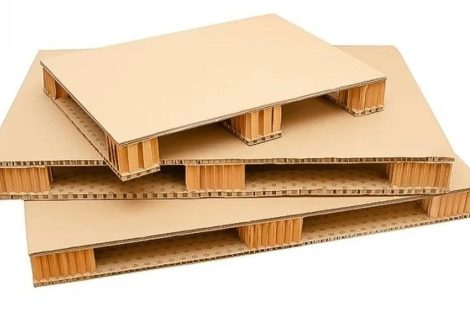
Corrugated cardboard is made from a fluted layer surrounded by an outer liner and an inner liner. It is a combination of two paper sheets, also called “liners”, bonded to a corrugated sheet of paper known as the “flute”. These three paper layers are assembled in a way that gives the overall structure much greater strength. This construction is known for its ability to support weight. It provides protection against shock and crush resistance thanks to its rigid properties.
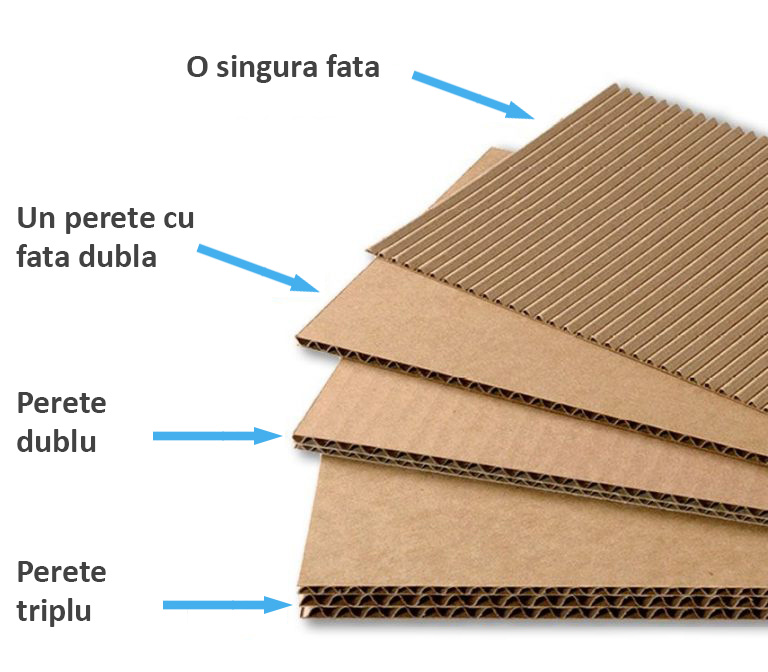
It can be easily opened and assembled when necessary, making efficient use of storage space. It is widely available and 100% recyclable.
Plastic packaging
Plastic has received a great deal of publicity recently because of the large amount of waste found in some of the world’s most beautiful places and its impact on the environment. Critics argue that this is mainly because it is more difficult to recycle.
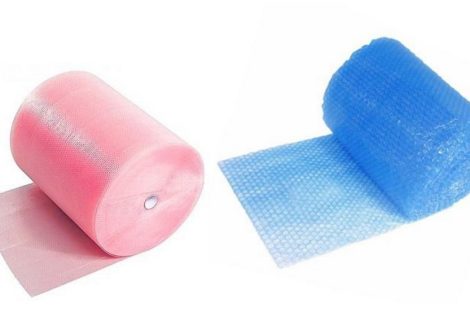
As a packaging material, plastic is lighter and thinner than paper alternatives and helps reduce fuel consumption during transport, thereby reducing greenhouse gas emissions. Many plastics are now recyclable, meaning they can be reshaped into effective packaging in the future while retaining their excellent properties.
Plastic offers many benefits as a product packaging material: it is weather-resistant, tear-resistant and lightweight, while some plastics also provide puncture resistance and protection against extreme hot and cold temperatures.
Plastic is lighter and stronger than paper and cardboard packaging, while plastics and polyurethane foams provide better protection using less material, making them a sustainable option.
It is a material that is continuously developing within the manufacturing and innovation industries, including through the increased use of recycled plastic, reuse and reduced energy consumption during production as technology improves.
In summary, which material is right for you?
Choosing the right packaging material for your needs is something that should be considered based on a range of factors, such as the type of item to be packaged, the protection it will require, where it will be stored, how it will be shipped and what storage space is available. These are just some of the factors to consider.
Corrugated cardboard provides medium to heavy-duty protection thanks to the properties of the material, which excels at protecting against shocks, impacts and crushing. Heavier than plastic, it may be slightly more expensive, but it is easy to recycle.
Plastic provides excellent overall protection in the form of puncture resistance. It is more weather-resistant than corrugated cardboard, meaning there are fewer concerns related to moisture or high temperatures. Recycling plastic materials is generally not as efficient as recycling paper and cardboard, although the lightweight properties of plastic mean a lower environmental impact during transport and delivery.
Some products combine the strengths of both packaging materials and remain fully recyclable, such as paper bags, allowing you to benefit from both types of packaging while retaining their eco-friendly properties.