

How to Prepare Pallets for International Transport
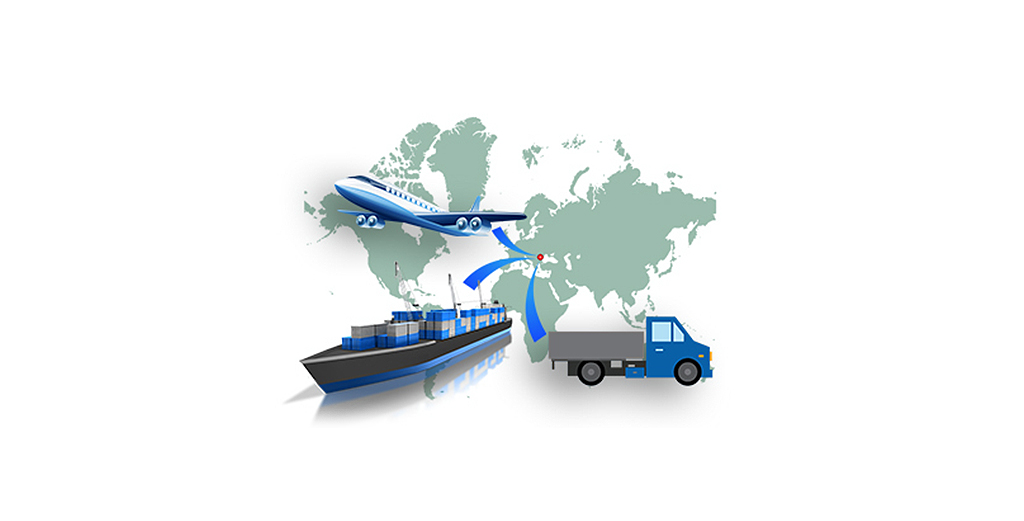
When you start shipping products internationally by rail, sea or air, extremely long distances can cause damage to the products. If these products arrive at their destination damaged, they may be rejected by the customer, which can lead to significant losses for your company.
We cannot guarantee that the goods you send will never be damaged, but we have created a list of tips to help you prepare a pallet for international transport and minimise the risk of damage.
1. Keep the products dry
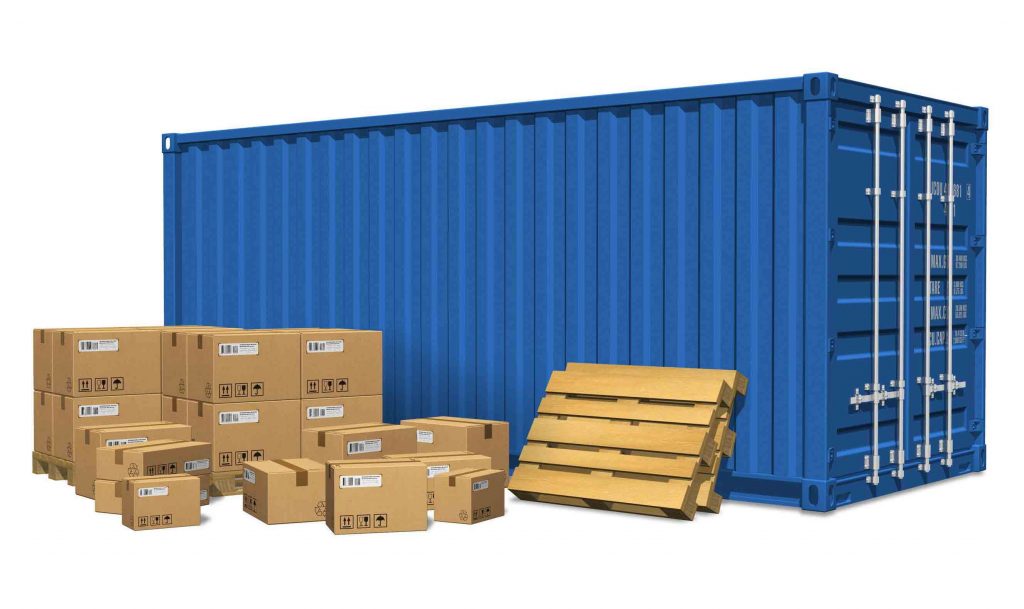
Moisture is a major problem that can cause metal containers to rust, corrode or oxidise. It can also damage cardboard packaging and encourage the growth of black mould. Moisture is difficult to control, but you can take measures to prevent this problem. It is important to invest in moisture protection; for example, you can use adhesive tape to seal the container holding your pallets.
2. Use stretch film effectively
To ensure that the risk of pallet damage is significantly reduced, you must make sure that your products are palletised correctly. It is important to use high-quality stretch film and ensure that the goods have been wrapped properly with film so they do not slide off the pallet.
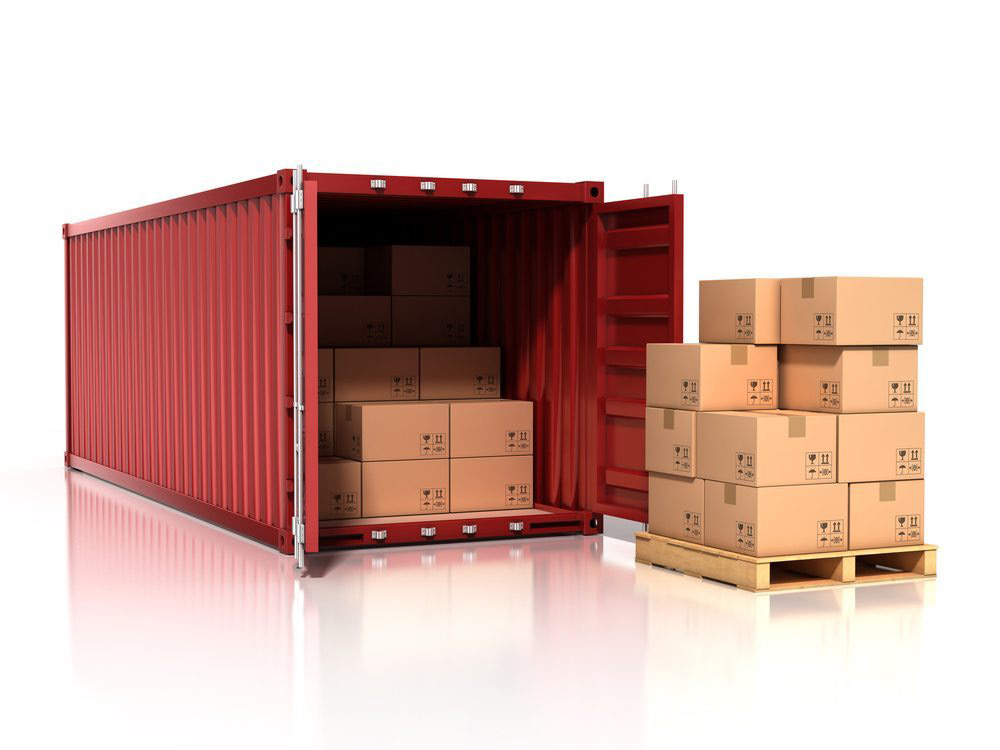
3. Goods must be transported on suitable pallets
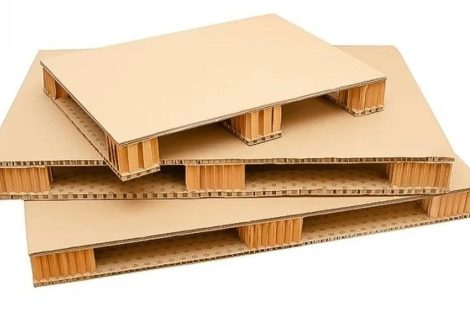
The pallet dimensions must correspond to those of the goods being transported on it. It is very important that the entire shipment is neither larger nor smaller than its pallet. If the goods are smaller than the pallet, they cannot be secured properly on it; if they are larger, there is a risk that the products will hit other pallets nearby. You should also be aware that certain countries will require you to use pallets made from pest-treated wood.