

Bubble Wrap vs Expanded Polyethylene Foam
Protective packaging plays an important role when you want to keep products intact during transport and storage. Choosing the right material helps prevent damage and reduces the risk of returns or additional costs. That is why comparing bubble wrap with expanded polyethylene foam remains useful for any business handling fragile products, electronics, glossy furniture or metal components. In the following sections, you will discover the practical differences between these two protective packaging materials and find clear recommendations for each situation.
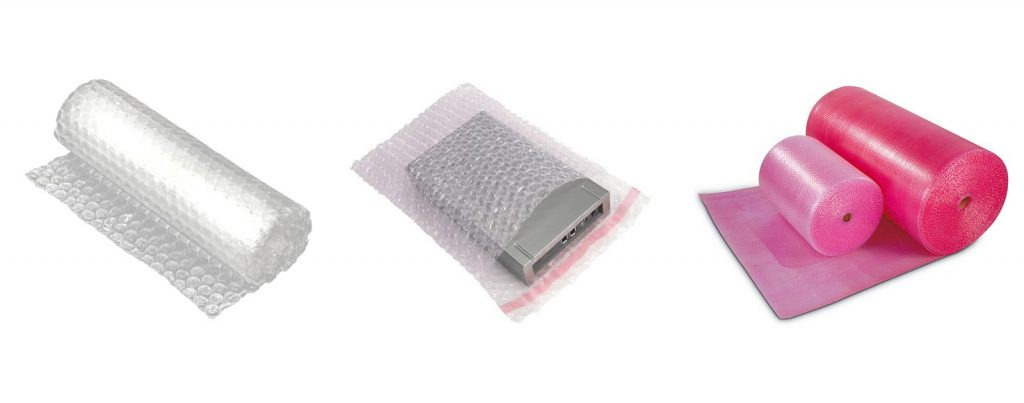
Bubble wrap: features and uses
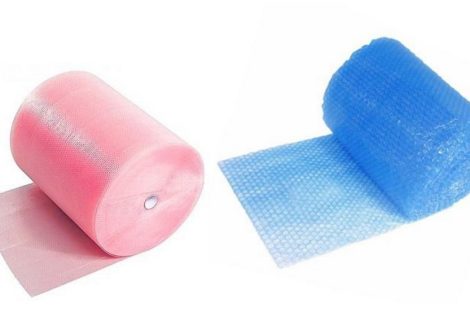
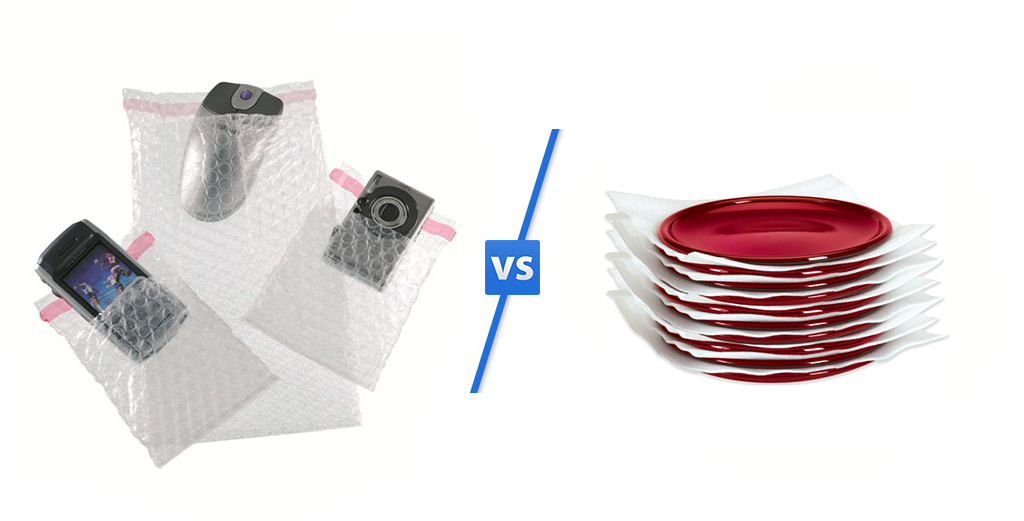
Bubble wrap is made from low-density polyethylene (LDPE) and contains air-filled bubbles that absorb shocks and vibrations. It is available in rolls or bags, in a variety of thicknesses and sizes. It may feature small bubbles, recommended for fragile and lightweight items, or large bubbles, suitable for bulkier or heavier products such as alloy wheels or ceramic decorations. For electronics, you can use versions with antistatic properties, while for increased sustainability, eco-friendly options are available.
Advantages of using bubble wrap:
- Provides effective protection against shocks and vibrations, limiting the risk of cracking or breakage;
- Adapts easily to any type of product, including items with sharp corners;
- Easy to use and cut to the desired shape;
- Available at an excellent price-to-quality ratio.
Limitations of bubble wrap:
- May leave marks on glossy surfaces such as glass, metal or finished wood, especially if you do not add an intermediate layer such as expanded polyethylene foam or thin foam;
- Takes up more storage space.
Examples of use:
- Protecting small appliances or bulky furniture components;
- Wrapping automotive wheels for transport;
- Packaging electronic components with antistatic bubble wrap;
- Fragile packages or courier parcels.
Expanded polyethylene foam: composition and applications
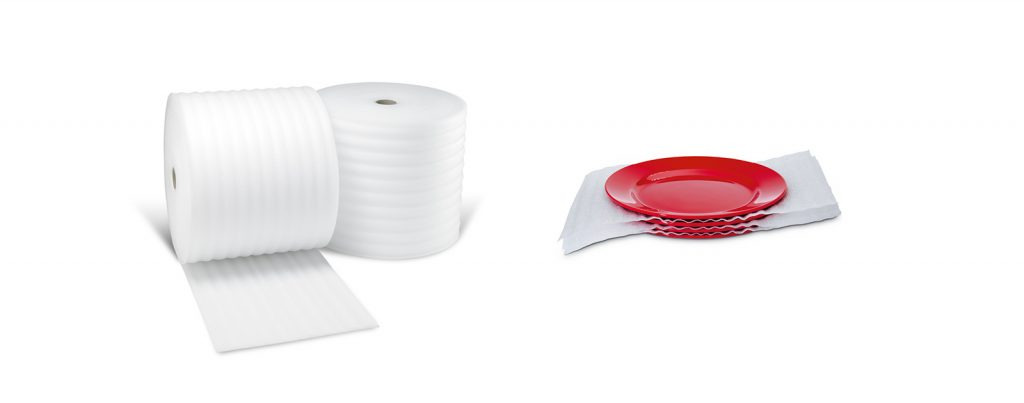
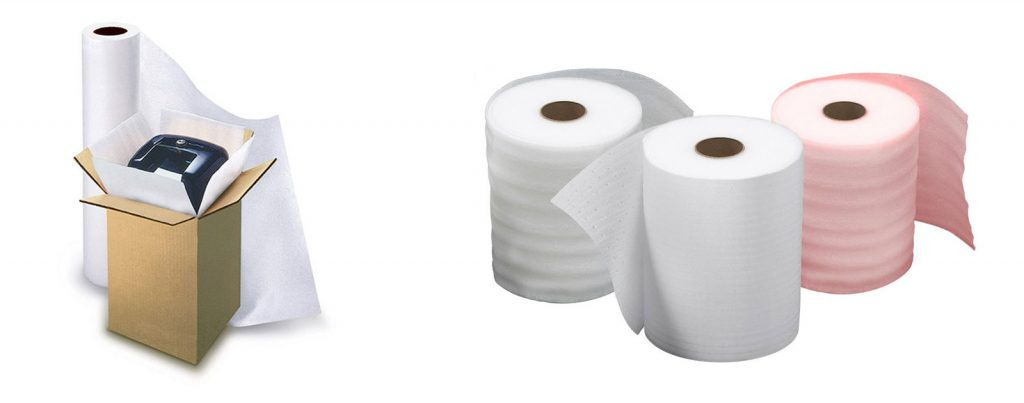
Expanded polyethylene foam is made from low-density polyethylene produced in the form of a thin foam. It can be used both as a roll and as pre-cut sheets, making it suitable for quickly packaging products with irregular shapes.
Advantages of using expanded polyethylene foam:
- Does not leave any marks or dust on packaged surfaces;
- Non-abrasive protection, ideal for lacquered furniture, windows or electronics with displays;
- Adapts quickly to unusual or delicate shapes and is easy to store thanks to its reduced thickness.
Limitations of expanded polyethylene foam:
- Provides limited protection, especially against strong impacts or when packaging heavy items;
- May involve higher costs for bulky products.
Examples of applications:
- Protecting smooth or glossy surfaces such as luxury furniture and mirrors;
- Packaging large electronic housings or fine ceramics;
- Using it as an intermediate layer to prevent scratches.
| Criterion | Bubble wrap | Expanded polyethylene foam |
|---|---|---|
| Impact protection | Very good for fragile or heavy products | Basic, mainly intended to prevent scratches |
| Surface protection | May leave marks on glossy surfaces; a protective layer is required | Leaves no marks; suitable for delicate items |
| Space efficiency | Bulky to store | Compact and easy to store |
| Adaptability to shapes | Highly flexible around complex corners | Ideal for sensitive and flat surfaces |
| Costs | Affordable, especially for large surfaces | More expensive for extensive volumes |
| Recommended uses | Transporting wheels, furniture and fragile electronics | Glossy parts, displays and finished items |
In practice, for transporting wheels or solid furniture, bubble wrap helps prevent mechanical damage. For packaging a laptop with a screen or glossy furniture, choose a layer of expanded polyethylene foam.
For the best results, combine the materials where necessary – use bubble wrap to absorb shocks and a foam layer to eliminate the risk of scratches.
Frequently asked questions about bubble wrap and expanded polyethylene foam
What is bubble wrap and what is it used for?
Bubble wrap is a protective material made of layers of plastic containing air bubbles. These provide cushioning and protect products against shocks and vibrations during transport. It is ideal for fragile or heavy items and objects with sharp edges.
What is expanded polyethylene foam and what are its advantages?
Expanded polyethylene foam is a smooth, lightweight and flexible material. It is non-abrasive, leaves no marks and does not produce dust, making it suitable for packaging glossy surfaces such as finished wood, metal or glass.
What are the main differences between the two types of film?
Bubble wrap provides better impact protection because of its air bubbles, but it may leave marks on glossy surfaces. Expanded polyethylene foam is smooth, leaves no marks and adapts more easily to irregular shapes, but provides somewhat less cushioning.
When should I choose bubble wrap?
It is recommended when protecting heavy or fragile objects, or items with sharp corners, because it provides an excellent barrier against mechanical shocks.
When is expanded polyethylene foam more suitable?
It is the ideal choice for packaging products with delicate or glossy surfaces where marks or scratches are not wanted. It is also lightweight and easy to store.
Can both types of film protect fragile items during transport?
Yes, both types provide effective protection for fragile items, but bubble wrap is better for absorbing shocks, while expanded polyethylene foam is better for protecting sensitive surfaces.
Can bubble wrap leave marks on glossy surfaces?
Yes, the pressure exerted by the air bubbles can leave visible marks on glossy or sensitive materials if they are wrapped directly in bubble wrap.
Is expanded polyethylene foam abrasive or dusty?
No, it is a clean, non-abrasive material that does not produce dust or damage fine surfaces.
How does expanded polyethylene foam perform when packaging irregular shapes?
It moulds very well thanks to its flexible structure, making it suitable for objects with complex or uneven shapes.
How do I choose between bubble wrap and expanded polyethylene foam?
If you need superior impact protection, choose bubble wrap. If you want to protect fine or glossy surfaces, choose expanded polyethylene foam. In some cases, the two can be used together for maximum protection.
Analyse the challenges of each shipment and choose the most suitable solution, adapting and sometimes combining the materials for additional safety. You can quickly find bubble wrap, including eco-friendly or antistatic options, as well as expanded polyethylene foam packaging and accessories . For the best results, choose quality packaging materials suited to your specific requirements. Whether you want to protect fragile items, electronic equipment or furniture components, bubble wrap and expanded polyethylene foam remain the most popular options thanks to their efficiency and versatility.