

Did you know that product packaging is just as important as the product itself?
In retail, logistics and sales, having a quality product is not enough: its packaging plays an equally important role in its success on the market. Packaging is not merely protection, but also a communication tool and a visual and tactile statement through which your brand conveys values, differentiates itself and builds loyalty. Let us explore why packaging matters, its essential functions and how you can turn it into a competitive advantage.
What role does packaging play in consumer perception?
First and foremost, packaging is the element with which consumers come into direct visual, tactile and emotional contact. When a customer is standing in front of a shelf, the purchasing decision is heavily influenced by the packaging: colour, shape, texture and design all create the first impression. Carefully designed packaging immediately conveys product quality, brand professionalism and attention to detail. Studies show that relevant design can increase the desire to purchase, as well as the product’s ability to stand out on a crowded shelf.
Moreover, packaging becomes part of the customer experience: from receiving the product to opening, using and perhaps even reusing or recycling it. This journey matters to buyers who are looking not just for a product, but for a complete experience.
The essential functions of packaging
Packaging fulfils several critical roles that go beyond a simple visual “map”. Every product needs packaging that protects it, communicates effectively and serves the brand. Here are the roles fulfilled by the most widely used packaging materials:
Protecting the product
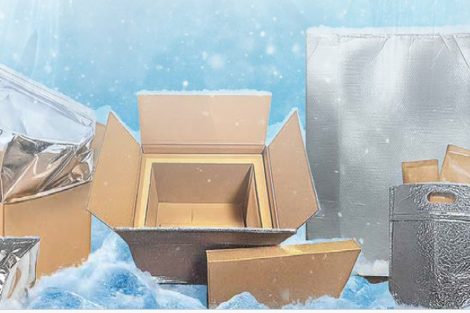
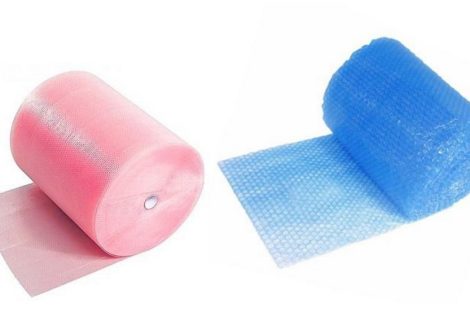
Packaging must ensure the product’s integrity throughout its entire lifecycle: from production, transport and storage to use. It must act as a barrier against moisture, light, impurities, wear and damage. This is why thermal insulation packaging, protection made from bubble wrap and other solutions are used.
Providing information and communicating
Good packaging informs consumers about ingredients, use, storage, expiry dates and the brand’s production. In addition, packaging communicates the brand’s values, its differentiation from competitors and its quality promise.
Promoting and differentiating the product
Packaging is a marketing tool. Its design can attract attention, create emotion and establish an association between the brand and its values. Essentially, packaging helps a product stand out and compete effectively on the shelf. Accessories such as custom printed adhesive tapes add an extra level of security and reinforce the brand message.
Facilitating handling and storage
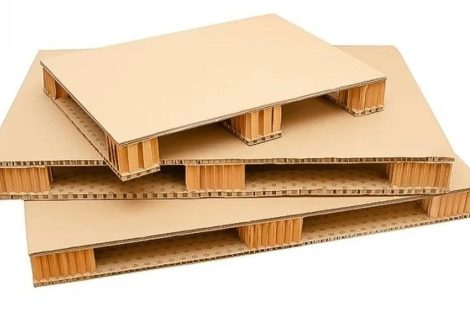
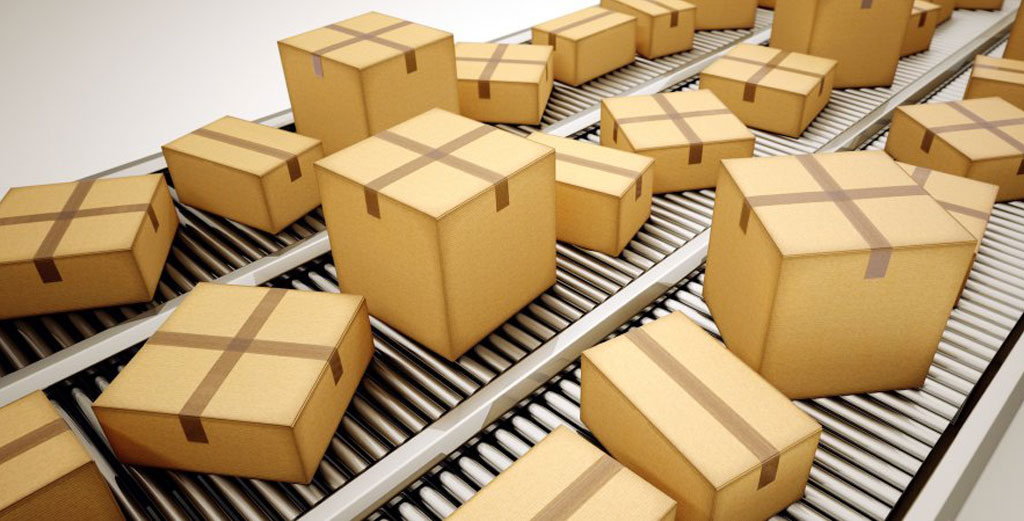
Packaging is also designed for logistics: easy handling, efficient storage and safe transport. The materials, shape and closing system all contribute to supply chain efficiency.
Sustainability and responsibility
Today, consumers are attentive to environmental impact. Eco-friendly packaging—recyclable, reusable and made from sustainable materials—adds credibility to a brand and meets market expectations.
How can packaging become a competitive advantage?
Once you understand the roles of packaging, the next step is to transform it: design it so that it contributes to the product’s success. Here are several useful strategies:
- Define your brand’s visual identity: colours, logo, fonts and symbols must all be consistent and memorable. Consumers recognise a brand instantly from its packaging design.
- Ergonomic and functional design: packaging should be easy to open and use, preserve the product properly and provide a pleasant opening experience (“unboxing”).
- A clear and relevant message: communicate key benefits, simple instructions and brand values (eco-friendly, premium, artisanal)—all of these influence the purchasing decision.
- Quality materials and finishes: premium materials, textures and tactile or interactive elements can make a product appear more valuable, justifying a higher price.
- Sustainability: use recyclable materials, reduce unnecessary packaging and inform customers about the correct way to recycle it. This adds value to the brand and responds to the growing demand for “green” products.
- Consistency throughout the distribution chain: packaging must protect the product so that the customer receives what they expected—damaged items can undermine customer trust.
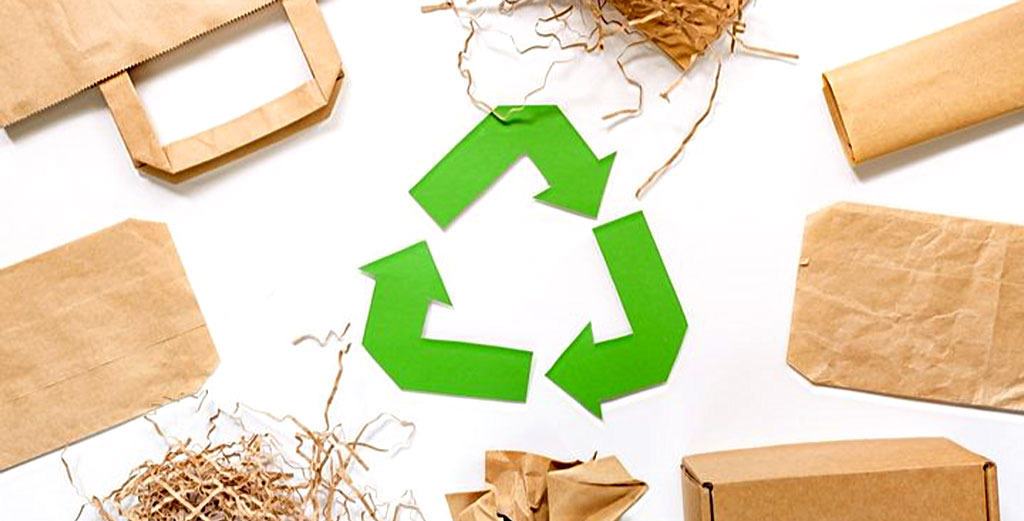
The importance of product packaging and its benefits
| Packaging role | Description of packaging role | Benefit for the brand/product | Recommendations from INATECH Packaging |
|---|---|---|---|
| Protection | Packaging protects the product during transport, storage and use. | Prevents damage and financial losses. | Sturdy boxes for fragile products, protective film. |
| Communication and information | Packaging provides details about ingredients, instructions, manufacturer and maintenance. | Increases trust and transparency towards the brand. | Clear labels for cosmetics or food products. |
| Promotion and differentiation | The design attracts attention on the shelf and conveys the brand identity. | Makes the product memorable and improves visual recognition. | Premium, colourful packaging with a visible logo. |
| User experience | Ergonomic packaging is easy to open, use and transport. | Increases customer satisfaction and the chances of repeat purchases. | Practical caps, easy opening, zip-lock bags. |
| Emotional marketing | Packaging creates emotion, tells a story and conveys a sense of quality. | Builds attachment to the brand and justifies the price. | Gift boxes, premium minimalist design. |
| Sustainability | Using recyclable/reusable materials. | Attracts eco-conscious customers and improves the brand’s reputation. | Cardboard packaging made from recyclable materials, reusable glass. |
Frequently asked questions about product packaging
Here is what you need to know about E-Commerce packaging, eco-friendly packaging, products and accessories for creating a high-performance packaging system:
Why is packaging just as important as the product?
Because packaging creates the first impression, protects the product, conveys information and influences the purchasing decision. Good packaging can increase sales even when the product itself remains unchanged.
Does packaging design matter?
Yes, design attracts attention, communicates brand values and differentiates the product on the shelf. Colours, graphics, material and visual messaging influence the buyer within just a few seconds.
Does packaging affect the product price?
Yes. Premium packaging can justify a higher price. When packaging conveys quality, customers perceive the product as more valuable and are willing to pay more.
Is it important for packaging to be eco-friendly?
Yes, consumers are increasingly attentive to environmental impact. Recyclable or reusable packaging increases trust and loyalty towards the brand. It can also reduce costs in the long term.
What information should packaging contain?
This depends on the product, but generally it should include: instructions for use, ingredients, manufacturer, expiry dates, warnings, recycling symbols and product benefits. Clear information is mandatory.
How does packaging influence the customer experience?
Packaging can provide a pleasant opening experience (unboxing), be easy to use, protect the product effectively and create emotion. All these factors contribute to customer satisfaction and loyalty.
What role does packaging play in marketing?
Packaging is a sales tool. It visually communicates the brand’s messages, attracts attention, encourages purchase and conveys the product’s story without words. It is one of the most effective forms of direct marketing.
In conclusion, product packaging deserves the same attention as the product itself. It protects, informs, differentiates and adds real value. If you invest in the product but leave the packaging to chance, you risk losing the consumer’s attention—even if the product is excellent. Conversely, a very good product presented in mediocre packaging may be perceived as less valuable.
For brands that want to gain loyalty and recognition and be perceived as more valuable by customers, packaging is not merely a cost, but a strategic opportunity. Contact the INATECH Packaging specialists, who provide professional services and consultancy to help you build a complete, impactful and sustainable brand experience.