

What Is Spunbond Nonwoven Material and What Are Its Main Uses
What Does “Nonwoven Material” Mean?
Spunbond nonwoven material is made from polypropylene and viscose fibres, arranged randomly and bonded through mechanical, chemical or thermal processes. This type of material is valued for its strength and versatility, being used in a wide range of industries. Thanks to its properties, nonwoven material is often preferred in the production of plastic bags, sacks and containers, where it provides durability and superior protection for the contents.
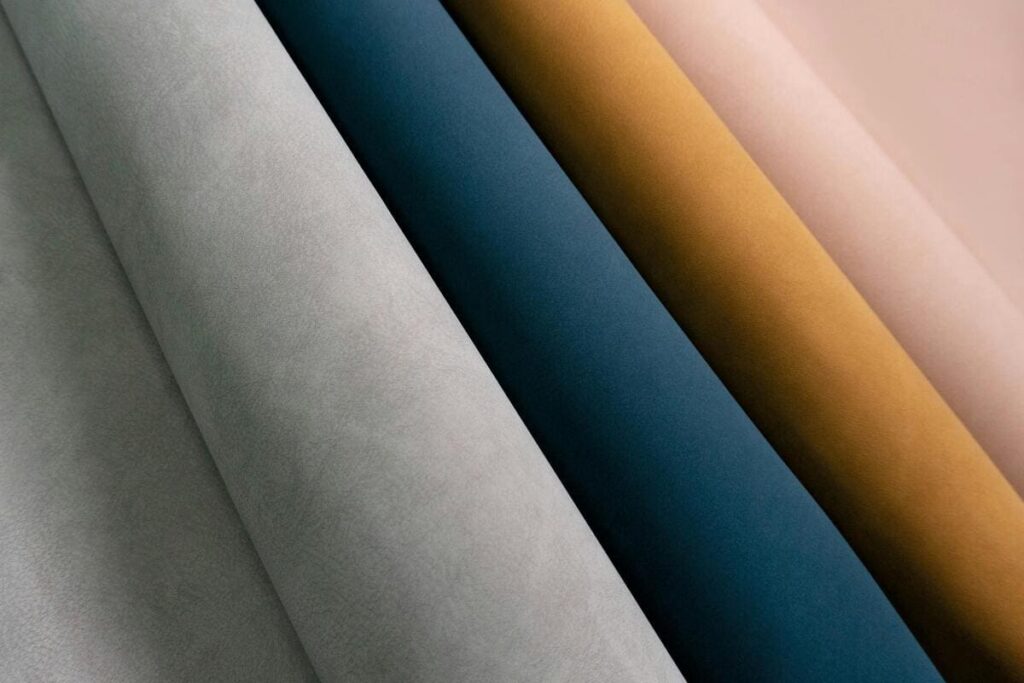
In addition, nonwoven material can be produced in a variety of thicknesses and colours to meet the aesthetic and functional requirements of different industries. The manufacturing process also allows for variants with special treatments that increase resistance to moisture, abrasion and wear.
What Is Spunbond Technology?
Spunbond technology involves melting the primary polymer, spinning it and extruding it into continuous filaments, which are then stretched and laid out in a uniform layer. The process makes it possible to obtain materials with adaptable characteristics, including special treatments. For example, in the food and non-food packaging industry, this material is commonly used to manufacture polypropylene bags, known for their tear resistance and ease of customisation.
The process ensures fast and efficient production, with the possibility of incorporating special treatments such as water resistance, UV protection or flame-retardant properties. In addition, Spunbond technology is environmentally friendly thanks to the recyclability of polypropylene and the use of biodegradable additives. This method allows production in large volumes while maintaining a competitive cost and a high level of quality control.
How Is Spunbond Material Manufactured?
The production of spunbond nonwoven material involves a well-controlled technological process that ensures the uniformity and quality of the fabric. The filaments obtained through extrusion are laid out randomly and then bonded using heat or ultrasound, resulting in a strong and breathable structure. Thanks to these characteristics, the material is ideal for protective equipment and products intended for household care, such as those included in the range of household and workplace safety products available from INATECH.
The process may include the addition of additives, such as oxo-biodegradable additives or pigments, to give the material specific properties. Modern technology allows the density and thickness of the material to be adjusted according to the application, providing significant production flexibility. In addition, combining it with other materials can improve the performance and service life of the final product.
Properties of Spunbond Nonwoven Material
Spunbond nonwoven material has a range of properties that make it extremely useful in numerous industries: water resistance, breathability, flexibility, hypoallergenic properties, non-toxicity, a soft feel and ease of processing. It can be bonded using heat or ultrasound, is resistant to scratches and can be treated to provide protection against UV rays and flames or to become completely waterproof. It can also be combined with other materials to improve its final performance. These characteristics make it ideal for applications that require both protection and comfort, such as medical equipment and technical textiles. In addition, its properties are maintained even after repeated use or exposure to difficult conditions, increasing its long-term reliability.
Advantages of Spunbond Material
A major advantage of spunbond nonwoven material is its excellent cost-to-performance ratio. Lightweight yet strong, it can successfully replace traditional textile materials in applications where durability and hygiene are priorities. It is biodegradable when produced with special additives, making it a sustainable option for industries seeking to reduce their environmental impact. It is also easy to customise through printing, dyeing or lamination, which expands its possible uses. Its resistance to extreme temperature and humidity conditions makes it suitable for outdoor use and demanding industrial environments. The ability to combine excellent mechanical properties with low weight helps increase efficiency and reduce transport and handling costs.
Main Uses of Spunbond Material
Medical Industry (Masks, Gowns and Caps)
In the medical sector, spunbond nonwoven material is used to manufacture surgical masks, disposable gowns, caps and coveralls. Its hypoallergenic properties and ability to block particles make it ideal for protecting patients and medical personnel. It is widely used in hospitals, clinics and laboratories, helping to maintain a sterile and safe environment. The ease with which it can be disinfected or disposed of after use makes it perfect for single-use applications.
Packaging and Protection (Sacks, Covers and Furniture Protection)
In the packaging industry, spunbond material is used for reusable sacks, protective covers for furniture and equipment, as well as decorative packaging. It is tear-resistant and easy to customise, offering both functionality and an attractive appearance. It effectively protects products against dust, moisture and scratches, making it a preferred choice in logistics and storage. Its durability allows it to be reused multiple times, reducing costs and environmental impact.
Agriculture (Anti-Weed Agricultural Fabric)
In horticulture and agriculture, spunbond nonwoven fabric is used in the form of anti-weed fabrics or protective covers for seedlings and crops. These fabrics allow air and water to pass through while blocking light and preventing weed growth. The material is resistant to weather conditions and UV rays, providing long-term protection for plants. Its use reduces the need for herbicides, thereby contributing to more environmentally friendly and efficient agriculture.
Textile and Fashion Industry (Linings and Accessories)
In the textile industry, polypropylene nonwoven fabric is used for linings, aprons, hats and promotional bags. It is easy to cut and sew while retaining its shape over time. Its versatility enables the production of customised items adapted to different market trends and requirements. It is also preferred for promotional products due to its low cost and short production time.
Automotive and Construction (Filters and Insulation)
In the automotive sector, spunbond nonwoven material is used for headliner linings, filters and acoustic insulation. In construction, it can be used as a separating or protective layer in various insulation systems. Its strength and adaptability make it suitable for demanding technical applications. In addition, its ability to withstand variations in temperature and humidity makes it a reliable choice for extreme environments.
How Do You Choose the Right Spunbond Material for Your Application?
Choosing the right spunbond nonwoven material depends primarily on its intended use, the required thickness and the technical properties needed for your project. It is essential to establish from the outset the environmental conditions in which the material will be used, such as exposure to moisture, significant temperature variations or direct contact with chemicals. For medical applications, you should always check whether the material is certified in accordance with international healthcare standards, so that it provides the protection and hygiene required in hospitals, clinics or laboratories.
In agriculture, variants with UV protection are recommended, as they can withstand extended periods outdoors without losing their properties. These are ideal for anti-weed fabrics and protective covers for seedlings and sensitive crops, helping to extend the service life of covering systems. For the packaging industry, it is important to select options with increased tear and abrasion resistance, so that transported or stored products remain safe over the long term.
Why Is Spunbond an Efficient and Sought-After Material?
Spunbond nonwoven material is efficient because it combines strength, affordability and adaptability across different industries. It is sought after by both large industries and small manufacturers due to the wide range of thicknesses, colours and treatments available. Thanks to its properties, it provides a reliable solution for protection, filtration, packaging and textile product manufacturing. In addition, its sustainability and recyclability make it a modern and responsible option for current projects.
Spunbond nonwoven material is present in numerous industries and everyday applications, even though it is not always recognised by the end consumer. From medical masks to agricultural fabrics, this material delivers clear benefits in terms of durability, hygiene and functionality. To order spunbond material, TNT nonwoven material or polypropylene TNT according to your needs, visit Inatech Shop and discover solutions adapted to every project. Choosing the right material can improve efficiency, reduce costs and ensure high-quality results in any application.