


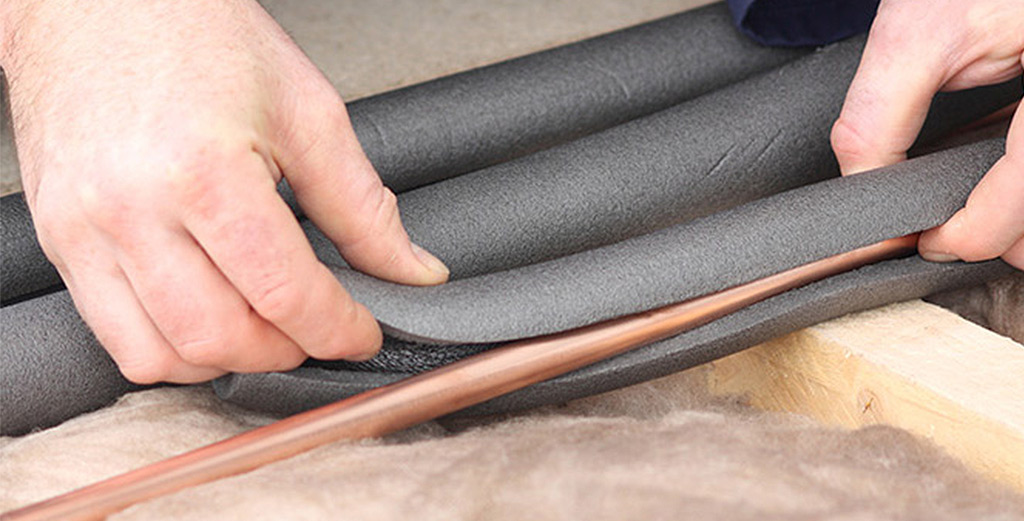
Benefits of Pipe and Pipeline Insulation
Insulating pipes and pipelines directly affects operating costs, installation safety and service life. Whether you manage a production hall, a logistics warehouse, an online store with its own premises or a factory in the automotive, pharmaceutical or furniture industry, the performance of technical systems matters every day.
An uninsulated pipeline loses energy, generates condensation and may deteriorate more quickly. By contrast, properly selected insulation reduces risks and gives you control over consumption. If you are planning a new project or want to optimise an existing installation, it is worth carefully analysing the real benefits of insulation.
What Is Pipe Insulation and What Is Its Purpose?
Pipe and pipeline insulation involves applying a material with low thermal conductivity to the surface of pipes carrying water, steam, heating media or industrial fluids. The objective is clear: to limit the temperature exchange between the inside of the pipe and the surrounding environment.
In practice, this means keeping hot water at the desired temperature along the route, protecting pipes from freezing in unheated areas and preventing condensation from forming on cold pipes. In most cases, insulation is part of the technical requirements set out in Romanian and European regulations on energy efficiency and fire protection.
For everyday use in commercial or industrial premises, insulation helps meet standards such as requirements for the energy performance of buildings and fire safety rules for installations.
Protection Against Freezing and Costly Damage
Freezing remains one of the most common causes of damage during the cold season. Water expands when it freezes, and the pressure exerted on the pipe walls causes cracks or even ruptures. In a logistics warehouse or industrial hall, such a problem can halt operations and generate significant costs.
High-risk areas include unheated basements, technical rooms, externally installed pipes and routes near poorly insulated walls. Here, you can quickly solve the problem with pipe insulation that prevents water from freezing inside the pipe.
For example, in a food industry factory where pipes pass through a loading area exposed to low temperatures, proper insulation keeps the water above the critical threshold and prevents blockages. For stable results in severe climates, you can integrate electrical de-icing cables in accordance with the project’s technical specifications. Take preventive action. The cost of insulation is much lower than subsequent repairs and losses caused by production downtime.
Reducing Heat Loss and Optimising Energy Consumption
Uninsulated pipes release heat into areas where it is not needed: basements, stairwells and technical areas. In practice, you heat the surrounding air instead of delivering energy to the point of use.
By insulating heating pipes and hot-water pipes, you can reduce thermal losses by up to 80–90%, depending on the thickness and material. Under real operating conditions, many commercial buildings achieve energy savings of 5–15%.
In a logistics centre with an extensive domestic hot-water network, insulating the main risers reduces waiting time at the tap and maintains a constant temperature along long routes. In production, maintaining the heating medium at stable parameters ensures repeatable and controlled processes. Choose materials with a low thermal conductivity coefficient and size the thickness correctly. Consult the technical data sheets and adapt the solution to the pipe diameter and operating temperature.
Condensation Control and Protection Against Corrosion
Condensation occurs when humid air comes into contact with a cold surface, such as cold-water pipes or HVAC installations. Over time, water accumulated on the pipe surface accelerates corrosion and affects the surrounding structures.
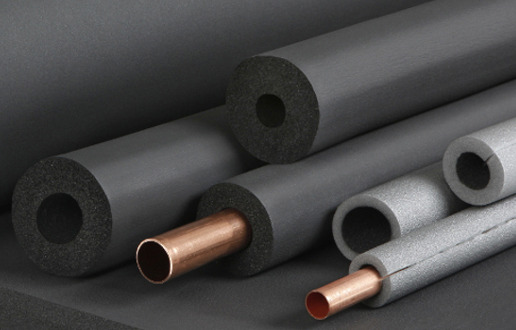
In an electronics warehouse or pharmaceutical facility, moisture can compromise both the installation and the stored products. Closed-cell insulation, such as elastomeric rubber, limits direct contact between the air and the cold surface and reduces the risk of condensation.
For stable results, properly seal all joints and use compatible accessories. A small uncovered area can become a critical point. Also inspect the reflective insulation periodically, especially in areas with high humidity.
Improving Safety in Industrial and Commercial Premises
Pipes carrying hot fluids can reach dangerous surface temperatures. In production halls, hospitals, schools or restaurants, accidental contact with an uninsulated pipe can cause burns.
Insulation reduces the external temperature of the pipe and lowers the risk of injury. In addition, materials certified for industrial use can meet reaction-to-fire requirements in accordance with European standards.
If you manage a high-traffic area, treat insulation as part of your occupational safety policy. Integrate solutions that comply with fire safety regulations and document the work in the maintenance plan.
Noise Reduction and Improved Acoustic Comfort
Water flowing under pressure produces vibration and noise, especially in multi-storey buildings. In hotels, office buildings or residential developments, these sounds can become disruptive.
Insulation materials dampen vibrations and reduce the transmission of noise through walls and floors. For projects with strict acoustic requirements, you can combine thermal insulation with dedicated soundproofing solutions.
Analyse the points where pipes pass through walls or floors. Structural noise frequently occurs in these areas. A well-planned intervention improves comfort without major modifications to the installation.
Types of Materials and Selection Criteria
The choice of material depends on the temperature of the transported medium, ambient humidity, outdoor exposure and fire-resistance requirements.
- expanded polyethylene is quick to install and resistant to moisture – use it for residential and commercial applications at moderate temperatures;
- elastomeric rubber provides good condensation-control performance and high flexibility – it is frequently chosen for HVAC installations and cold-water pipes;
- mineral wool withstands high temperatures and offers good fire protection – it is used in heating plants and industrial installations where fire safety is a priority;
- polyurethane foam provides continuity without joints and high thermal performance – it is used in special projects, including underground pipelines.
Check the maximum permitted temperature, reaction-to-fire class and compatibility with the operating environment. Comply with the requirements of the technical regulations and, for complex projects, work with an installation specialist.
Short On-Site Installation Guide
Prepare the pipe surface. Remove deposits, eliminate rust and make sure the surface is dry. Install the pipe insulation tightly, without gaps. Cut the material to the correct size and avoid excessive compression, as this reduces thermal performance.
Seal the joints with compatible tapes or adhesives. In areas exposed to the outdoors, apply additional protection against UV radiation and mechanical factors. Finally, check the continuity of the insulation layer along the entire route. Document the work for future maintenance.
Maintenance and Common Errors
Inspect pipe insulation regularly, especially after work has been carried out on the installations. Look for detached areas, mechanical damage or signs of moisture. Avoid undersizing the thickness to reduce the initial cost. Insulation that is too thin does not deliver the desired performance and leads to constant losses.
Do not ignore joint sealing! Even a small gap can allow moisture to penetrate and compromise the system. Schedule annual inspections and act quickly at the first signs of deterioration.
Professional Solutions and Specialist Support
INATECH Packaging is a comprehensive supplier of packaging and protection solutions, with over 14 years of experience on the Romanian market. Its portfolio includes thermal-insulation packaging, e-commerce packaging, eco-friendly packaging, protection solutions and sports and leisure packaging, as well as professional packaging machines and equipment, sealing systems, wrapping systems and warehouse equipment.
The products are FSC certified, and delivery is fast nationwide. You benefit from customisation, equipment rental, technical support and dedicated consultancy. If you need thermal protection for temperature-sensitive products or solutions adapted to a complex logistics flow, the team provides practical recommendations.
Frequently Asked Questions About Pipe and Pipeline Insulation
Why Is Pipe and Pipeline Insulation Important?
Pipe and pipeline insulation reduces heat loss, prevents condensation and protects installations against extreme temperatures. Proper insulation can increase the energy efficiency of systems and reduce the energy consumption of heating or cooling installations.
What Benefits Does Pipe Insulation Provide?
Pipe insulation helps maintain the temperature of transported liquids, protects pipes from freezing and reduces the noise produced by fluid circulation. In addition, it extends the service life of installations and reduces long-term maintenance costs.
What Types of Materials Are Used for Pipe Insulation?
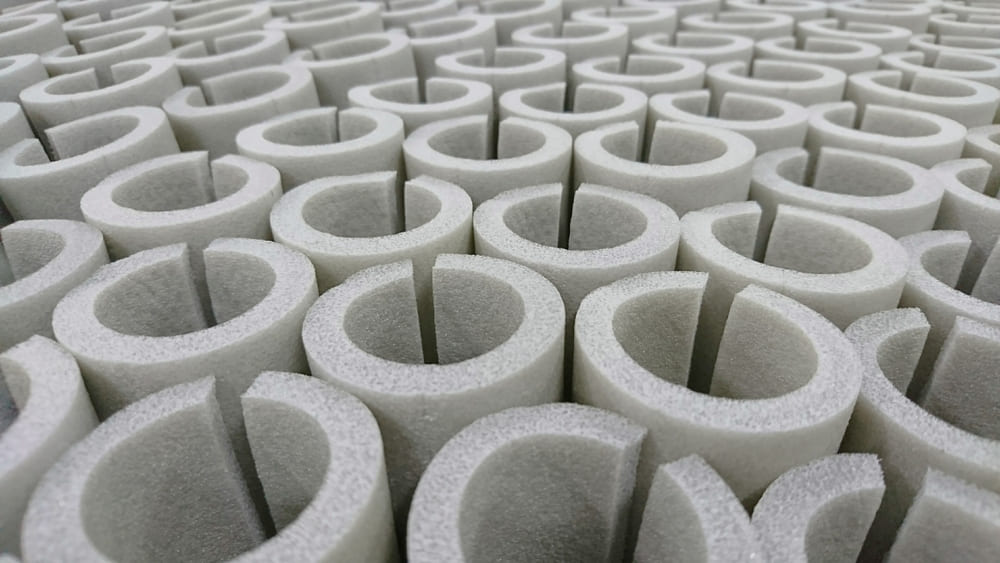
The most commonly used materials for pipe insulation include expanded polyethylene, elastomeric rubber, mineral wool and polyurethane foam. The choice of material depends on the type of installation, the temperature of the transported fluid and the environment in which the pipes are installed.
Does Pipe Insulation Help Save Energy?
Yes, insulation reduces heat transfer between the pipe and the surrounding environment, limiting heat loss and improving system efficiency. In some situations, proper insulation can significantly reduce a building’s energy costs.
When Is Pipe Insulation Installation Recommended?
Pipe and pipeline insulation should be installed when the installation is fitted or when existing systems are modernised. It is particularly recommended for pipes exposed to low temperatures, heating installations or HVAC systems.
Pipe and pipeline insulation is an effective solution for reducing energy losses, protecting installations and maintaining the optimum temperature of transported fluids. Choosing the right material and installing the insulation correctly can significantly improve the efficiency of heating, cooling or water-supply systems.
Would you like to improve installation performance and reduce energy costs? Contact the INATECH Packaging specialists and discover our range of pipe and pipeline insulation. Request recommendations and choose the right solution for your project!