

The Benefits of Reflective Insulation
If you manage a production facility, warehouse or logistics space, you know how strongly temperature affects operating costs. In uninsulated attics, beneath metal roofs or in technical lofts, heat loss quickly increases energy bills. Reflective insulation directly addresses this issue through a mechanism that differs from conventional materials.
To make the right choice, you need to understand how heat is lost and where this type of construction material comes into play. This allows you to decide whether to use it as the main solution or integrate it into a combined system adapted to Romania’s climate and the specific characteristics of your building.
How Heat Transfer Occurs in a Building
A building loses energy through three mechanisms: conduction, convection and radiation. Each works differently and requires an appropriate approach:
Conduction
Conduction occurs when heat passes through solid materials. For example, in an uninsulated exterior wall of an industrial facility, heat moves through the masonry from the inside to the outside during the cold season. The higher the material’s thermal conductivity, the faster the heat loss.
Convection
Convection involves the movement of air. Warm air rises, while cold air falls. In attics or technical spaces with poor sealing, air currents carry heat outside. In most cases, gaps around roof panels or poorly sealed joints intensify this effect.
Thermal Radiation
Thermal radiation is transmitted through infrared waves and does not require direct contact. In summer, a roof exposed to sunlight radiates heat indoors. In winter, cold surfaces “draw” thermal energy from the interior. In spaces with metal surfaces or strong solar exposure, radiation has a significant impact on thermal comfort. Reflective insulation primarily acts on radiation, but it can also help limit the other two mechanisms when installed correctly.
What Is Reflective Insulation and How Does It Work?
Reflective insulation is a material made of aluminized layers, sometimes combined with air bubbles, polyethylene foam or other intermediate layers. The metallized surface has low emissivity and reflects a large portion of infrared radiation.
The principle is simple: instead of absorbing heat, the material reflects it back towards the source. For consistent results, you need to leave an air gap between the foil and the adjacent surface, usually 2–3 cm for standard applications. Without this air layer, performance decreases.
There are two common variants:
- radiant barriers with a single reflective layer;
- multilayer insulation, which includes several foils separated by air gaps or low-conductivity materials.
In facility attics, beneath metal roofing or in technical lofts, the multilayer option provides additional protection against summer overheating. See also the benefits of insulation for pipes and conduits, with products and services from INATECH Packaging.
How It Affects the Three Types of Heat Transfer
Reducing Radiation
The aluminized surface can reflect up to 95–97% of infrared radiation, depending on the product and installation. In a facility with a south-facing metal roof, insulation installed beneath the sheeting reduces the indoor temperature felt on hot days. As a result, ventilation or air-conditioning systems operate more efficiently.
In winter, the material reflects heat generated by heating systems back into the space, limiting heat loss through the roof.
Limiting Conduction
Trapped air layers and intermediate materials reduce direct contact between surfaces. Conductive performance does not completely replace mineral wool or polystyrene, but it complements the existing system. In industrial projects, combining materials generally delivers the best results.
Reducing Convection
If you properly seal the joints with suitable tape and follow the installation details, reflective insulation reduces uncontrolled air circulation. In attics or suspended ceilings, this stabilizes the temperature and reduces the load on HVAC equipment.

Recommended Applications in Construction
Attics and Lofts
In most buildings, significant amounts of energy are lost through the roof. Installed beneath the rafters or roofing, reflective insulation reduces overheating in summer and limits heat loss in winter. Leave an air gap and avoid compressing the material. For habitable lofts, specialists often recommend a combined system and thermal insulation accessories: mineral wool between the rafters and reflective foil facing the interior.
Metal Roofs and Industrial Facilities
Metal sheeting heats up quickly in the sun. In an automotive production facility or logistics warehouse, this affects employee comfort and may influence temperature-sensitive processes. Reflective insulation applied beneath the roofing reduces radiant heat transfer and protects the structure from significant temperature fluctuations.
Interior and Exterior Walls
On interior walls, the material takes up little space and can be installed relatively quickly. This is important during renovations. On ventilated façades or in lightweight systems, reflective foil can complement the primary thermal insulation layer.
Pipes and Installations
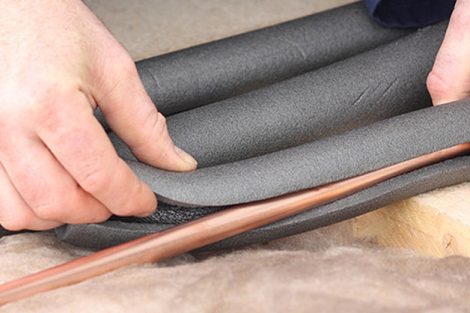
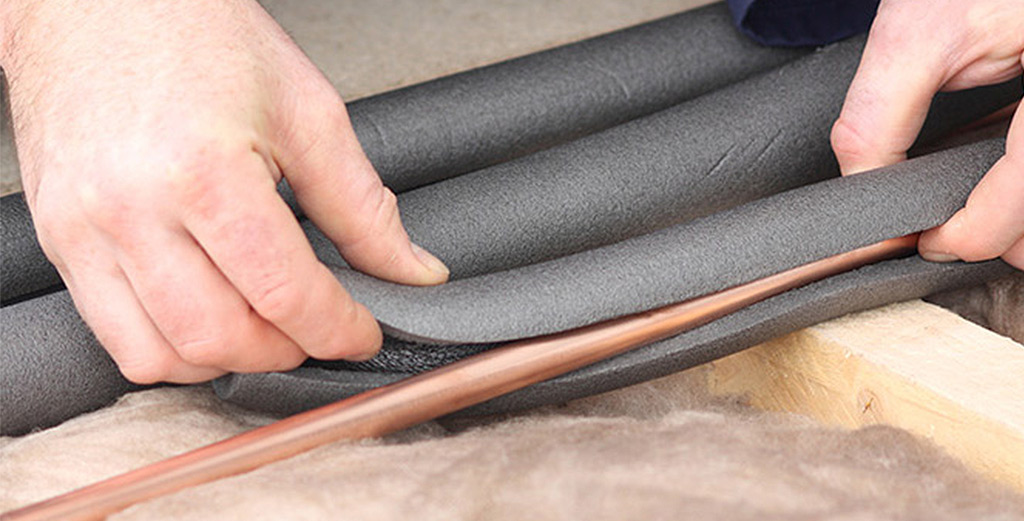
In technical spaces, insulating hot-water or air-conditioning pipes reduces energy losses and limits condensation. For industrial use, choose products that are certified and resistant to moisture.
Advantages and Limitations
The advantages include reduced thickness, low weight and clean installation. The material does not produce irritating fibres and does not absorb water, reducing the risk of mould under normal operating conditions. In the long term, you can reduce air-conditioning costs, especially in spaces with high solar exposure. The investment pays off gradually through lower energy consumption.
However, reflective insulation does not completely replace conventional materials in areas with severe winters. In Romania’s climate, use it frequently as part of a hybrid system. Consult a construction specialist to calculate the required thermal resistance in accordance with national regulations, such as requirements concerning the U-value for walls and roofs.
Installation Recommendations and Safety Measures
Install the material only with qualified personnel or under the supervision of a specialist. Follow site safety regulations: use personal protective equipment, secure scaffolding and avoid working on roofs without safety systems.
Do not compress the foil between two surfaces without an air gap. Seal the joints with compatible tape. Avoid direct contact with unprotected electrical installations. Consider the building’s orientation, climate zone and intended use. A facility in southern Romania exposed to intense sunlight has different requirements from a warehouse in a mountainous area.
Impact on Energy Performance and the Environment
By reducing energy consumption for heating and cooling, reflective insulation helps lower emissions associated with building operation. Quality materials perform well over time and retain their properties when installed correctly. This allows you to conserve resources and optimize operating costs. For companies focused on efficiency and social responsibility, this supports sustainability objectives.
Integrated Solutions for Protection and Efficiency
If you manage a business in construction, manufacturing or logistics, you need partners who understand technical requirements and the pace of your projects. INATECH Packaging, a complete packaging solutions provider, also offers thermal protection and reflective insulation materials, alongside an extensive portfolio of thermal packaging, e-commerce packaging, eco-friendly packaging and protection solutions for various industries. You can find products certified for industrial use, including FSC solutions, professional packaging machines and equipment, sealing and wrapping systems, and warehouse equipment.
Frequently Asked Questions About Reflective Insulation
Can reflective insulation be used as the only thermal insulation solution?
In certain applications, yes, particularly in unheated spaces or areas where solar radiation dominates heat transfer. For permanently heated buildings, specialists often recommend combining it with conventional materials to achieve the values required by Romanian regulations.
Is it also suitable for non-industrial customers?
Yes. Although it is frequently used in industrial facilities, warehouses and commercial buildings, the solution can also be applied in homes, lofts or garages. Choose the right product with the help of a specialist and check the technical specifications.
What mistakes commonly occur during installation?
The most common errors are the lack of an air gap, insufficiently sealed joints and installation without following safety regulations. Avoid these situations and work with qualified teams to achieve the desired performance.
Reflective insulation is an efficient solution for optimizing the energy performance of buildings, reducing heat loss and increasing thermal comfort in any type of space. By reflecting thermal radiation and complementing conventional insulation systems, this type of material contributes to lower energy consumption and long-term protection of the building structure.
Using modern materials and solutions adapted to your project can make the difference between ordinary insulation and a truly efficient system. That is why choosing the right products and obtaining technical advice are important steps towards achieving the desired results.
Discover the benefits of reflective insulation and choose the right solutions for your project! Contact the INATECH Packaging specialists and benefit from expert support in optimizing your thermal insulation.