

Most Common Packaging Materials: Benefits and Uses
The Importance of Choosing the Right Packaging Materials
Packaging is not just a covering – it provides protection, identity and marketing value and is sometimes a key factor in the purchasing decision. In today’s context, where e-commerce, sustainability and customer experience matter more than ever, choosing the right packaging materials is essential.
Annual packaging costs can reach billions of dollars globally, making efficiency and optimisation priorities for companies. Choosing the wrong packaging can lead to physical product damage, customer dissatisfaction and financial losses. By contrast, well-chosen and well-designed packaging can differentiate a brand, position it as sustainable and reduce logistics costs.
It is important to carefully analyse the types of materials used for packaging, the appropriate packaging methods and the industrial packaging solutions available for each product category.
The 5 Most Common Packaging Materials
1. Plastic – Flexible, Efficient and Adaptable
Plastic remains one of the most common packaging materials worldwide. It includes multiple variants, each with specific properties:
-
HDPE (High-Density Polyethylene) – used for bottles and rigid containers;
-
PET (Polyethylene Terephthalate) – water and soft-drink bottles and food packaging;
-
LDPE (Low-Density Polyethylene) – films, flexible bags and VCI anti-corrosion packaging;
-
LLDPE (Linear Low-Density Polyethylene) – stretch film for industrial packaging.
Advantages:
-
Easy to process;
-
Resistant to moisture, chemicals and impact;
-
Adaptable to the product, from liquids to industrial components;
-
Low production and transport costs.
Uses:
-
Primary packaging: bottles, jars and food-grade bags;
-
Secondary packaging: stretch film and bundling film;
-
Tertiary packaging: industrial sacks and pallet-wrapping films.
Plastic is an affordable and efficient solution, but in recent years, pressure for sustainability has led to the development of biodegradable and recyclable plastics, as well as wooden packaging, which reduces environmental impact.
2. Cardboard and Paper – Classic and Eco-Friendly
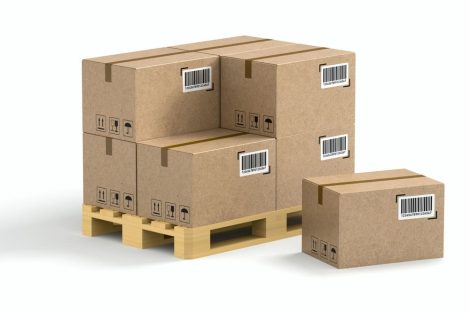
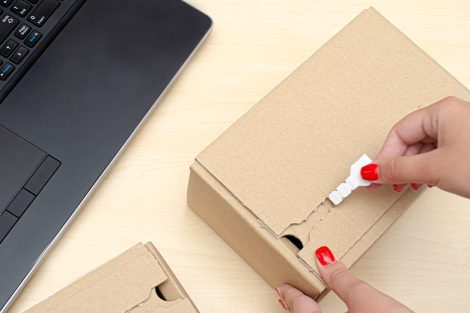
Cardboard and paper are considered some of the most sustainable packaging materials. They are eco-friendly packaging options that are recyclable, easy to customise and widely used in retail, e-commerce, the food industry and beyond.
Types of cardboard:
-
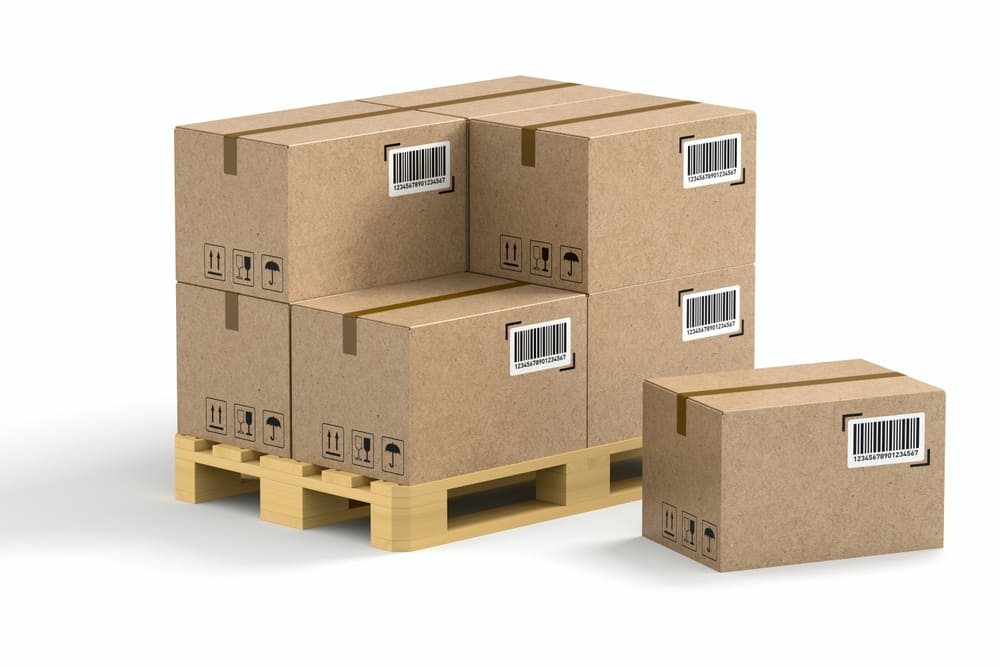
Corrugated cardboard packaging – for transport;
-
Duplex board – for cosmetic and pharmaceutical packaging;
-
Kraft paper – used for bags and wrapping paper.
Advantages:
-
Recyclable and biodegradable;
-
Low cost;
-
Easy customisation, including branding, labels and printed design;
-
Easy to store and transport.
Uses:
-
Boxes for transport and storage;
-
Presentation packaging;
-
Paper bags, labels and inner packaging.
For companies that promote sustainability, cardboard, wood and paper packaging is often the ideal choice, offering a balance between functionality and environmental responsibility.
3. Glass – Elegance, Strength and Infinite Recyclability
Glass is a symbol of quality and durability. It is frequently used in the food, cosmetic and pharmaceutical industries because it does not react chemically with the product and can be recycled indefinitely without loss of quality.
Advantages:
-
Does not affect the taste, smell or composition of the product;
-
100% recyclable without loss of quality;
-
Elegant, premium appearance;
-
Resistant to high temperatures.
Uses:
-
Bottles for alcoholic and non-alcoholic beverages;
-
Jars for food and artisan products;
-
Bottles for perfumes and cosmetic products.
Although it is heavier and more fragile than other materials, glass adds perceived value and conveys an impression of superior quality.
4. Aluminium – Complete Barrier Protection and Attractive Design
Aluminium is a lightweight material that is extremely effective at protecting contents from external factors such as light, oxygen and moisture. It is increasingly used in modern packaging, including in combination with other materials.
Advantages:
-
Effective barrier against contaminants;
-
Recyclable without loss of quality;
-
Lightweight and malleable;
-
Visually attractive, with metallic and embossed effects.
Uses:
-
Beverage cans and food tins;
-
Films for food, cosmetic or pharmaceutical packaging;
-
Sealed packaging for perishable products.
As it is easy to shape and decorate, aluminium is also an excellent choice for luxury or promotional packaging.
5. Textiles and Biodegradable Materials – Sustainability in Action
The global trend towards reducing plastic use has accelerated the adoption of alternative, biodegradable and textile packaging.
Types of biodegradable materials:
-
PLA – plant-based plastic made from corn;
-
Pressed cellulose pulp – used for trays and protective inserts;
-
Cotton, hemp and jute textiles – reusable and environmentally friendly.
Advantages:
-
Compostable or recyclable;
-
Natural and authentic design;
-
Appeal to environmentally conscious customers;
-
Easy to customise.
Uses:
-
Packaging for artisan products;
-
Reusable bags for organic shops;
-
Solutions for packaging handmade products.
These materials not only protect the product, but also provide a clear statement about the brand’s positioning in the ecological market.
How to Choose the Right Packaging Material
To make the right choice of packaging materials, consider the following:
-
Product type – Is it fragile, liquid, heavy or perishable?
-
Target audience – What values do they appreciate: aesthetics, sustainability or functionality?
-
Budget – Premium or economical materials?
-
Transport and storage methods – Do you need protection against extreme temperatures or moisture?
-
Environmental impact and corporate responsibility – Eco-friendly packaging is increasingly in demand.
Combining these factors will help you choose the best packaging materials for your products.
5 Practical Tips for Efficient and Sustainable Packaging
-
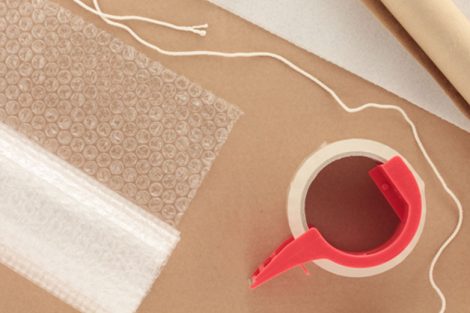
Adapt packaging methods to the product – a fragile product needs cushioning, while a liquid product needs sealing.
-
Avoid oversized packaging – packaging should be as compact as possible to reduce logistics costs.
-
Use reusable types of packaging – especially in B2B or for high-value products.
-
Use clear labels and indicate recycling information – informing the customer is part of sustainability.
-
Embrace innovation – test smart and biodegradable packaging or packaging with interactive features such as QR codes and AR.
Combined Packaging – Hybrid Solutions for Maximum Performance
A growing trend is the use of packaging that combines several materials to maximise the benefits of each one. For example, packaging made from kraft paper on the outside and aluminium foil on the inside provides mechanical strength and a barrier against moisture and light.
Advantages:
-
Superior protection performance;
-
Cost-versus-performance optimisation;
-
Can be customised for different industries, including food, pharmaceutical and cosmetic.
These solutions are ideal for sensitive or expensive products, where packaging quality can directly influence product safety and consumer confidence.
Global Trends in Industrial Packaging Solutions
Industrial packaging solutions are evolving rapidly worldwide. Packaging process automation, the use of sensors to monitor temperature and the integration of QR codes for traceability are just a few examples.
Current examples:
-
Smart packaging with NFC labels for authenticity;
-
Modular industrial packaging solutions that can be adjusted on the production line;
-
The use of robots for sealing and automated palletising.
These modern packaging methods not only optimise processes, but also reduce waste, human error and resource consumption.
Common Packaging Selection Errors and How to Avoid Them
Many manufacturers choose packaging materials without first analysing their compatibility with the product or distribution conditions.
Common errors:
-
Choosing packaging that is too weak for a fragile product;
-
Using oversized packaging that increases transport costs;
-
Ignoring legal requirements, such as special markings for chemical or pharmaceutical products;
-
Using packaging that is difficult to recycle and damages the brand image.
The solution: consult packaging specialists, request samples, test under real conditions and do not underestimate the role of packaging in customer loyalty.
The Future of Packaging: Sustainability, Innovation and Customisation
In the coming years, the focus will be on developing packaging types that are completely compostable as well as intelligent. Customer-specific packaging, particularly in e-commerce, will become standard.
Predictions:
-
Packaging made from mushrooms, algae or organic waste;
-
Direct-to-packaging printing technologies with dynamic messages;
-
Predictive packaging that indicates the product’s freshness level.
To remain competitive, brands must combine aesthetics with functionality, environmental responsibility and technological innovation.
Packaging is a strategic point of contact with the customer, and choosing the best packaging materials has a direct impact on operational efficiency and brand image. Whether you choose plastic for flexibility, cardboard for cost efficiency, glass for luxury or textiles for sustainability, the important thing is to ensure functionality, protection and appeal. Adapting to new environmental requirements and customer preferences will differentiate companies in the years ahead.