

CO3 vs CO5: 7 Key Differences to Help You Choose the Right Cardboard Boxes
Choosing the right type of corrugated cardboard directly affects how your products arrive at their destination. If you ship dozens or hundreds of parcels every day in cardboard boxes, every detail matters: stacking strength, impact protection, packaging weight and the total cost per shipment.
CO3 and CO5 are the most widely used types of corrugated cardboard in industry. They are used in e-commerce, manufacturing, automotive, electronics, pharmaceuticals and logistics. Although they may look similar at first glance, their internal structure creates clear performance differences. If you want to optimize the quality-to-price ratio and reduce the risk of damage, find out from INATECH Packaging what each option offers and when it is suitable.
What do CO3 and CO5 mean for cardboard boxes?
Corrugated cardboard is a composite material made up of layers of paper bonded together. The fluted inner layer, known as the “flute”, creates air pockets that absorb shocks and provide mechanical strength.
CO3 (3 layers) Includes two flat layers (outer and inner liners) and a single fluted layer in the middle. It is also known as single wall. It provides good protection for standard applications and an advantageous quality-to-price ratio.
CO5 (5 layers) Includes three flat layers and two alternating fluted layers. It is the double wall option. The double structure increases thickness, rigidity and compression strength.
The difference in construction directly affects stacking capacity, impact protection and stability during transport.
1. Compression and stacking strength
If you store goods on pallets or ship products through logistics chains involving repeated handling, compression strength becomes a major criterion.
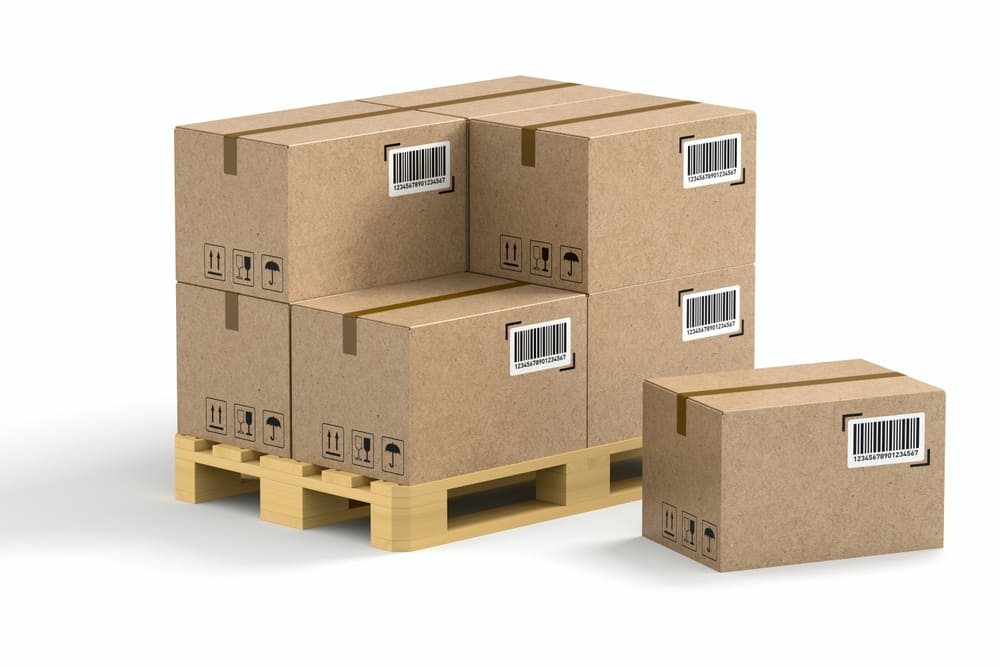
In most cases, CO5 supports 1.5 to 2 times more weight than a similar CO3 box. The BCT (Box Compression Test) confirms this difference. The two fluted layers distribute pressure evenly and reduce the risk of deformation in boxes at the bottom of the pallet.
For example:
- an automotive components manufacturer stacking 5–6 levels per pallet will need CO5 for stable results;
- an online store shipping items weighing under 5 kg, without prolonged stacking, can use CO3 without any problems.
If you are planning long-term storage, choose CO5. If goods move quickly and stacking is limited, CO3 meets standard requirements.
2. Shock and impact protection
The air pockets in the corrugated structure absorb vibrations and shocks occurring during transport. The more complex the structure, the greater the protection, ensuring professional packaging that is safe and compliant with the standards in your industry.
CO5 protects fragile products more effectively:
- electronic equipment;
- medical devices;
- aerospace components;
- glass or ceramic parts.
CO3 works well for compact, durable products such as:
- textiles;
- footwear;
- accessories;
- hard plastic parts.
If you ship goods by express courier, with domestic routes and limited handling, CO3 may be sufficient. For exports or long-distance transport, where parcels pass through several logistics centres, CO5 reduces the risk of damage and, consequently, return costs.
3. Packaging weight and its impact on transport costs
CO5 is heavier than CO3 for the same dimensions. The difference can reach 40–60%, depending on the type of paper used.
For e-commerce deliveries, where thousands of shipments are handled every month, this difference directly affects the operating budget. If your products are lightweight and durable, CO3 helps you keep costs under control.
However, if you sell high-value equipment, the additional cost of CO5 cardboard becomes justified. A single damaged item can quickly exceed the savings made on packaging.
Always analyse the total cost: packaging + transport + potential losses.
4. Thickness and structural rigidity
CO3 is generally approximately 3–4 mm thick. CO5 frequently reaches 6–8 mm.
This difference affects the rigidity of the box, especially for larger dimensions.
For boxes larger than 60x40x40 cm or for heavy products, CO5 maintains its shape and prevents the walls from bowing. In warehouses with variable humidity, the thicker structure performs more consistently.
For small and medium-sized boxes, CO3 provides sufficient stability and is easier to handle.
Both options can be customized using flexographic or offset printing. INATECH Packaging provides customization services for standard or special boxes, including branding and dimensions adapted to your product.
5. Recommended applications
CO3 – suitable for:
- online stores with products weighing under 5–7 kg;
- retail distribution;
- household items;
- textile products;
- secondary packaging in manufacturing.
It is a frequent choice for e-commerce and companies that prioritize operational efficiency.
CO5 – recommended for:
- the automotive industry;
- electronics and IT;
- furniture manufacturing;
- industrial equipment;
- palletized exports;
- medium- and long-term storage.
Companies in logistics, warehousing or manufacturing that need stacking stability frequently choose CO5 for additional safety.
6. Comparison with CO7 and other types of cardboard
CO7 (7 layers) includes three fluted layers and four flat layers. It is used for very heavy equipment or industrial applications where cardboard can replace wooden crates.
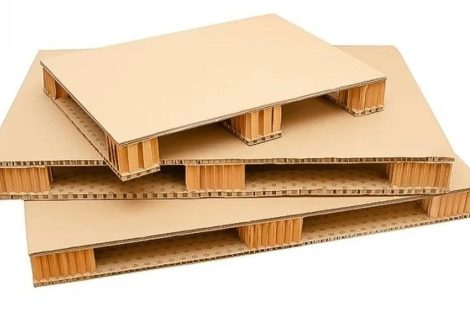
Pressed cardboard, unlike corrugated cardboard, has a compact structure. It provides high rigidity but does not absorb shocks as effectively. It is mainly used for dividers, supports or applications requiring flatness and bending resistance.
In practice, many companies combine CO3 or CO5 boxes with internal corrugated cardboard dividers or additional protection solutions.

7. Price-performance ratio and sustainability
CO3 remains an efficient solution for standard applications and large volumes. CO5 becomes cost-effective when you are protecting expensive or heavy products.
Both options can be made from recyclable paper and FSC-certified materials. INATECH Packaging supplies corrugated cardboard boxes made from raw materials that comply with European standards and offers products certified for industrial use throughout the logistics chain.
If sustainability is part of your strategy, you can choose eco-friendly packaging and dimensionally optimized solutions to reduce material consumption and the space occupied during transport.
How do you choose correctly between CO3 and CO5?
Here is a simple way to analyse your options:
| Criterion | CO3 | CO5 |
|---|---|---|
| Product weight | light–medium | medium–heavy |
| Fragility | low | high |
| Stacking | limited | intensive |
| Export | rare | frequent |
| Transport cost | optimized | higher |
Ask yourself:
- How many levels will you stack on a pallet?
- What is the value of the product?
- How much handling will the parcel undergo before reaching its destination?
- How often do returns occur due to damage?
If the project is complex, consult a packaging engineer or the supplier’s technical team.
Complete packaging solutions for your business
INATECH Packaging is a complete packaging solutions supplier for companies in Romania. In addition to CO3 and CO5 boxes, you have access to:
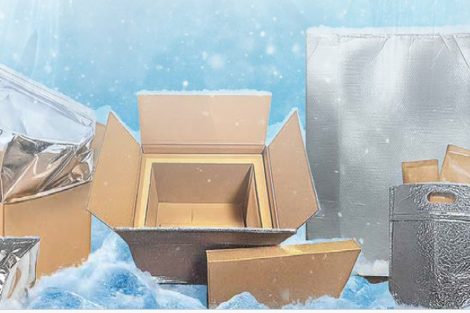
- thermal insulation packaging for temperature-sensitive products;
- e-commerce packaging;
- eco-friendly packaging;
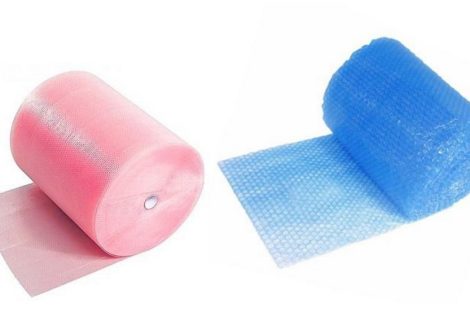
- foam, film or cardboard protection solutions;
- sports and leisure packaging;
- professional packaging machinery and equipment;
- sealing and wrapping systems;
- warehouse equipment.
If you want to choose correctly between CO3 and CO5, request a technical assessment and test the option that best suits your company.
Frequently asked questions about CO3 and CO5 cardboard boxes
What is the structural difference between CO3 and CO5?
CO3 has a single fluted layer between two flat layers, while CO5 includes two fluted layers and three flat layers. The additional structure increases compression strength and impact protection.
Can I customize CO3 and CO5 boxes with a logo and special dimensions?
Yes. INATECH Packaging offers complete customization: dimensions adapted to the product, logo printing, commercial messages and special structural solutions. The technical team can propose optimizations to reduce material consumption.
Are these boxes also suitable for non-industrial customers?
Yes. Although most requests come from industry, CO3 and CO5 boxes can also be ordered by small businesses, for special projects or occasional use, depending on availability and quantity.
The difference between CO3 and CO5 cardboard is not only about thickness, but also about the level of protection, transport resistance and long-term cost efficiency. The right choice can reduce returns, protect fragile products and optimize logistics.
Whether you need lightweight boxes for standard products or strong packaging for heavy transport, the right solution is available — it simply needs to be adapted to your actual requirements. Contact INATECH Packaging specialists to choose the optimal type of cardboard for your products and achieve the perfect balance between protection, cost and efficiency.