

How Is Bubble Wrap Made?
Bubble wrap helps protect fragile items, whether you are delivering products to customers, organising a warehouse or packing electronic equipment at the office. It has quickly become a preferred solution for keeping goods safe, thanks to its efficiency and flexibility. Many people use bubble wrap every day, but few know how this packaging material is made. In this article, you will find details about the manufacturing process, materials, history and practical recommendations for responsible use and recycling.
What makes bubble wrap so useful?
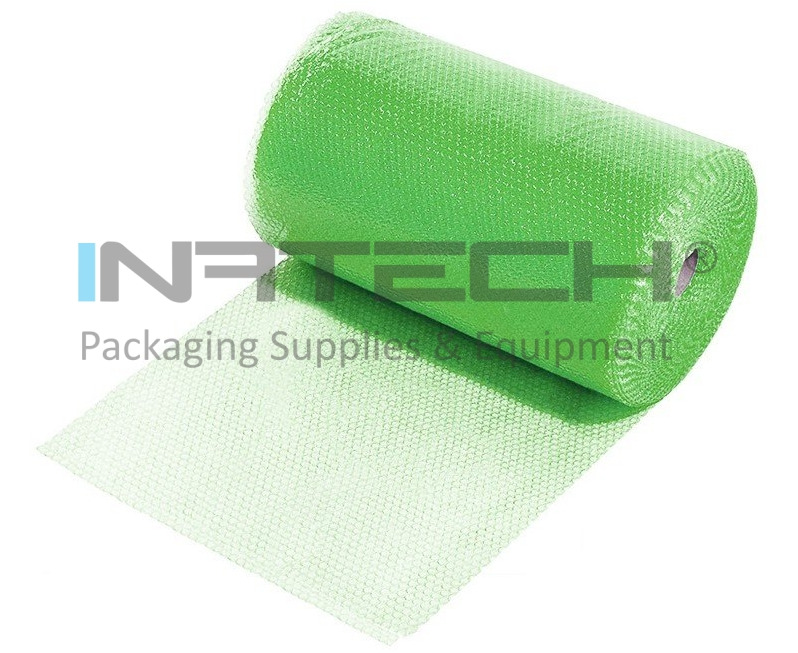
Bubble wrap – also known as bubble wrap – protects items during transport and reduces the risk of damage. You can use it to protect electronic components, glass objects or automotive parts. Logistics companies and online retailers choose bubble wrap because it easily adapts to the shape of any product, takes up little space and weighs very little. For example, when packing a laptop, the film absorbs shocks and prevents scratches. Several types of film are available, with the most commonly used being bubble wrap and expanded polyethylene film.
The raw materials used to make bubble wrap
The manufacturing process starts with small polyethylene granules. Low-density polyethylene (LDPE) is used mainly, sometimes together with high-density polyethylene (HDPE). These materials are known for their elasticity and good mechanical resistance, providing both flexibility and the ability to retain air. The quality of the granules directly affects the film’s clarity, thickness and level of protection.
INATECH Packaging recommends using certified raw materials, including recyclable options or materials with recycled content. This is important if you are pursuing a responsible packaging process or want to comply with environmental standards at company level. Several types of bubble wrap are available for different products:
| Type of bubble wrap | Main features | Recommended for: |
|---|---|---|
| Small-bubble film (LDPE) | Fine bubbles, flexible, lightweight | Small fragile items – tableware, electronics, cosmetics |
| Large-bubble film (HDPE) | Large bubbles, thick layer, strong cushioning | Bulky products – furniture, industrial equipment |
| Double-layer film (2 layers) | Greater resistance to shocks and tearing | Long-distance transport, heavy items |
| Antistatic film (ESD) | Protects against electrostatic discharge | Electronic components, appliance packaging, IT parts |
| Metalised film (reflective) | Protects against heat, light and moisture | Products sensitive to temperature and light |
| Biodegradable / recycled film | Made from environmentally friendly materials | Sustainable and recyclable packaging |
| Tubular bubble wrap | Tube-shaped, for efficient packaging | Long products – pipes, cables, picture frames |
| Bubble mailers | Secure closure, protects the contents | Postal shipments, documents, small accessories |
The manufacturing process: how is bubble wrap made?
Bubble wrap manufacturing involves a series of technological steps, each designed to create the desired shape and function:
Melting and extruding polyethylene
Operators feed polyethylene granules into specialised equipment. Here, the material melts at a temperature of approximately 450°C. This produces a uniform film, ready for the next stage of the process.
Forming the air bubbles
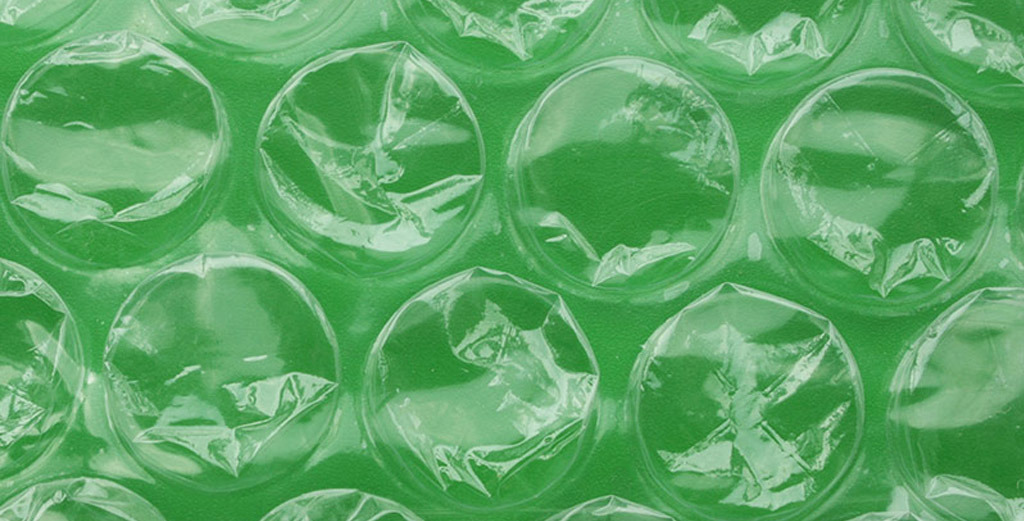
The heated film passes over a cylinder with perforated cavities. Through suction, each cavity fills with air, forming the familiar bubbles. This step gives the film its ability to cushion shocks caused during handling or transport.
Sealing the bubbles
A second layer of film is added over the first, and the equipment presses and seals the edges. The air therefore remains enclosed in the bubbles, giving the film increased effectiveness as protective packaging.
Cooling, cutting and winding
The film is cooled quickly, then cut to the required dimensions and wound. Bubble wrap may be supplied in rolls, cut sheets or tubes. For products with unusual shapes, tubular bubble wrap is available.
Most factories use automated equipment to achieve high productivity and consistent quality.
A brief history: inventors and early applications
Alfred Fielding and Marc Chavannes invented bubble wrap in 1957, initially attempting to create a new type of wallpaper. The project quickly became an innovative packaging solution, first used by IBM in 1961 to protect computers. Sealed Air registered the name and developed the product on an industrial scale.
How do you use bubble wrap correctly?
To make the most of the film’s benefits, follow a few simple steps:
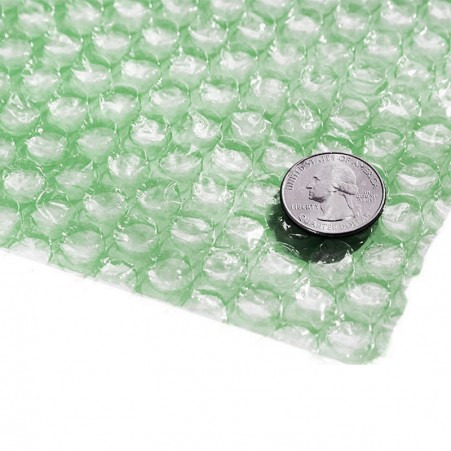
- place the bubbles towards the item – position the film so that the bubbles sit directly against the product’s surface. This provides optimal impact protection;
- wrap each item individually – for fragile parts, wrap each object separately and secure the film with adhesive tape;
- separate the items – if you have several products in one parcel, place strips of film between them to prevent collisions;
- choose the right packaging – for letters or small products, opt for protective mailers.
Recycling bubble wrap – eco-friendly options
Polyethylene bubble wrap complies with recycling regulations for plastic packaging. For companies focused on sustainability, films made from recycled material or manufactured through an energy-efficient production process are available. INATECH Packaging offers a wide range of eco-friendly packaging, enabling collection and recycling to be carried out quickly and efficiently.
Recycling bubble wrap involves collecting, sorting and reprocessing it into new plastic materials. Here are the main steps:
- cleaning and sorting: the film must be cleaned of any adhesive tape, label or dirt.
- proper storage: it should be rolled and compacted to save space.
- taking it to collection points: the film can be placed in containers intended for plastic or at specialised centres that accept LDPE.
Companies wishing to adopt a more environmentally friendly packaging model have several eco-friendly options:
- biodegradable film – made from materials that decompose naturally in a shorter period.
- recycled film – made from already recycled plastic, reducing the consumption of new resources.
- material-reduced film – provides the same protective performance but uses less polyethylene during production.
Frequently asked questions about bubble wrap
What is bubble wrap and what is it used for?
Bubble wrap is a packaging material made from layers of polyethylene with small air-filled bubbles. It is used to protect fragile items during transport, storage or handling, preventing scratches, mechanical shocks and damage.
What are the advantages of bubble wrap compared with other packaging materials?
Bubble wrap is lightweight, flexible and effective at absorbing shocks. It adapts to the shape of any item and takes up little space, making it ideal for packaging products of different sizes and shapes. It is also reusable and recyclable.
How is bubble wrap made?
The manufacturing process starts by melting polyethylene granules, which are transformed into thin films. These pass over special cylinders with cavities where air bubbles are formed through suction. The layers are then pressed and sealed to retain the air inside.
What types of bubble wrap are available?
Several types are available: small-bubble film for fragile and lightweight items, and large-bubble film for bulky products. Antistatic film for electronic equipment and tubular film for packaging elongated products are also available.
How should bubble wrap be used correctly?
The bubble side should be placed directly against the item to absorb shocks effectively. Fragile items should be wrapped individually, and the film secured with adhesive tape. When several products are packed together, additional layers of film should be used to separate them.
Is bubble wrap recyclable?
Yes. Bubble wrap is generally made from low-density polyethylene (LDPE), a recyclable material. To help protect the environment, it should be placed in containers intended for plastic collection rather than disposed of with household waste.
Can bubble wrap be reused?
Yes, if the bubbles are intact and the film is not damaged, it can be reused several times. Many companies reuse it to package products, thereby reducing costs and plastic waste as they move towards the circular economy.
What standard sizes are available for bubble wrap?
Bubble wrap is usually sold in rolls with widths between 30 cm and 150 cm, while lengths range from 50 m to 100 m. Cut-to-size options, bubble mailers and bubble tubes are also available.
What should I consider when choosing the right film?
Choose the thickness and bubble size according to the type of product. For small and delicate items, choose thin film with small bubbles; for heavy or bulky items, opt for large bubbles and a double layer of protection.
Where can I buy quality bubble wrap?
Bubble wrap can be ordered online from specialised suppliers such as INATECH Packaging, which offers certified products, including eco-friendly and recyclable options suitable for the needs of companies and individual users.
Bubble wrap provides a practical solution for protecting products in warehouses, supply operations or shipping. The manufacturing process is based on safe materials and efficient methods, while modern technologies allow it to be adapted to a wide range of requirements. For efficient packaging, choose the right film and follow recycling instructions. Ask INATECH Packaging specialists for advice on complex projects or consult the technical details before use.