

Plastic Recycling: Effective Methods and Collection Rules
What Is Plastic?
Plastic is an extremely versatile synthetic material composed of polymers, which are large molecules formed by repeating smaller units called monomers. This material is widely used in the packaging, construction, medical, electronics and many other industries. Plastic is preferred for its strength, low weight and low production cost. However, plastic is largely made from non-renewable fossil resources such as oil and natural gas, making plastic recycling essential for reducing its environmental impact.
Before learning about effective recycling methods, it is important to understand what plastic is and what types exist. In general, plastic is divided into several categories based on its chemical composition and properties, such as PET, HDPE, PVC, LDPE, PP and PS. Knowing these types helps us correctly separate packaging for recycling and avoid contaminating waste streams.
When recycling plastic packaging, it is important for materials to be clean, dry and correctly sorted to ensure a high quality of recycled products. If you want to actively contribute to environmental protection, make sure you correctly separate plastic bags, packaging and other plastic items before taking them to collection points. In addition to having a positive environmental impact, this supports the development of the recycling industry and helps reduce the consumption of raw materials.
Find out how to correctly recycle paper packaging: tips and tricks!
How Is Plastic Produced?
Plastic production begins with the extraction of crude oil, which is then subjected to complex chemical processes to create monomers. These monomers are subsequently transformed into polymers through a process called polymerisation, which links the small molecules into long chains that form plastic. There are two main types of polymerisation: addition and condensation, each with different applications depending on the type of plastic required.
After polymerisation, plastic can be processed into various forms, such as sheets, granules or fibres, depending on the needs of the industry. For example, low-density polyethylene (LDPE), which is flexible and durable, is mainly used to manufacture plastic bags. Other types, such as high-density polyethylene (HDPE), are used for bottles or rigid containers.
It is important to remember that plastic manufacturing consumes significant amounts of energy and natural resources, while the continued production of new plastic contributes to environmental pollution. For this reason, plastic recycling is a vital component of the circular economy, helping reduce the negative impact on nature and conserve resources.
If you want to be part of the change, start by learning how to correctly recycle plastic packaging and choose products with eco-friendly packaging on inatech-shop.ro. This way, you not only reduce waste but also support responsible companies.
The Importance of Plastic Recycling
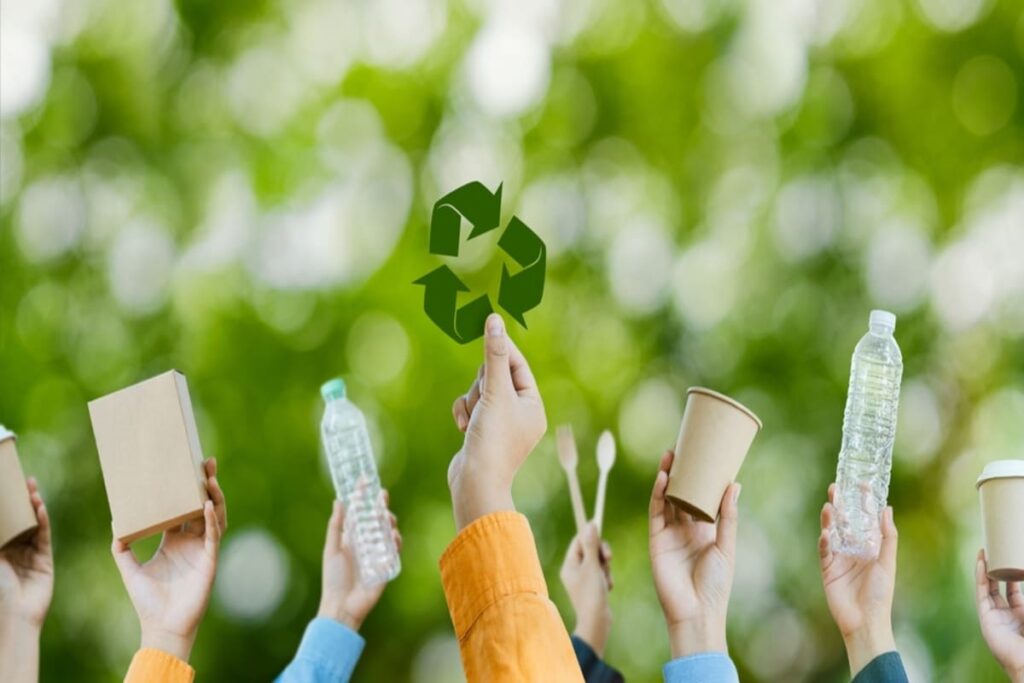
Plastic recycling plays an essential role in protecting the environment by preventing the massive accumulation of waste in nature and the oceans. Plastic takes hundreds of years to break down, and inadequate waste management leads to extreme pollution, affecting wildlife and vegetation.
In addition, recycling reduces the need to extract oil, lowering greenhouse gas emissions and energy consumption. The plastic recycling process enables materials to be reused in the manufacture of recycled plastic products, such as street furniture, new packaging, equipment and other products, thus contributing to the circular economy.
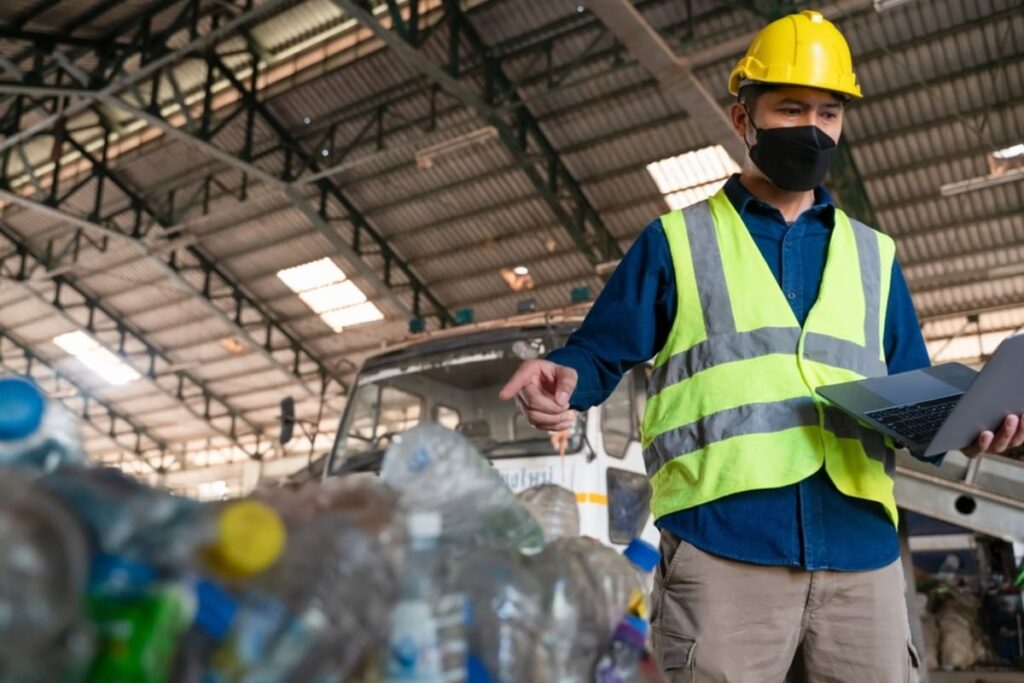
A very important aspect of plastic recycling is proper plastic collection, achieved by separating it at source and cleaning packaging before handing it in. This improves the quality of recycled material and reduces the risk of contaminating batches, which can make plastic impossible to recycle.
To support this process, it is recommended that you stay informed about the latest changes to regulations on recyclable packaging and use plastic products with clear markings indicating the type of plastic.
Plastic Packaging That Can Be Recycled
Not all plastic packaging is recyclable, but many common types can be successfully collected and processed. These include:
-
PET bottles (polyethylene terephthalate), used for packaging soft drinks, water and juice. These are easy to recycle and have a broad market for reuse.
-
Plastic bags, if clean and dry, can be recycled through certain dedicated programmes. It is important to avoid placing dirty or torn bags in recycling containers.
-
High-density polyethylene (HDPE) containers, used for detergent packaging, cosmetics packaging or food containers.
-
Polypropylene (PP) packaging, commonly found in jar lids or food packaging.
Selective plastic collection and learning about recyclable packaging are important steps in reducing the amount of plastic that ends up in landfills or nature. In addition, choosing eco-friendly packaging and biodegradable household bags and sacks contributes to environmental protection.
Plastic Packaging That Cannot Be Recycled
On the other hand, there are plastic packages and items that are not recommended for recycling or that can complicate the process:
-
Dirty plastic bags contaminated with oils, fats or other food residues, as these can contaminate batches of recycled plastic;
-
Multilayer packaging that combines plastic with other materials, such as metallised film, cardboard or aluminium, which cannot be easily separated;
-
Thin films and flexible packaging that are heavily contaminated or contain food residues;
-
Hard plastic items or products with chemical additives that prevent mechanical recycling.
Avoiding these types of packaging and choosing recyclable or eco-friendly alternatives can make an important difference to the quality of collected material and the efficiency of the recycling process.
Effective Plastic Recycling Methods
Plastic recycling is carried out using several methods, depending on the type of plastic and its intended end use:
-
Mechanical recycling: the most common method, in which collected plastic is cleaned, shredded into small pieces and melted to be turned into granules. These granules can then be used to manufacture new packaging or other recycled plastic products;
-
Chemical recycling: a more advanced method that breaks plastic down at the molecular level into its original monomers. These can be used to create new plastic of comparable quality to plastic made from oil. It is a promising solution for plastic that is difficult to recycle mechanically;
-
Energy recovery: non-recycled plastic can be used as an energy source through controlled incineration, thereby reducing the volume of waste and producing thermal or electrical energy. This method must be used carefully to minimise harmful emissions.
For these methods to be effective, plastic must be collected correctly, and consumers must be educated about the importance of recycling and properly separating waste.
The Benefits of Plastic Recycling
Plastic recycling delivers major benefits for the environment, the economy and society:
-
Reduced pollution: by reducing the amount of plastic that reaches nature, waterways and land.
-
Conservation of natural resources: recycling reduces the need for oil in the production of new plastic.
-
Reduced greenhouse gas emissions: producing items from recycled plastic consumes less energy than producing them from virgin raw materials.
-
Job creation: the recycling industry generates new employment opportunities in collection, processing and manufacturing.
-
Promoting a sustainable lifestyle: using recycled plastic products contributes to protecting future generations.
If you want to be part of this positive change, learn more and correctly apply plastic collection rules, choose recycled plastic products and support companies that promote eco-friendly packaging. Find more information and environmentally friendly products on our website or explore our selection of plastic containers and accessories.
By implementing effective plastic recycling methods and following collection rules, we can transform a major environmental problem into an opportunity for sustainable development. Start making a difference today by recycling correctly and educating those around you!