

How Is Waterproof Cardboard Made?
What is waterproof cardboard and why is it important?
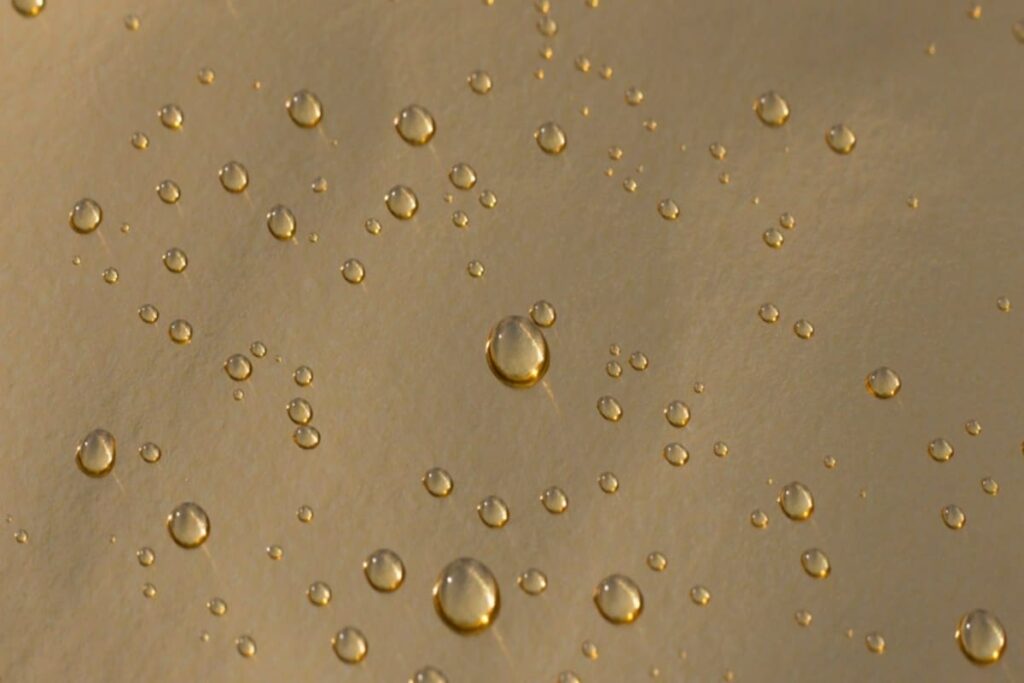
Waterproof cardboard is a type of cardboard treated to withstand water, moisture and other harsh external conditions. Unlike standard cardboard, which immediately absorbs liquids, waterproof cardboard has a protective layer that prevents water from penetrating the material’s fibres. This prevents deformation, loss of strength and damage to the packaged product.
In the modern world of cardboard packaging, where cardboard boxes are used daily for transport, storage and presentation, waterproofing has become a standard in many industries. From food products to electronics and pharmaceutical items, protecting the contents is a priority. Waterproof cardboard boxes ensure safety, durability and reliability throughout the logistics chain, whether for domestic or international transport or long-term storage.
Moreover, waterproof cardboard not only protects the contents but also your investment in the packaging. Durable packaging is a sign of professionalism, and customers appreciate products that arrive clean, intact and presentable. This type of packaging improves the perception of quality and helps reduce operational losses caused by damaged packaging.
Types of waterproof cardboard
Depending on the technology and material applied, there are several types of cardboard boxes that are waterproof, each with specific benefits. The right option depends on the packaged product, transport conditions and storage duration.
Bitumen-coated cardboard
Bitumen-coated cardboard is created by impregnating cardboard with bitumen, a black, dense material that is highly resistant to water. It is used especially for:
-
heavy-duty industrial packaging;
-
construction applications (as a moisture barrier beneath floors or roofs);
-
packaging for electrical or metal equipment.
Bitumen adheres strongly to cardboard, providing a robust barrier that withstands rain, condensation and extreme temperatures. However, this type of cardboard is heavier and less flexible than other options, and it is difficult to recycle, which is why it is used specifically in areas where extreme durability is the priority.
Wax-coated cardboard
Wax-coated cardboard is covered with a layer of wax, usually paraffin, applied by dipping or spraying. The wax creates a protective film that repels water and provides a medium level of waterproofing. It is an excellent choice for:
-
boxes for fresh food (fruit, vegetables, meat);
-
boxes for frozen products;
-
packaging with indirect contact with water.
This solution is lightweight and flexible and preserves the cardboard’s recyclability, but its protection level is lower than that of laminated or bitumen-coated cardboard.
Cardboard with a polyethylene (PE) coating
Polyethylene lamination is the most common waterproofing method. A thin PE film is applied to the cardboard surface, which:
-
prevents water and vapour penetration;
-
allows the packaging to be heat-sealed;
-
is compatible with most automated packaging lines.
Cardboard boxes treated in this way are commonly used in:
-
the food industry (sensitive products);
-
e-commerce (external deliveries);
-
pharmacies and cosmetics.
PE is a recyclable material, and combining it with cardboard creates packaging that is durable, attractive and functional. Find out what we need to know about corrugated cardboard boxes!
Cardboard laminated with aluminium or plastic film
For complete protection, cardboard accessories, aluminium foil or high-barrier plastic films are applied. These protect against:
-
water;
-
UV light;
-
gases and odours;
-
oxidation.
It is ideal for packaging sensitive products such as:
-
medicines;
-
dry foods (cereals, powdered milk);
-
electronics and IT components.
This type of cardboard is more expensive, but it offers the highest level of protection of all the options.
Stages of the cardboard waterproofing process
Creating waterproof cardboard involves several stages, depending on the method chosen:
-
Preparing the cardboard
The surface must be clean, dry and free of defects. -
Applying the protective layer
This can be done by:-
film lamination (PE, PP, aluminium);
-
impregnation with bitumen or wax;
-
spraying or rolling with resistant coatings.
-
-
Drying or cooling
The applied layer must set and become stable during handling. -
Testing and quality control
Adhesion, uniformity and behaviour when in contact with water are checked. -
Cutting and final processing
The cardboard is cut, folded and prepared to be converted into boxes or other forms of packaging.
What materials are used to make cardboard waterproof?
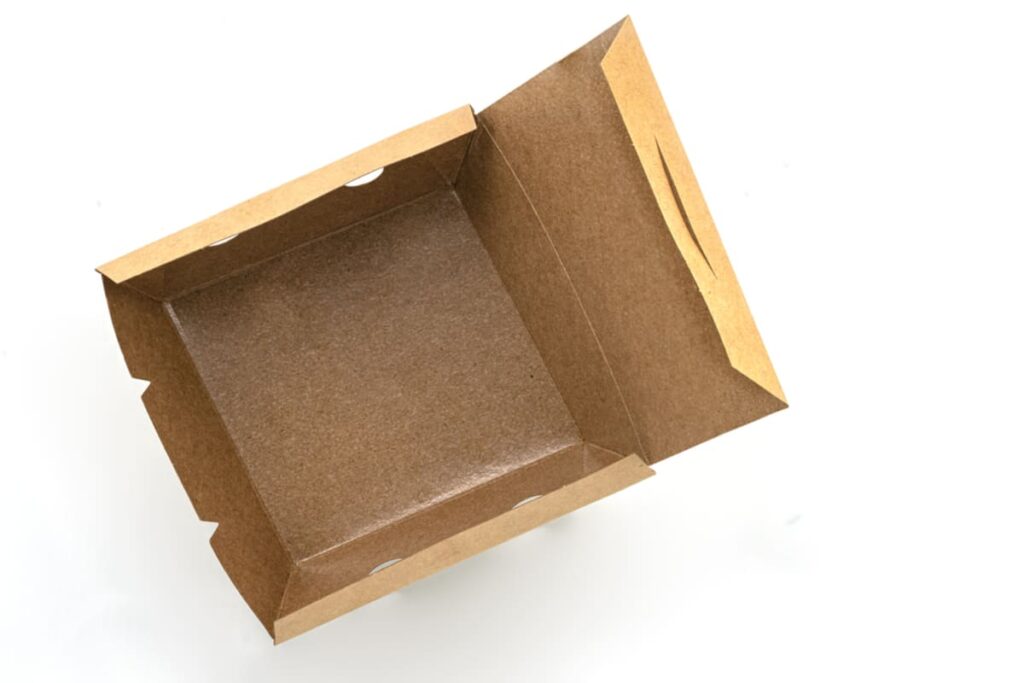
The materials used vary depending on the desired level of protection, compatibility with the product and the costs involved:
-
Paraffin wax – a medium-level barrier that is affordable and environmentally friendly;
-
Bitumen – an extreme barrier that is durable over time but heavier;
-
Polyethylene (PE) – a modern, recyclable solution, ideal for food products;
-
Polypropylene (PP) – highly resistant to temperature and abrasion;
-
Aluminium foil – for pharmaceutical products or products sensitive to light;
-
Coatings and resins – for decorative or luxury packaging.
Combining these materials provides an excellent balance between performance and cost efficiency. Find out how to dispose of used cardboard boxes!
Advantages and disadvantages of waterproof cardboard
Advantages:
-
Effective protection against moisture and damage;
-
Extended packaging service life;
-
Adaptability to any industry;
-
Opportunities for graphic customisation;
-
Compatibility with automated equipment;
-
Reduced losses and complaints caused by defective packaging.
Disadvantages:
-
Higher cost compared with standard cardboard;
-
Some materials are not fully recyclable;
-
Additional weight in some cases (e.g. bitumen);
-
Requires special equipment for lamination and testing.
Practical applications of waterproof cardboard
Waterproof cardboard is widely used in:
-
The food industry – boxes for meat, fish and frozen products, and deliveries at controlled temperatures;
-
Retail – packaging for cosmetics, premium products and customised boxes;
-
Logistics – boxes resistant to rain, condensation and changing temperatures;
-
Construction – protection for materials and equipment;
-
Pharmaceuticals – boxes that protect sensitive substances;
-
Creative and DIY projects – things you can make from waterproof cardboard include temporary furniture, event packaging and outdoor-resistant decorations.
Even ideas for what you can make from cardboard boxes expand when they are treated: plant pots, bathroom organisers or storage boxes for the garage.
How does waterproof cardboard affect business sustainability?
Using waterproof cardboard provides benefits not only in terms of functionality but also for the overall sustainability of operations. By preventing product damage, the amount of wasted packaging and the resulting waste is reduced. In addition, many of the materials used for waterproofing – such as recyclable polyethylene or paraffin wax – are compatible with the green policies increasingly requested by customers and business partners.
Waterproof cardboard enables reuse within the logistics chain, reduces the need for additional protective materials (such as extra films, bags, etc.) and provides a durable long-term solution. For companies that want to optimise costs while improving their public image, choosing this type of cardboard is a strategic investment.
Cardboard is and will remain a core material in the packaging industry. However, in its untreated form, standard cardboard has clear limitations when it comes to resistance to water and moisture. The solution? Waterproofing, which transforms an ordinary material into a packaging tool with extensive applications and enhanced durability.
By choosing the right type of waterproof cardboard, you can protect goods more effectively, provide customers with a positive experience and save resources over the long term. In addition to its practical benefits, this material also supports your commitment to sustainability and efficiency.
Whether you need packaging for international deliveries, food products or construction materials, waterproof cardboard provides the flexibility and safety you need. It can also be easily integrated into existing production chains and customised to match your brand’s visual identity.