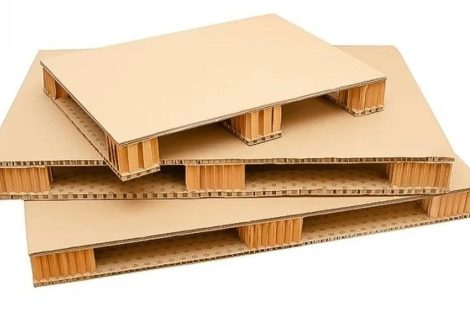


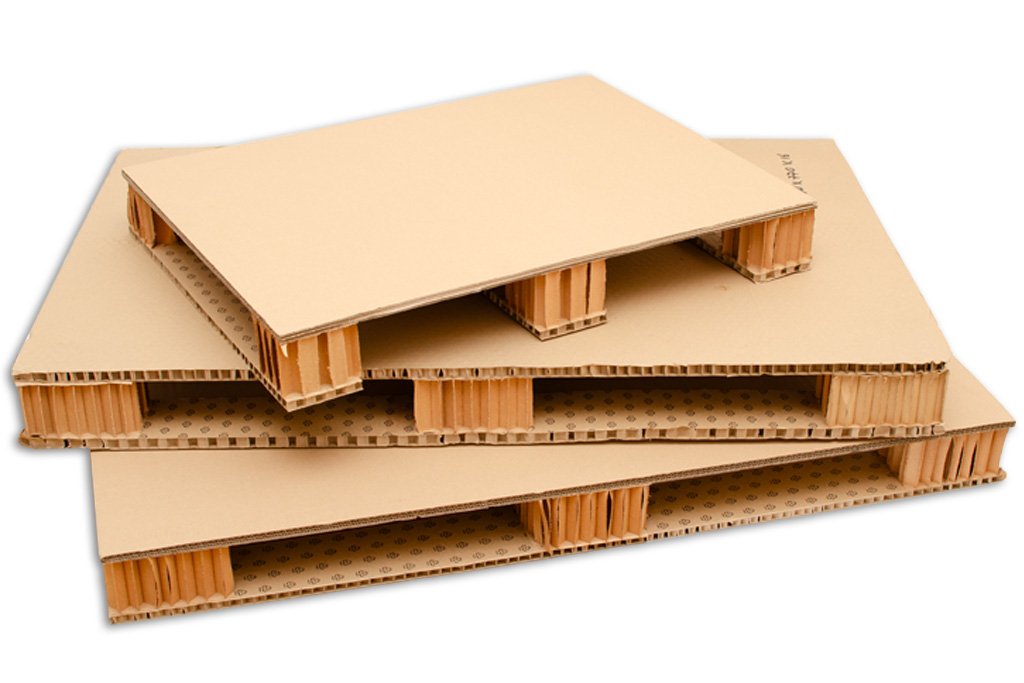
Benefits of Using Cardboard Pallets in Logistics and Transport
In logistics and transport, efficiency and sustainability have become important factors. Pallets are essential for handling and transporting goods, but the material from which they are made plays an important role in optimising costs, protecting the environment and ensuring ease of use. Although wooden pallets have traditionally been the standard, cardboard pallets are gaining increasing ground due to their many advantages. Here is why using cardboard pallets can make a significant difference in the supply chain:
1. Sustainability and environmental friendliness
One of the greatest advantages of cardboard pallets is their sustainability. This material is recyclable, which means that after use, it can be recycled and reintegrated into the production cycle. Compared with wooden pallets, which are often discarded after use and not always recycled, cardboard pallets actively contribute to reducing industrial waste and protecting natural resources.
Why does it matter? At a time when companies are becoming increasingly aware of their environmental footprint, using pallets and cardboard dividers helps improve a company’s sustainability profile and reduce its negative environmental impact.
2. Reduced weight and cost savings
Cardboard pallets are considerably lighter than wooden or plastic pallets. This has a direct impact on transport costs, as the lower weight helps reduce fuel expenses. In addition, a lighter pallet and palletising machines mean less physical effort for employees involved in handling goods, reducing the risk of injuries.
Why does it matter? By using cardboard pallets, companies can save money on both fuel and vehicle maintenance, especially in air freight, where every kilogram affects shipping costs.
3. Improved safety and hygiene
Cardboard pallets, like any cardboard packaging, are often preferred in sensitive industries such as food and pharmaceuticals because they do not retain moisture, do not develop mould and do not require chemical treatments to prevent infestations. By contrast, wooden pallets can absorb moisture and become environments conducive to the development of microorganisms, putting the integrity of transported products at risk.
Why does it matter? In logistics, product safety is essential. Cardboard pallets eliminate the risks associated with damage to products sensitive to moisture and contamination, making them a safe option for transporting food and pharmaceutical products.
4. Flexibility and customisation
Cardboard pallets are flexible to use and can be customised to meet a company’s specific needs. They can be cut and shaped to support different types of goods and weights, providing a flexible packaging solution. In addition, as they are easier to adapt than wooden pallets, cardboard pallets can be produced in different sizes and shapes, depending on logistical requirements.
Why does it matter? The ability to customise pallets means greater efficiency in the use of storage and transport space, optimising processes and reducing additional handling and storage costs.
5. Eliminating customs and regulatory issues
Wooden pallets often require special treatments to meet international safety standards for transporting goods. International regulations, such as ISPM 15, require the wood used in pallets to be heat-treated or chemically treated to prevent the spread of pests. Cardboard pallets, on the other hand, do not require such treatments and are not subject to the same strict regulations.
Why does it matter? For companies involved in international transport, using cardboard pallets eliminates the costs and complexity associated with complying with strict customs regulations, enabling a smoother and faster transport process.
6. Lower costs and availability
Cardboard pallets are often cheaper to produce than wooden or plastic pallets, making them an economical choice for companies looking to reduce costs. In addition, the materials required to manufacture them are more accessible and easier to obtain, contributing to rapid production and consistent availability.
Why does it matter? For companies handling large volumes of goods, pallet costs can become significant. Cardboard pallets offer a cost-effective solution without compromising quality or performance.
7. Ease of handling and disposal
After use, cardboard pallets are much easier to recycle or dispose of than wooden or plastic pallets. In addition, as they are lighter and free of nails or splinters, they are much safer to handle and store, reducing the risk of injury for employees.
Why does it matter? In a logistics environment where operational efficiency and employee safety are priorities, cardboard pallets offer a clear advantage through easy handling and disposal, reducing risks and downtime.
Cardboard pallets are an innovative and practical solution for logistics and transport companies looking to optimise costs, protect the environment and improve safety and hygiene. Lightweight, safe and less expensive, they provide an effective alternative to traditional wooden or plastic pallets.
If you want to optimise your supply chain and put sustainability at the forefront, choose cardboard pallets for your next shipments!