

Benefits of Using Thermal Insulation Packaging
Thermal insulation packaging is becoming increasingly important for companies handling temperature-sensitive products. From fresh food to pharmaceutical or cosmetic products, transporting goods safely and preserving their quality means choosing the right packaging solution. In this guide, you will discover the benefits of thermal insulation packaging, how to choose it correctly and the role it plays in increasing logistics efficiency.
What Is Thermal Insulation Packaging and Where Is It Used?
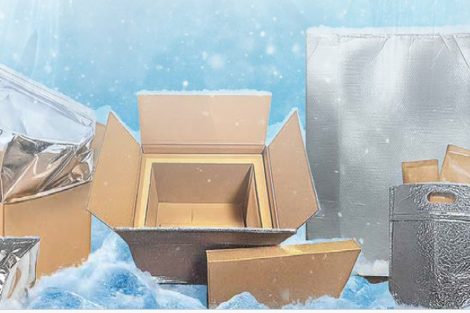
Thermal insulation packaging consists of containers or boxes specially designed to maintain the product temperature at a constant level, regardless of the surrounding environment. Its operating principle is based on layers of materials that block heat transfer, such as expanded polypropylene or EVA foam. These materials provide a protective barrier during transport and storage.
You use thermal insulation packaging when:
- delivering food that requires temperature control (meat, dairy products, fruit, vegetables);
- handling pharmaceutical products and biological samples;
- transporting flowers, cosmetics or products whose quality depends on thermal stability.
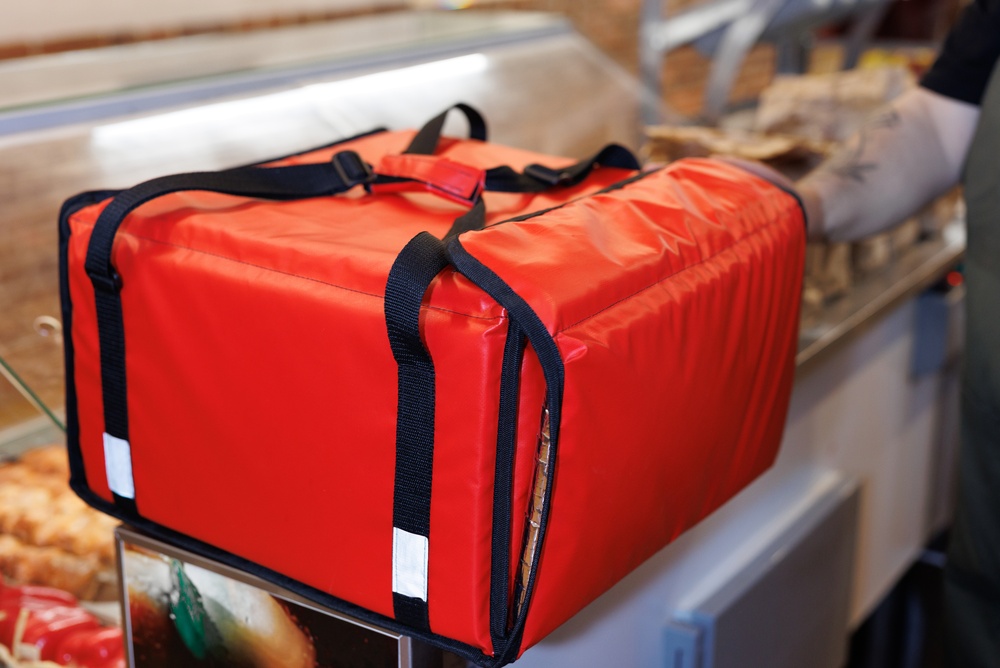
Companies in e-commerce, the food industry, logistics and pharmaceuticals choose these solutions to preserve product integrity until delivery. For example, an online store selling gourmet products can prevent food from spoiling in summer by using insulated boxes and cooling inserts.
Practical Guide: How to Choose and Use Thermal Insulation Packaging
Every shipment has specific requirements, and selecting the right packaging directly affects cargo safety. Follow these steps to integrate thermal insulation packaging correctly:
1. Identify Your Needs and Product Type
Clearly establish the nature of the product and its temperature requirements during transport. If you are shipping medicines, check the storage requirements and temperatures indicated by the manufacturer. A practical example: for dairy products or fresh meat, choose expanded polypropylene boxes with thick walls and ice packs.
2. Analyse the Materials and Insulation Efficiency
Compare the properties of the materials used to manufacture the packaging.
- expanded polypropylene: lightweight and impact-resistant, it is suitable for fast shipments or multiple reuse cycles;
- EVA foam: offers high flexibility and is recommended for irregular shapes or customised solutions.
Research further to determine which type of insulation suits your logistics flow.
3. Select the Right Size
Choose packaging that matches the volume of the products being shipped. A box that is too large increases costs and may compromise thermal stability, while one that is too small leaves the product exposed. For example, pharmacies that ship only biological samples use small boxes with efficient insulation.
4. Add Accessories and Safety Features
Use durable adhesive tapes or barrier films to seal the packaging effectively. For longer shipments, add elements such as dry ice or refrigerant gel packs.
5. Manage Customisation and Monitor Sustainability
Request packaging customised with branding elements, handling instructions or internal compartments. Choose eco-friendly packaging certified by FSC from INATECH Packaging, complying with environmental regulations and the standards specific to each industry.
Advantages and Limitations of Thermal Insulation Packaging
Advantages
- effective thermal control: this packaging reduces temperature deviation during transport, which is crucial for food and medicines;
- reusable and lightweight materials: expanded polypropylene boxes or EVA foam can be used repeatedly, helping optimise costs;
- cargo protection: resistance to impact and compression reduces the risk of damage during handling or storage;
- customisation: tailored design solutions provide a professional presentation and reflect the brand identity.
Limitations
- extended time periods: if you transport goods over long distances or in difficult weather conditions, regularly check the insulation efficiency and the integrity of the cooling inserts;
- adaptation to different shapes: certain materials cannot effectively cover irregular shapes or very bulky products. In such situations, request specialised technical support for customised solutions.
Practical Recommendations for Integrating Thermal Insulation Packaging
Follow these recommendations for an efficient and sustainable process:
- Choose certified packaging made from recyclable materials and compliant with EU legislation;
- Use a secure closure system with adhesive tapes that are resistant to moisture and temperature fluctuations;
- For industrial storage or delivery, analyse the benefits of sealing devices, wrapping equipment or dedicated systems available in the INATECH Packaging portfolio;
- Seek specialist advice to discuss customisation of the dimensions, insulation type and final accessories.
Safety, Regulations and Environmental Responsibility
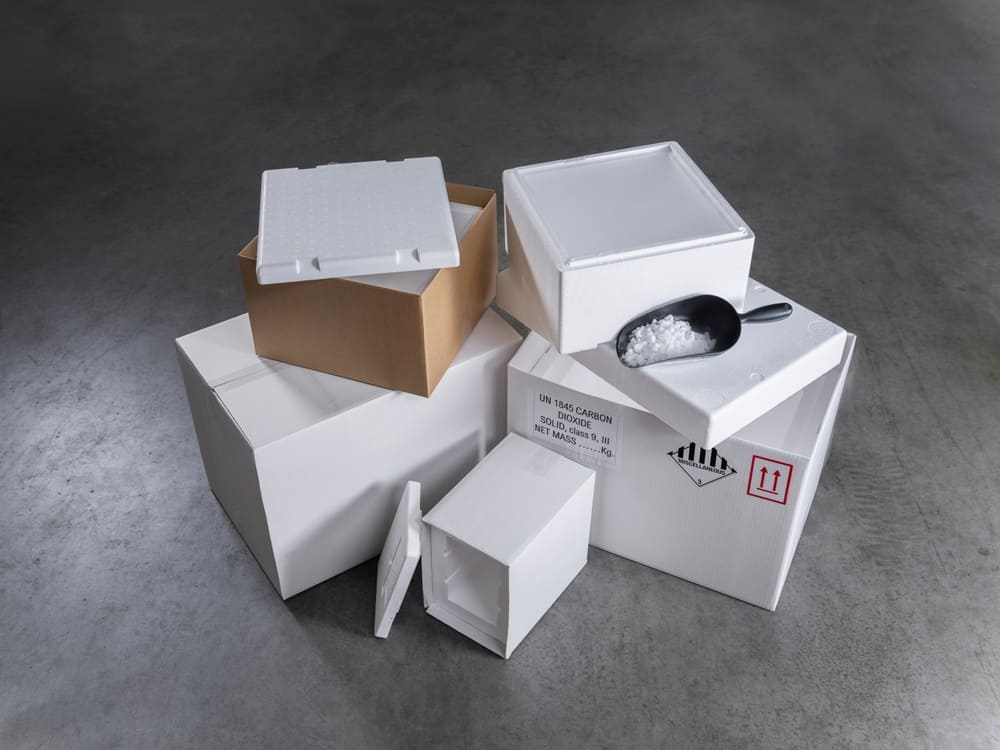
All thermal insulation packaging in the INATECH Packaging portfolio complies with European safety and environmental protection regulations. The materials used are reusable and recyclable, helping reduce the amount of waste generated by industry. FSC-certified solutions can be verified here. If you are planning complex projects or special transport operations, consult specialists to meet all technical and legal requirements.
How INATECH Packaging Can Support Your Business
INATECH Packaging supplies a wide range of thermal insulation packaging, e-commerce packaging, eco-friendly solutions and protective materials for industries with specialised requirements. Customisation services, equipment rental, ongoing technical support and specialist consultancy help you choose exactly the right product, whether you manage an online store, a factory or an intermediate production line. Fast delivery and more than 14 years of experience guarantee prompt service and quality.
We respond promptly to requests concerning packaging customisation and adapt any solution for food, pharmaceutical, electronic, automotive or furniture manufacturing products. The offer is available both to companies and individual customers who need additional protection during transport. The materials have proven durable, and the solutions can be easily integrated into existing logistics flows.

Frequently Asked Questions About Thermal Insulation Packaging
What is thermal insulation packaging?
Thermal insulation packaging is specially designed packaging that maintains a constant product temperature during transport or storage.
What types of products use thermal insulation packaging?
It is frequently used for perishable food, pharmaceutical products, cosmetics, beverages and other products sensitive to temperature variations.
What are the main benefits of using thermal insulation packaging?
It preserves product freshness, prevents damage, reduces losses and ensures compliance with safety standards.
How long can thermally insulated packaging maintain product temperature?
The duration depends on the type of packaging, the materials used and whether cooling elements are used, and can range from a few hours to more than 48 hours.
Is thermal insulation packaging reusable?
Some models are reusable, particularly rigid insulated boxes or professional containers.
Is thermal insulation packaging recyclable?
Many types of packaging are made from recyclable materials, although this depends on the type of insulation and the product structure.
Is it necessary to use cold packs?
Yes. For products that require consistently low temperatures, cold packs or dry ice are recommended.
Which industries use thermal insulation packaging most often?
The food, pharmaceutical, logistics, e-commerce and HoReCa industries frequently use this type of packaging.
How do I choose the right thermal insulation packaging?
The transport duration, required temperature range, product dimensions and external conditions must be taken into account.
Does thermal insulation packaging reduce costs?
Yes, by reducing product losses and returns caused by damage.
Can thermal insulation packaging be customised?
Yes. Many companies offer customisation options such as size, thickness, branding and closure type.
Is it suitable for e-commerce deliveries?
Absolutely. It is essential for delivering temperature-sensitive products directly to customers.
Using thermal insulation packaging is an effective solution for protecting temperature-sensitive products throughout transport and storage. It helps maintain product quality, reduce losses and ensure compliance with current logistics standards.
Looking for safe solutions tailored to your business needs? Contact the INATECH Packaging team and choose thermal insulation packaging and specialist consultancy to optimise your packaging and transport processes.