


Everything You Need to Know About Adhesive Tape: Types and Effective Uses
What is adhesive tape?
Adhesive tape is an essential product for packaging, bonding and protection, used in a wide range of industries thanks to its versatility. Made with a backing material such as paper, polyethylene, PVC or fabric, it is coated with adhesive on one or both sides. The adhesive is designed to provide a strong and durable bond while also being easy to apply, without requiring heat or chemical activation. Adhesive tape is available in different shapes, colours, thicknesses and lengths, allowing it to be adapted to any type of application, from household use to industrial packaging.
This wide range of functions makes adhesive tape present in almost every industry – logistics, retail, construction, automotive, food, pharmaceutical and even creative activities. Because it can be applied quickly, requires no special equipment and provides an immediate solution for fixing or sealing, adhesive tape has become an indispensable tool in everyday activities.
Types of adhesive tape and how they can be used
Double-sided tape
Double-sided tape is ideal when two surfaces need to be fixed together without the tape being visible. It consists of a thin backing coated with adhesive on both sides and is highly useful in applications where appearance is important, such as mounting mirrors, posters or interior decorations. It is frequently used in the advertising industry for wrapping or temporary fixing, together with adhesive tape accessories.
Another major advantage of double-sided tape is its versatility: it can be used on a wide range of surfaces, including wood, metal, glass, plastic and cardboard. Moisture- and heat-resistant versions are available for outdoor use or demanding conditions. Double-sided adhesive tape is a modern alternative to nails, screws and other visible fastening systems.
Scotch tape
Scotch adhesive tape is one of the best-known and most widely used adhesive tapes in the world. It is made from a thin plastic film coated with adhesive on one side. It may be transparent or brown and is most often used in offices, schools and light packaging applications. It is ideal for sticking documents, bags or small boxes.
A major advantage of Scotch tape is that it can be easily torn by hand or cut with a dispenser, making it extremely practical for everyday use. It is also available in a variety of sizes and formats adapted to specific requirements – from small rolls for personal use to large rolls for industrial applications. It is a simple and effective solution for basic bonding and packaging needs.
Paper adhesive tape
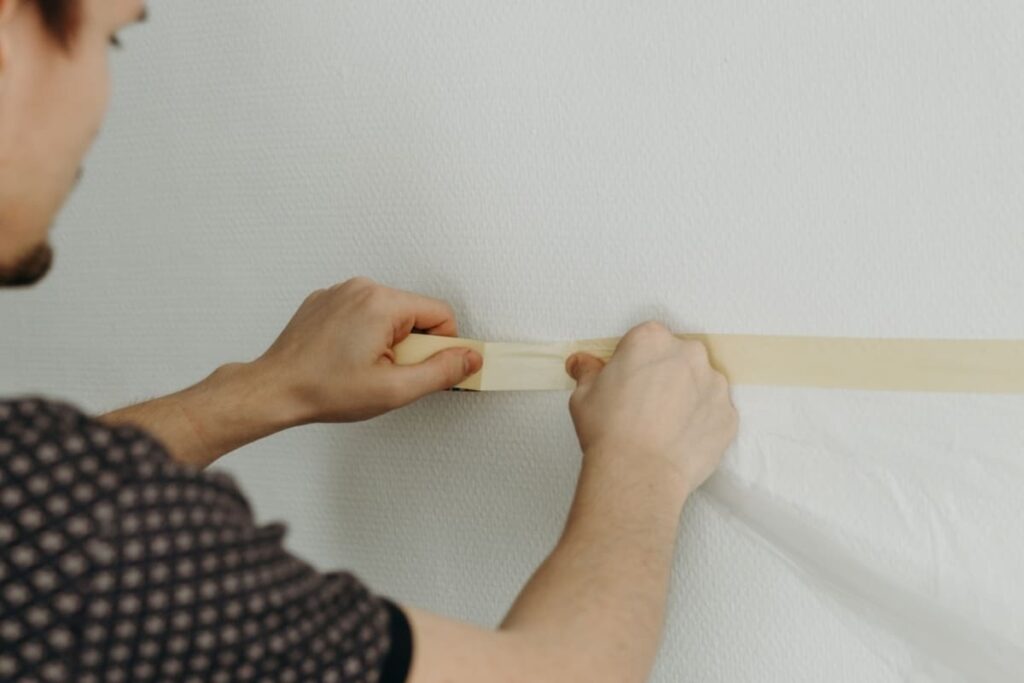
Paper packaging tape is mainly used for masking during painting, as well as for eco-friendly packaging. Made from recyclable and biodegradable paper, it is a sustainable choice for those seeking to reduce their environmental impact. This tape is easy to tear by hand and can be written on, making it suitable for temporary labelling or sealing lightweight parcels.
Paper tape also comes off easily without leaving residue, making it ideal for projects in which surfaces need to be protected temporarily. Heat-resistant paper adhesive tape versions are also available and are used in industrial electrostatic painting processes. This type of tape therefore combines functionality with environmental responsibility.
Reinforced adhesive tape
This special adhesive tape is designed for demanding applications where increased strength is required. It is made with a fabric or fibreglass backing, giving it high mechanical strength. It is used for sealing heavy boxes, securing pallets, industrial packaging and construction applications. Some versions are also resistant to weather conditions or chemical agents.
Reinforced adhesive tape is often preferred in warehouses and factories, where safe handling and transport are essential. It offers superior adhesion and is almost impossible to tear by hand, so a cutter is required for cutting. It is an excellent solution for protecting goods during intensive handling.
Warning tape
Warning tape has an important visual function. It is brightly coloured, usually with alternating stripes in strong colours (red/white or yellow/black), and is used to signal hazardous areas, restrict access or mark routes. It is frequently used on construction sites, in warehouses, car parks and industrial spaces.
This tape can also be used in packaging when special marking is required for fragile or important parcels. Reflective or fluorescent versions are also available and can remain visible in the dark. Warning tape therefore serves not only a practical function, but also a safety and visual communication purpose.
How to choose the right adhesive tape
Choosing the right adhesive tape can make the difference between packaging that remains secure and packaging that fails during transport. It is important to consider several factors: the type of surface to which the tape will be applied, temperature and humidity conditions, the weight of the object being secured and the intended purpose – packaging, protection or mounting.
For indoor applications and lightweight boxes, you can use Scotch or paper tape. For heavy packaging, choose reinforced adhesive tape. If you need discreet fastening, use double-sided tape. For areas exposed to sunlight or moisture, choose special adhesive tapes with weather-resistant adhesive. The range is extensive, and the right choice means greater efficiency and safety.
Practical tips for using adhesive tape effectively
For optimum results, it is essential to use adhesive tape correctly. Clean the surface to which the tape will be applied – dust, dirt and grease can reduce adhesion and compromise the integrity of the seal. Use a suitable dispenser for quick and even application – this prevents waste and ensures a professional result.
Apply constant pressure to the tape to activate the adhesive and achieve a firm bond. When packaging boxes, use the “H” method for effective closure. Store tapes at room temperature, away from light and moisture. These simple measures help extend the tape’s service life and improve the efficiency of the packaging process.
How do you remove adhesive tape residue?
After the tape is removed, sticky residue may remain, especially if the tape has been applied for a long time. To clean it effectively, first try warm water and soap. If the residue persists, use isopropyl alcohol or special cleaning solutions, applied with a soft cloth.
For delicate surfaces, always test the cleaning product on a small area to avoid damage. On glass, you can use a plastic scraper together with hot water. Proper removal of adhesive tape residue extends the service life of surfaces and maintains a clean, professional appearance.
Other practical uses of adhesive tape
Adhesive tapes are not used only in industrial or logistics processes, but also in everyday activities. In households, adhesive tape is used for quick repairs, sealing food bags, securing electrical wires, labelling jars or wrapping gifts. In schools and offices, it is a staple on work desks – whether for sticking up posters, temporarily securing documents or creative projects.
In craft and DIY workshops, coloured or decorative adhesive tapes are used to create albums, greeting cards and personalised envelopes, or for visual marking in various projects. Double-sided adhesive tape is also preferred in the furniture industry for discreetly securing components or decorations.
Another field in which adhesive tape plays an important role is the automotive industry. Special tapes resistant to high temperatures and chemical agents are used for masking during painting, temporarily securing wiring or protecting components during repairs. UV-, weather- and vibration-resistant adhesive tapes are available to meet the technical requirements of the industry.
Always choose the right adhesive tape for your application. Do not use office tape for heavy packaging and do not use indoor tapes outdoors. Check the product specifications before use – the minimum and maximum permitted temperature, the type of adhesive and the tear strength.
If you have any doubts, consult a specialist or the team at the shop where you purchase the product. Using adhesive tape correctly not only improves appearance and safety, but also saves you time, materials and money.