

Everything You Need to Know About Kraft Paper: Features and Popular Uses
Kraft paper is a strong and versatile type of paper that is widely used across various industries, from packaging to the production of eco-friendly products. Due to its durability and strength, Kraft paper is particularly preferred for packaging, as well as for other creative or functional applications. In this article, we will explore what Kraft paper is, the characteristics that define it and its most popular uses.
What Is Kraft Paper?
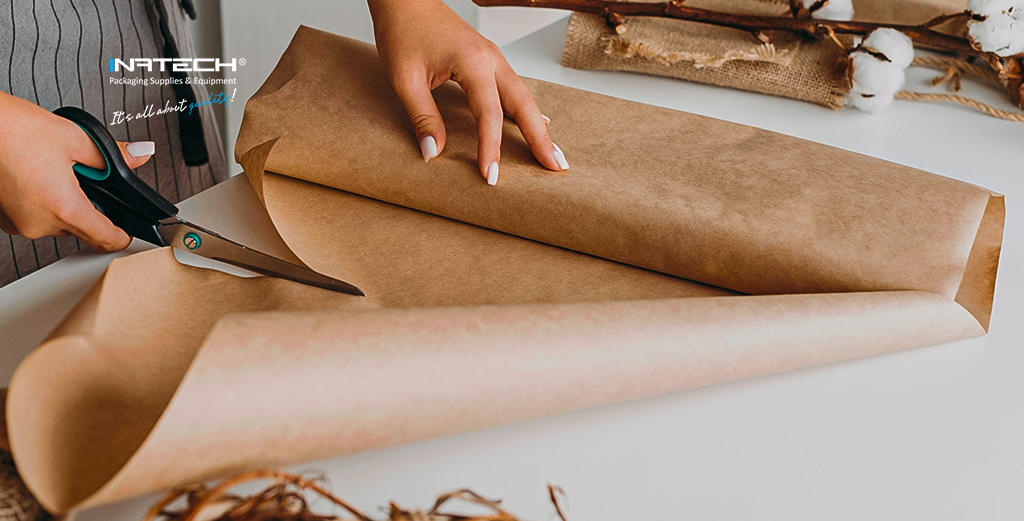
Kraft paper is packaging paper made from wood pulp obtained through a chemical pulping process. The word “Kraft” comes from German and means “strength”, a term that accurately reflects its strength and durability. The Kraft paper manufacturing process preserves a significant amount of the wood’s natural cellulose, giving the paper a robust structure and a characteristic colour ranging from light beige to darker brown.
Characteristics of Kraft Paper
Kraft paper rolls stand out through several distinctive features that make them suitable for a wide range of uses:
- High strength: thanks to the manufacturing process, Kraft paper is thicker and stronger than many other types of paper, with a greater ability to withstand tearing and damage;
- Flexibility: Kraft paper is fairly flexible, making it ideal for use in the production of bags, packaging and other products that require easy handling;
- Balance between weight and thickness: although it is thicker than other types of paper, Kraft paper is lighter than other strong materials, making it more cost-effective to transport;
- Natural and rustic appearance: the natural colour and unfinished texture of Kraft paper give it a distinctive appearance, suitable for eco-friendly packaging and designs that emphasise a natural look.
These characteristics make Kraft paper a highly versatile material, used not only for packaging but also in various industrial and design applications.
Types of Kraft Paper
Although the term “Kraft paper” generally refers to a specific material, there are several types of Kraft paper, each with different characteristics depending on the manufacturing process and its intended purpose:
- Natural Kraft paper: this is the classic brown version, used in most packaging applications, including bags and sacks. It has a rustic appearance and good tear resistance;
- White Kraft paper: white Kraft paper is a version of Kraft paper treated to achieve a lighter colour and smoother surface. It is often used for premium packaging applications and elegant designs;
- Recycled Kraft paper: this type is made from recycled materials and is often used to produce eco-friendly packaging. It has a brown or grey colour, similar to natural Kraft paper, and is preferred for environmentally responsible applications.
Popular Uses of Kraft Paper
Due to its characteristics, Kraft paper is used across a wide range of industries and applications. The most popular uses of this paper include:
- Eco-friendly packaging: Kraft paper is most commonly used in packaging due to its strength and environmentally friendly properties. It is used for paper bags, sacks, boxes, food packaging and more. As it is biodegradable and recyclable, Kraft paper is a popular choice in industries promoting sustainable solutions;
- Labels and cards: due to its texture, Kraft paper is also used to produce labels, cards and product tags. It is often preferred for eco-friendly products because of its natural and rustic appearance;
- Packaging materials for product protection: Kraft paper is also used to protect fragile products, either as void fill inside boxes or for wrapping them. Due to its strength, it is an effective alternative to traditional protective materials such as plastic or polystyrene;
- Paper for office supplies and writing products: Kraft paper is also used to produce office supplies such as envelopes and cards. Due to its structure, it offers better print quality than other standard paper types;
- Craft products: Kraft paper is often used in crafts to create decorative objects or to design greeting cards, customised packaging and decorations for special events. Its simple, natural design makes it a versatile material for a range of creative projects;
- Food preservation: Kraft paper is also used in the food industry to package foods that require additional protection or bakery products such as bread and croissants. It helps maintain freshness and protects products from contamination.
Advantages of Using Kraft Paper
The main advantages of Kraft paper include:
- Durability: thanks to the manufacturing process, Kraft paper is much more tear-resistant than other types of paper, allowing it to support heavier loads and withstand more demanding conditions;
- Environmentally friendly: Kraft paper is biodegradable and, in many cases, recyclable, making it an excellent eco-friendly choice for those who want to reduce their environmental impact;
- Low costs: although this may vary depending on the quality and type of paper, Kraft paper is generally an affordable solution for packaging and protection.
Kraft paper is a versatile and durable material that plays an important role in many industries, from packaging to crafts. Thanks to its eco-friendly properties, strength and affordability, it continues to be chosen for a wide range of applications. Whether it is used to package food products, create decorative objects or protect fragile items, Kraft paper remains an excellent option for a variety of needs. If you are looking for a durable and environmentally friendly material, Kraft paper is certainly an excellent choice.