Proper Packaging of Bulky Items: 10 Essential Steps
The outer packaging must be selected according to the product’s weight and dimensions. Double- or triple-wall corrugated cardboard boxes are used for heavy products. Corrugated cardboard consists of flat sheets and an inner fluted layer that absorbs shocks and distributes pressure. For long-distance transport or heavy products, high-compression-strength cardboard is recommended, in accordance with ECT or BCT specifications.
For unusual dimensions, telescopic boxes or custom packaging can be used. For industrial equipment, direct securing to a pallet or industrial cardboard crates may sometimes be required. INATECH Packaging provides customised solutions and technical consultancy for selecting the right packaging, with FSC-certified products and applications in industries such as automotive, electronics, pharmaceuticals and furniture manufacturing.
Disassemble and prepare the product before packaging
Before packaging, it is recommended to disassemble components that can be separated without affecting the product’s structure. Furniture legs, shelves and removable panels should be packaged separately. Screws and small accessories should be stored in clearly labelled bags and secured inside the parcel. Surfaces must be cleaned and completely dried to prevent moisture from accumulating inside the packaging.
For electronic equipment, connectors must be protected and moving parts must be secured. Photographing the product before packaging is a useful practice for documentation and for handling any potential claims.
Protect surfaces with cushioning materials
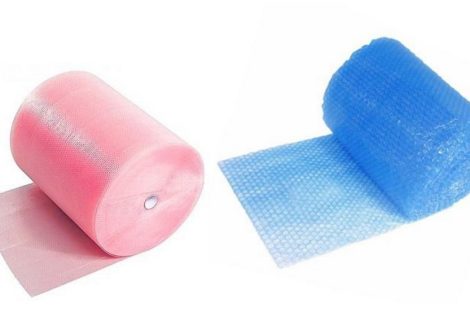
Bubble wrap is used to absorb shocks and provides effective protection against light or moderate impact. Sensitive areas can be protected with expanded polyethylene (PE) foam, which has controlled density and good compression resistance. Foam profiles and corner protectors are useful for protecting edges and reducing the risk of direct impact.
PE foam does not absorb water and withstands temperature variations well, making it suitable for external transport. For very heavy products, multiple layers or additional rigid boards can be used. Consider volumetric weight and follow the manufacturer’s instructions for every type of bulky item you package for delivery.
Fill empty spaces inside the parcel correctly
Product stability inside the packaging is essential. Empty spaces must be filled with securing materials such as biodegradable packing peanuts, crumpled paper or air pillows. For eCommerce, air pillows are an effective solution because they reduce parcel weight. For heavy metal components or industrial parts, however, paper or cardboard inserts provide firmer support. It is recommended to test the parcel by gently shaking it. If the product moves, add more filling material until the load is stable.
Seal the parcel correctly for safe transport
The box should be sealed with adhesive tape suited to the parcel’s weight. Acrylic tape is suitable for general use, while hot-melt tape provides better adhesion in variable-temperature conditions. The box should be sealed in an “H” pattern on the top and bottom for better reinforcement. Automatic or semi-automatic sealing machines can be used for high-volume operations. INATECH Packaging provides professional packaging machines and equipment, sealing systems and warehouse equipment, also available for hire.
Ensure pallet stability for very large products
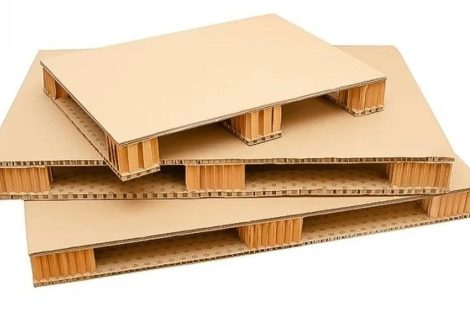
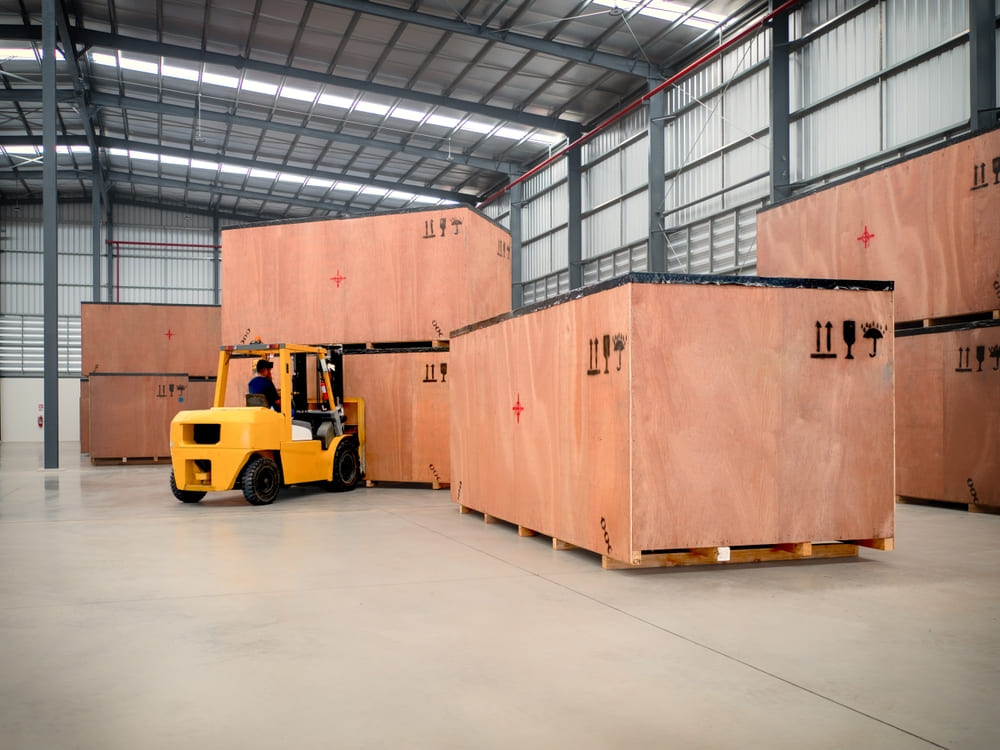
For very large or heavy items, palletising is essential. The product must be positioned centrally on the pallet to ensure even weight distribution. Securing is carried out with stretch film applied evenly from bottom to top. For heavy loads, polyester or polypropylene strapping can be used, as these materials have high tensile strength. A stable pallet reduces the risk of damage during handling and improves warehouse operation safety.
Label the parcel correctly for proper handling
The label must be applied to a clean, flat surface so that it remains visible during handling. Markings such as “Fragile”, “This Side Up” or “Do Not Turn Over” help logistics operators handle the parcel correctly. If boxes are reused, old labels must be removed. Barcodes must be legible and must not be covered by opaque film. Correct labelling reduces logistics errors and streamlines parcel processing at distribution hubs.
Consider transport and storage conditions
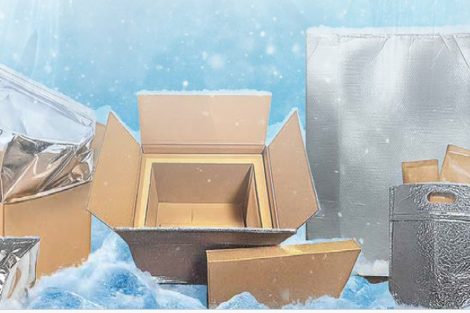
The route and transport duration influence the choice of packaging materials. For international deliveries or long-term storage, moisture-barrier films or thermal-insulated packaging can be used. These solutions maintain a stable temperature and protect sensitive products such as electronic equipment or pharmaceutical components. Large temperature fluctuations should also be avoided, as they can affect the cardboard or the adhesives used for sealing.
Check every parcel before dispatching it
Before dispatch, the parcel must be checked to confirm that the load is stable. Lift and gently tilt the parcel to see whether the product remains secure. Inspect the corners, adhesive tape and labels to ensure that the packaging is fully sealed. Check the dimensions and weight for accurate transport billing. Photograph the parcel from several angles and store the images in the order archive for traceability, both for domestic deliveries and for international freight transport.
Frequently asked questions (FAQ) about packaging bulky items
What type of cardboard is suitable for packaging bulky items?
Double- or triple-wall corrugated cardboard is used for bulky items or heavy products. These types of cardboard have greater compression resistance and can support substantial weights during transport and storage.
Is palletising necessary for very large products?
Yes. Palletising is recommended for bulky or very heavy products. Securing products to the pallet with stretch film and strapping increases load stability and reduces the risk of damage during handling.
What materials can I use to protect fragile surfaces?
Materials such as bubble wrap, polyethylene (PE) foam, corner protection profiles or rigid foam boards are used to protect fragile surfaces. These materials absorb shocks and reduce the risk of direct impact.
How can I prevent the product from moving inside the parcel?
Empty spaces inside the box should be filled with stabilisation, protection and securing materials, such as air pillows, biodegradable packing peanuts, crumpled paper or cardboard inserts. These materials stabilise the product and reduce vibrations during transport.
Can I customise packaging for bulky products?
Yes. Packaging can be customised according to the products’ dimensions, shape and weight. INATECH Packaging provides customised solutions, including special boxes, foam or cardboard inserts and packaging printing services.
Proper packaging of bulky items is not simply about choosing a larger box; it involves following a well-organised process. Correct product assessment, the use of suitable protective materials and a final parcel inspection help reduce damage and maintain an efficient logistics flow.
By following clear steps and using professional packaging, companies can prevent costly returns and ensure that products are delivered in optimal condition. At the same time, optimising the packaging process helps save time and increase productivity in the warehouse or on production lines.
If you want to choose the right materials for packaging bulky items and optimise your company’s logistics processes, contact the INATECH Packaging specialists and discover the complete range of professional solutions available at inatech-shop.ro.