


Stop Wasting Packaging
Standardisation is a process that can help you save money in the short term, but to achieve lasting results, you should try to avoid wasting packaging. In short, saving packaging means reducing costs, both by using less material and by lowering transport and storage costs.
We have all experienced ordering a product online only to find, when the parcel arrives, that the packaging is much larger than the product itself. In practice, the product or products “swim” inside the packaging, or the empty spaces are unnecessarily filled with large quantities of air bubble wrap, polystyrene chips and cushions, or special paper for filling empty spaces—packaging that will ultimately be thrown away and therefore wasted. Of course, using these materials to protect products is essential, but they should be used in a correct and efficient way.
The company that sent you that oversized parcel faces the following three problems:
1. Its packaging is not suitable for the products being shipped;
2. It pays extra to ship that empty space. Why? Because excess material leads to higher transport costs due to its weight and volume;
3. It spends money on the materials used to fill the empty space in every parcel.
What does packaging waste mean?
Packaging is not wasted when it can be reused or recycled, meaning that it does not generate waste. It is a real advantage when packaging is designed to be reused by consumers, recycled at collection points, or even made from edible or “plantable” materials.
This subject is widely discussed today, both by companies trying to reduce the amount of waste generated by packaging and by consumers who are increasingly looking for these options.
Zero packaging waste in the United States
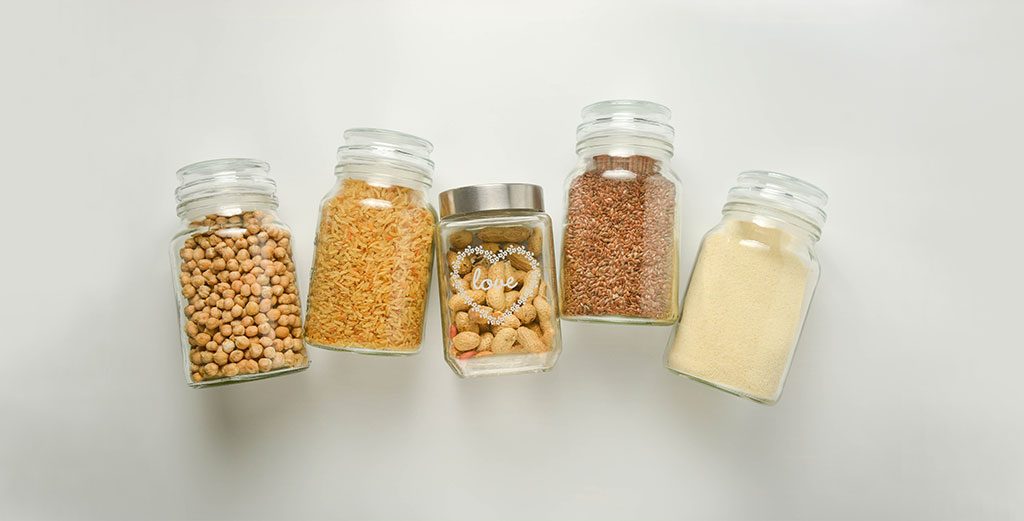
The United States is making efforts in this area. Some grocery stores allow customers to weigh and fill their own containers—such as jars, bags or bottles—with goods such as legumes, dry ingredients, oils, vinegar, spices and other bulk products. Some companies package their own products in containers that can be returned and reused, such as laundry detergent, dishwashing detergent and ice cream containers.
Zero packaging waste in Europe
Europe has made significant progress towards a zero-waste economy. In Norway, for example, 97% of plastic bottles are recycled after use. Impressive, isn’t it? In Germany, recycling rates have also reached 92.5% for the same type of PET bottle.
A circular economy in which waste and pollution are designed out of the economy, while regenerative materials and practices are prioritised, helps rebuild the health of the overall system.
The key to minimising packaging waste
To become a zero-waste company, you need to incorporate sustainable practices, materials and attitudes into the foundations of your business. Packaging is one way to demonstrate your zero-waste values. What should you do first? Try to prevent waste by correctly sizing your parcel packaging, and work with a packaging supplier that can advise you in this area.
When you pay for transport, you are actually paying for the space occupied by your parcels in the mode of transport, whether it is an aircraft, ship or truck. Both weight and volume are essential factors when it comes to transport. The main objective is to design packaging that takes up as little space as possible.
Are you transporting air?
It is very important to find out how much air is being transported in your parcels. How can you do this?
To correctly size your packaging, answer the following questions:
1. Is your packaging the right size for the product being shipped?
2. Is there a considerable gap between the top of the product and the top of the transport packaging?
3. Do you need to excessively fill the gaps to protect your product during transport?
Reducing this empty space in your parcels is the first step towards a zero-waste approach. Smart packaging solutions can involve designing much stronger packaging in a smaller, more suitable size, significantly reducing damage in transit. A box with the ideal dimensions helps prevent parcel damage.
Work with a packaging expert
Implementing this concept requires patience and persistence. You will need to make fundamental changes within your company to achieve real results, but these changes can be made step by step. By starting to optimise the packaging in your supply chain through sustainable materials and practices, Inatech Packaging can guide you in making this choice. For additional advice on our product range and packaging operations, contact our packaging specialists at +40 214.480.358 or [email protected]