

What Is Stretch Film and What Is It Used For?
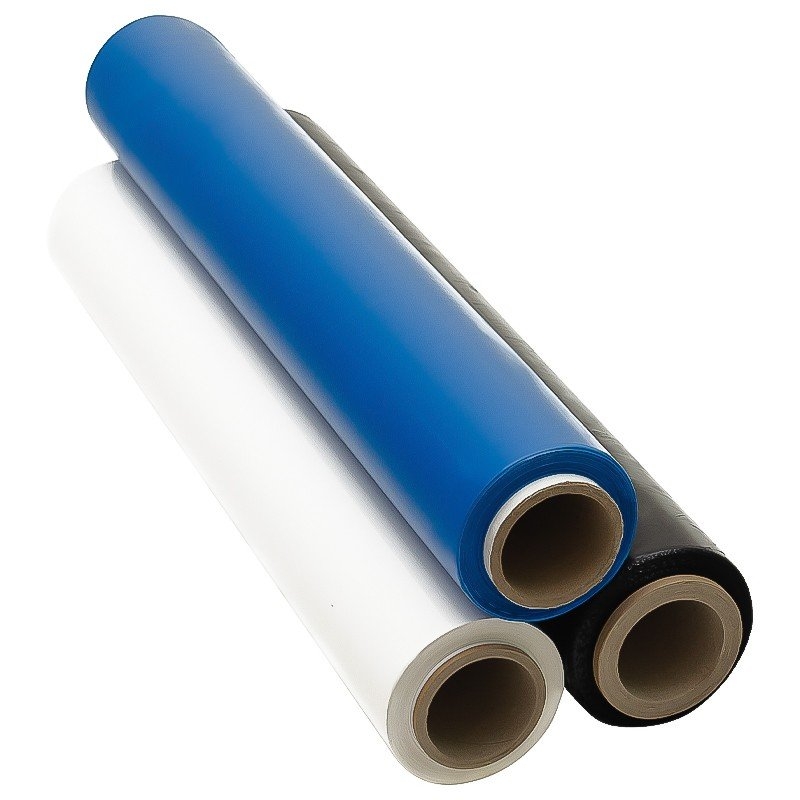
Stretch film is a flexible and durable material used for packaging and protection across various industries. Made from low-density polyethylene (LDPE), this elastic film can stretch and return to its original shape, ensuring that items are secured and protected. Its versatility makes it indispensable in fields such as logistics, construction, agriculture and the food industry. In this article, you will learn about the main characteristics, benefits and uses of stretch film!
1. Main characteristics of stretch film
Stretch film stands out through a range of essential characteristics that make it useful in multiple fields:
- Elasticity and strength: the film can be stretched without tearing while maintaining packaging firmness;
- High adhesion: it allows the film to adhere to packaged items without requiring additional adhesives;
- Transparency: it provides visibility of packaged products, making them easier to identify;
- Resistance to moisture and dust: it protects items from environmental factors, extending their service life;
- Various thicknesses and dimensions: available in different options to meet the specific requirements of each field;
- Resistance to extreme temperatures: some types of stretch film can withstand high or very low temperatures, making them ideal for use in different environments.
2. Uses of stretch film in logistics and transport
One of the most common fields in which stretch film is used is the logistics industry. It is essential for stabilising and protecting pallets during transport and storage. By using stretch film, goods are secured, preventing them from shifting or being damaged during handling.
The advantages of stretch film in logistics include:
- Firmly securing products to pallets, reducing the risk of damage;
- Protection against moisture, dust and dirt;
- Easy manual or mechanised application, depending on the packaging volume;
- Lower costs compared with other packaging and protection methods;
- Adaptability to products of different shapes and sizes, providing an efficient packaging system even for fragile items or objects with sharp edges.
3. Stretch film in the construction industry
In addition to its use in transport and storage, manual stretch film is an essential tool in the construction industry. It is used to protect construction materials such as plasterboard, wooden panels and pipes from environmental factors including dust, rain and UV rays.
Stretch film is also used for:
- Wrapping equipment and tools to prevent scratches and damage;
- Grouping and organising materials for more efficient transport and storage;
- Creating protective barriers on construction sites to reduce exposure to dirt and moisture;
- Protecting windows and doors during renovation work to prevent dust deposits or accidental scratches.
4. Using stretch film in agriculture and the food industry
Stretch film also plays an important role in agriculture, where it is used to protect crops and agricultural materials. For example, hay bales are wrapped in stretch film to protect them from moisture and prevent premature fermentation. In addition, stretch film is used to protect seeds and other agricultural products during storage or transport.
In the food industry, stretch film is used for:
- Protecting perishable products during transport;
- Wrapping packages to maintain food freshness;
- Preventing product contamination through contact with external factors;
- Creating an additional protective layer for frozen or refrigerated products, preventing dehydration and deterioration in quality.
5. Benefits of using stretch film
Stretch film offers multiple benefits in every industry where it is used:
- Cost efficiency: compared with other packaging materials, stretch film is more affordable and reduces transport and storage costs;
- Ease of use: it can be applied both manually and with the help of automated equipment, adapting to users’ requirements;
- Improved protection: it protects products against mechanical damage, moisture and dirt;
- Sustainability: many types of stretch film are recyclable, helping to reduce plastic waste;
- Versatility: it can be used in multiple industries, from logistics and transport to construction, agriculture and the medical sector;
- Storage safety: it ensures the stability of stacked products, reducing the risk of accidents or falls in warehouses.
Stretch film is an essential material in numerous industries due to its durability and efficiency. Used in logistics, construction, agriculture and the food industry, it plays a crucial role in protecting and stabilising products. Choosing the right type of stretch film can improve packaging and storage processes, providing a balance between protection, costs and sustainability. In a world where transport and storage safety and efficiency are priorities, stretch film remains an indispensable solution. In addition to its practical benefits, using high-quality film helps extend the service life of products and maintain their integrity over the long term.