

Why Cats Love Cardboard Boxes – Behaviour, Benefits and What You Can Offer Your Cat
If you have a cat, you have probably noticed that, regardless of sophisticated toys or a comfortable bed, a cardboard box immediately becomes its favourite. What makes it so appealing? Beyond seeming like a simple choice, a cardboard box offers a mix of security, thermal comfort, sensory stimulation and opportunities for play that appeal to a cat’s natural instincts. Discover why cats love cardboard boxes and how you can make the most of this behaviour for the well-being of your little furry friend.
Security, refuge and stress reduction
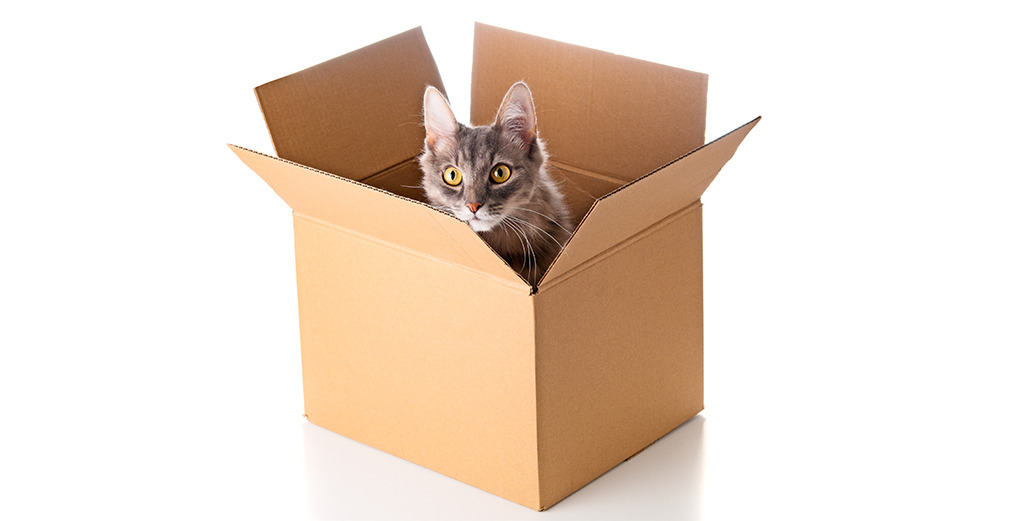
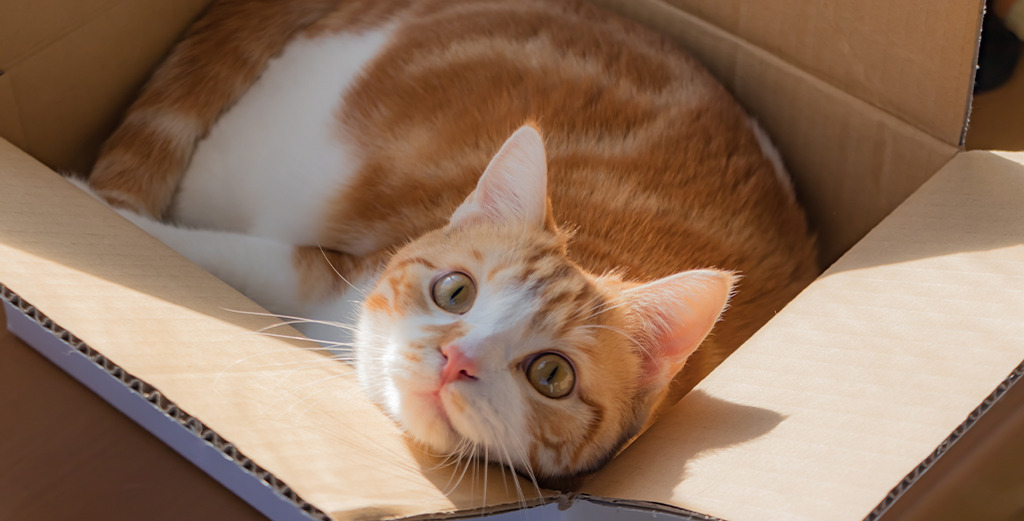
Cats are both predators and potential prey in the natural environment. As a result, narrow, semi-hidden spaces with walls around them create a sense of protection. A cardboard box allows a cat to curl up in a place where it can hide, observe without being observed and maintain control over its immediate surroundings. Studies show that access to such hiding places reduces stress levels in cats living in shelters. When a cat feels safe, it is more likely to play, explore and display more balanced behaviour.
Thermal insulation and comfort
Cardboard is a good thermal insulator. For a cat, the optimal body temperature is usually higher than the room temperature. A small box helps retain body heat, providing a place where the cat can curl up, relax and conserve thermal energy. This makes the box a small, comfortable “nest” — which explains why a cat may prefer it to a sophisticated bed.
Sensory stimulation and tactile exploration
Cardboard has a texture that cats enjoy: a slight rustling sound when approached, edges they can chew or scratch, and surfaces where they can leave scent marks and pheromones. The appearance of a corrugated cardboard box also stimulates curiosity: a new smell, a new shape and a different surface. The cat wonders: “What is this? Can I get inside? What happens if I hide?” This leads to exploration and instinctive play. In addition, cardboard allows scratching and chewing on the edges, which helps cats both maintain their claws and release tension.
Play, simulated hunting and mental activity
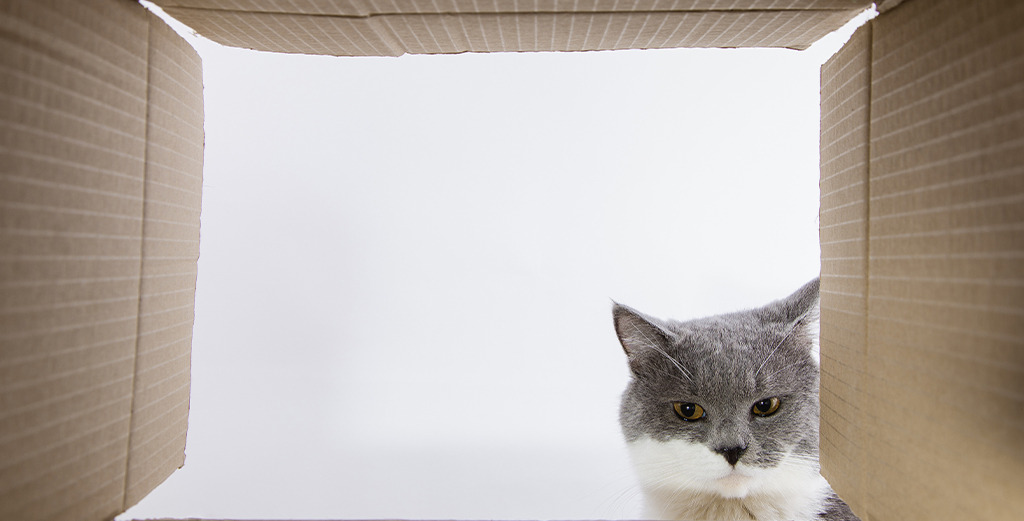
In addition to comfort, the box becomes a setting for play: the cat can guard the edge, jump out of the box, chase toys or moving objects and simulate a surprise attack. This allows it to express its hunting instinct — an important part of the behaviour of domesticated cats. Studies suggest that cats often prefer boxes because they give them a tactical advantage: they can observe from a hidden position and then spring into action. For this reason, the box becomes not only a place to relax but also a space for mental activity.
How to optimise boxes for your cat
Here are several ideas and recommendations for using cardboard packaging from INATECH Packaging:
- Choose clean boxes without exposed adhesive tape, staples or metal elements that could cause injury.
- Leave the flaps open so the cat can enter and leave freely.
- Place the box in a quiet area, away from heavy traffic or loud noises.
- Add a thin cushion or a light blanket if you want to create a small “nest”.
- Cut small windows or holes to create tunnels for exploration.
- Change the box occasionally or add several boxes to maintain your cat’s interest.
- Make sure your cat does not chew the cardboard compulsively — if it does, this may be a sign of boredom or stress.
Benefits of cardboard boxes for cats
| Benefit of using large and small cardboard boxes | Why it matters | Recommendations from INATECH Packaging |
|---|---|---|
| Security / hiding place | Reduces stress and creates a protected environment | Place the box in a quiet location |
| Thermal insulation / comfort | Retains body heat and creates a “nest” | Place the box on a cold floor or at the edge |
| Sensory stimulation | Texture, energy release and exploration | Leave the edges clear and free of adhesive tape |
| Play and simulated hunting | Activates the predatory instinct | Cut holes or create an interior play area |
| Preventing unwanted behaviour | Provides an alternative to scratching furniture | Offer boxes before unwanted habits develop |
Frequently asked questions about using cardboard boxes for cats
Why does my cat prefer the box to its bed or toy?
Cats look for places where they feel safe and in control. The box immediately meets this need, allowing them to hide, observe and sleep peacefully.
Is it safe to leave boxes near my cat?
Yes, as long as they are safe. Choose eco-friendly cardboard packaging, boxes without sharp metal elements, exposed adhesive tape or dangerous objects inside. Avoid placing the box at a great height or in an unstable location.
Can I turn the box into a toy?
Absolutely. Carefully cut windows and exploration holes, and add a cushion or toys inside. This turns the box into a space for play and exploration.
Why does my cat sit in a box that is too small for it?
Because confined spaces create a sense of protection and appeal to cats’ instincts. Even if it seems too small, the cat feels comfortable there.
How long should the box remain available?
As long as your cat uses it or claims it as its own. If it shows no interest after a few days, you can remove it and offer another box later.
Do I need to buy a special box for my cat?
It is not necessary. A simple, safe and clean cardboard box is sufficient. The important thing is that it is accessible and comfortable.
Does the box replace a cat bed?
Not entirely. The box is an excellent addition — a place to play, hide or relax — but there should also be a separate, comfortable bed for resting.
What type of cardboard is recommended?
Plain, corrugated cardboard without chemical materials or exposed adhesive. Ideally, it should be placed on a stable surface where there is no risk of falling or breaking.
Do I need to replace the box frequently?
Not necessarily, but changes are useful for maintaining your cat’s interest. Introduce new boxes or change their position occasionally.
How can we prevent a cat from chewing the box excessively?
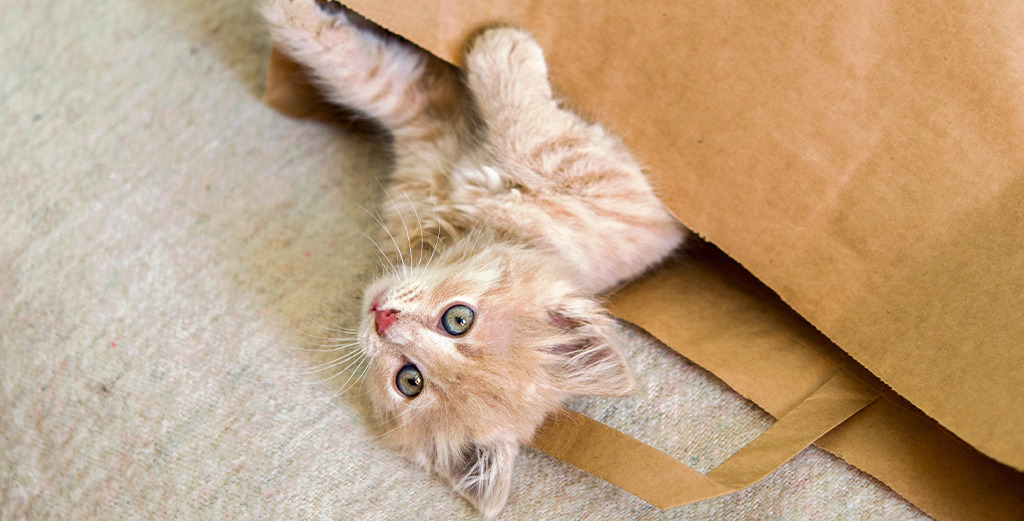
Provide other scratching options (paper bags, cardboard panels, scratching boards and posts, cat sisal), offer toys and interact with your cat regularly. If it chews excessively, it may have pent-up energy or be experiencing stress.
A cardboard box is much more than simple packaging for your cat — it is an essential tool for its comfort, stimulation and well-being. Offer it a safe, well-positioned box and let it explore, play and hide. You will notice a more relaxed and happier cat at any age. If you are interested in our packaging and would like more information, do not hesitate to contact us at +40 214.480.358 or [email protected]. With the help of the specialists at INATECH Packaging, you can find the perfect solution for your needs!